


Types
Brands
- Acura
- Afeela
- Alfa Romeo
- Alligator
- Apollo Automobil
- Aprilia
- Arch
- Arctic Cat
- Aston Martin
- Audi
- Bentley
- BMW
- Bollinger
- Boss Hoss
- Buell
- Bugatti
- Buick
- Cadillac
- CanAm
- Caterham
- Chevrolet
- Chrysler
- Citroen
- Cleveland CycleWerks
- Curtiss
- Dacia
- Dodge
- Ducati
- Ferrari
- Fiat
- Fisker
- Ford
- General Motors
- Genesis
- GMC
- Harley Davidson
- Honda
- Husqvarna
- Hyundai
- Indian
- Ineos
- Infiniti
- Jaguar
- Janus
- Jeep
- Karma
- Kawasaki
- Kia
- Koenigsegg
- KTM
- Lamborghini
- Land Rover
- Lexus
- Lightning
- Lincoln
- Lordstown
- Lotus
- Lucid Motors
- Maserati
- Mazda
- McLaren
- Mercedes
- Mercury
- MG
- Mini Cooper
- Mitsubishi
- Moto Guzzi
- MTT
- Nikola
- NIO
- Nissan
- Pagani
- Peugeot
- Piaggio
- Polaris
- Polestar
- Pontiac
- Porsche
- Ram
- Renault
- Rimac
- Rivian
- Rokon
- RollsRoyce
- Royal Enfield
- Saab
- Saturn
- Scion
- SEAT
- Ski-Doo
- Skoda
- Smart
- Spyker
- Subaru
- Suzuki
- Tesla
- Toyota
- Triumph
- Vauxhall
- Vespa
- VinFast
- Volkswagen
- Volvo
- Yamaha
- Z Electric Vehicle
- Zero Motorcycles
Article Categories
- Acura News
- Alfa Romeo News
- Aston Martin News
- Audi News
- Bentley News
- BMW News
- Buick News
- Cadillac News
- Car News
- Chevrolet News
- Chrysler News
- Dodge News
- Fiat News
- Ford News
- GMC News
- Honda News
- Hyundai News
- Infiniti News
- Jaguar News
- Jeep News
- Kia News
- Lexus News
- Lincoln News
- Mazda News
- Mercedes News
- Nissan News
- Porsche News
- Subaru News
- Tesla News
- Tips and Tricks
- Toyota News
- Volkswagen News
- Volvo News
More Articles
Why are carbon-ceramic brakes so expensive?
[BACK]
Posted On: April 17, 2022
Carbon-ceramic brakes can substantially improve performance, but they're also a lot more expensive than conventional brakes. This Engineering Explained video dives into why carbon-ceramic brakes are so expensive, and whether they're worth the extra cost.
Note that the video is sponsored by Brembo, a major manufacturer of both carbon-ceramic and conventional brakes, and the company's products serve as props for host Jason Fenske.
One factor in the high cost of carbon-ceramic brakes is materials. Conventional brake rotors are made from iron, which is a lot cheaper than carbon. Because carbon-ceramic rotors generally last longer than conventional rotors, they also get higher-grade fasteners, Fenske noted.
Carbon-ceramic brakes are also a lot more complicated to manufacture. The process takes three weeks, compared to about 90 minutes for a conventional iron rotor, according to Brembo. That's because the manufacturing process isn't fully mechanized, and requires some specialized equipment. Carbon ceramics are also a niche product for racing and high-end performance road cars, so they're sold in low volumes and can't take advantage of economies of scale.
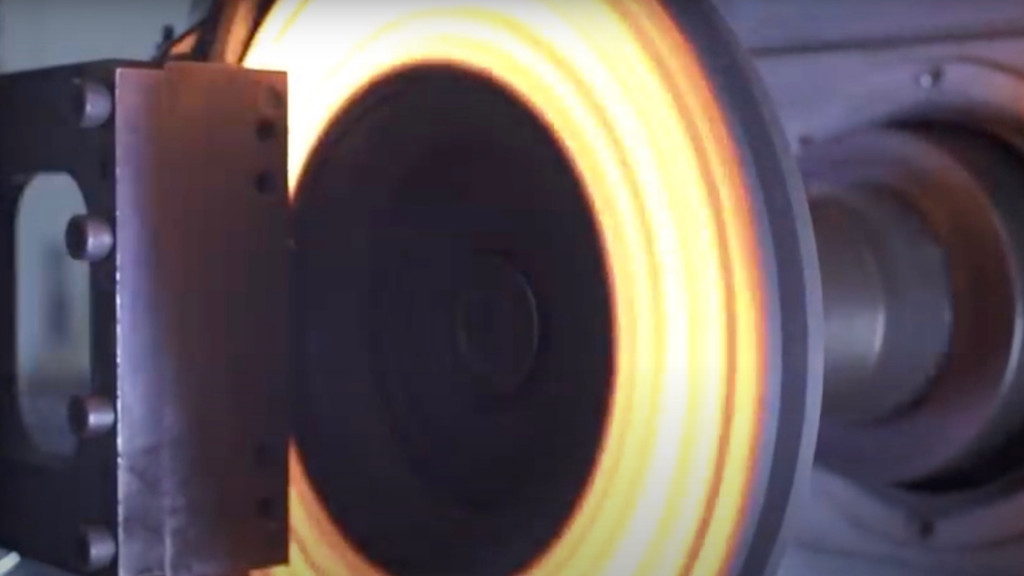
Carbon ceramic brakes (from Engineering Explained video)
Still, there are some reasons to spend the extra money on carbon-ceramic brakes. They massively reduce brake fade, for example, and weigh less than comparable iron rotors. The iron rotor shown in the video weighs 36.4 pounds while the carbon-ceramic rotor weighs just 16.5 pounds.
That lower weight can have major implications for performance because of where the brakes are located. The rotors spin with the wheel, so cutting their weight reduces rotational inertia, which can improve acceleration times. Reducing the weight of brake components also cuts unsprung mass—the mass not supported by the suspension—which can improve both grip and ride quality.
Carbon-ceramic rotors are also dimensionally stable, meaning they won't deform at high temperatures and cause brake judder. And because carbon-ceramic brakes have a longer lifespan, owners generally won't need to replace them during the life of a car, Fenske said. Carbon ceramics' lower wear rate also reduces brake dust, which can damage wheels and is a source of air pollution.
These advantages are why many automakers have made carbon-ceramic brakes original equipment on their performance models. They're not a universal solution, though. Ford didn't use carbon-ceramic rotors for the Mustang Shelby GT500, opting for very large conventional rotors instead, and Porsche has indicated that carbon-ceramic brakes aren't necessary for track use.
Reposted From Source: motorauthority.com
[BACK]
[BACK]Posted On: April 17, 2022
Carbon-ceramic brakes can substantially improve performance, but they're also a lot more expensive than conventional brakes. This Engineering Explained video dives into why carbon-ceramic brakes are so expensive, and whether they're worth the extra cost.
Note that the video is sponsored by Brembo, a major manufacturer of both carbon-ceramic and conventional brakes, and the company's products serve as props for host Jason Fenske.
One factor in the high cost of carbon-ceramic brakes is materials. Conventional brake rotors are made from iron, which is a lot cheaper than carbon. Because carbon-ceramic rotors generally last longer than conventional rotors, they also get higher-grade fasteners, Fenske noted.
Carbon-ceramic brakes are also a lot more complicated to manufacture. The process takes three weeks, compared to about 90 minutes for a conventional iron rotor, according to Brembo. That's because the manufacturing process isn't fully mechanized, and requires some specialized equipment. Carbon ceramics are also a niche product for racing and high-end performance road cars, so they're sold in low volumes and can't take advantage of economies of scale.
Carbon ceramic brakes (from Engineering Explained video)
Still, there are some reasons to spend the extra money on carbon-ceramic brakes. They massively reduce brake fade, for example, and weigh less than comparable iron rotors. The iron rotor shown in the video weighs 36.4 pounds while the carbon-ceramic rotor weighs just 16.5 pounds.
That lower weight can have major implications for performance because of where the brakes are located. The rotors spin with the wheel, so cutting their weight reduces rotational inertia, which can improve acceleration times. Reducing the weight of brake components also cuts unsprung mass—the mass not supported by the suspension—which can improve both grip and ride quality.
Carbon-ceramic rotors are also dimensionally stable, meaning they won't deform at high temperatures and cause brake judder. And because carbon-ceramic brakes have a longer lifespan, owners generally won't need to replace them during the life of a car, Fenske said. Carbon ceramics' lower wear rate also reduces brake dust, which can damage wheels and is a source of air pollution.
These advantages are why many automakers have made carbon-ceramic brakes original equipment on their performance models. They're not a universal solution, though. Ford didn't use carbon-ceramic rotors for the Mustang Shelby GT500, opting for very large conventional rotors instead, and Porsche has indicated that carbon-ceramic brakes aren't necessary for track use.
Reposted From Source: motorauthority.com
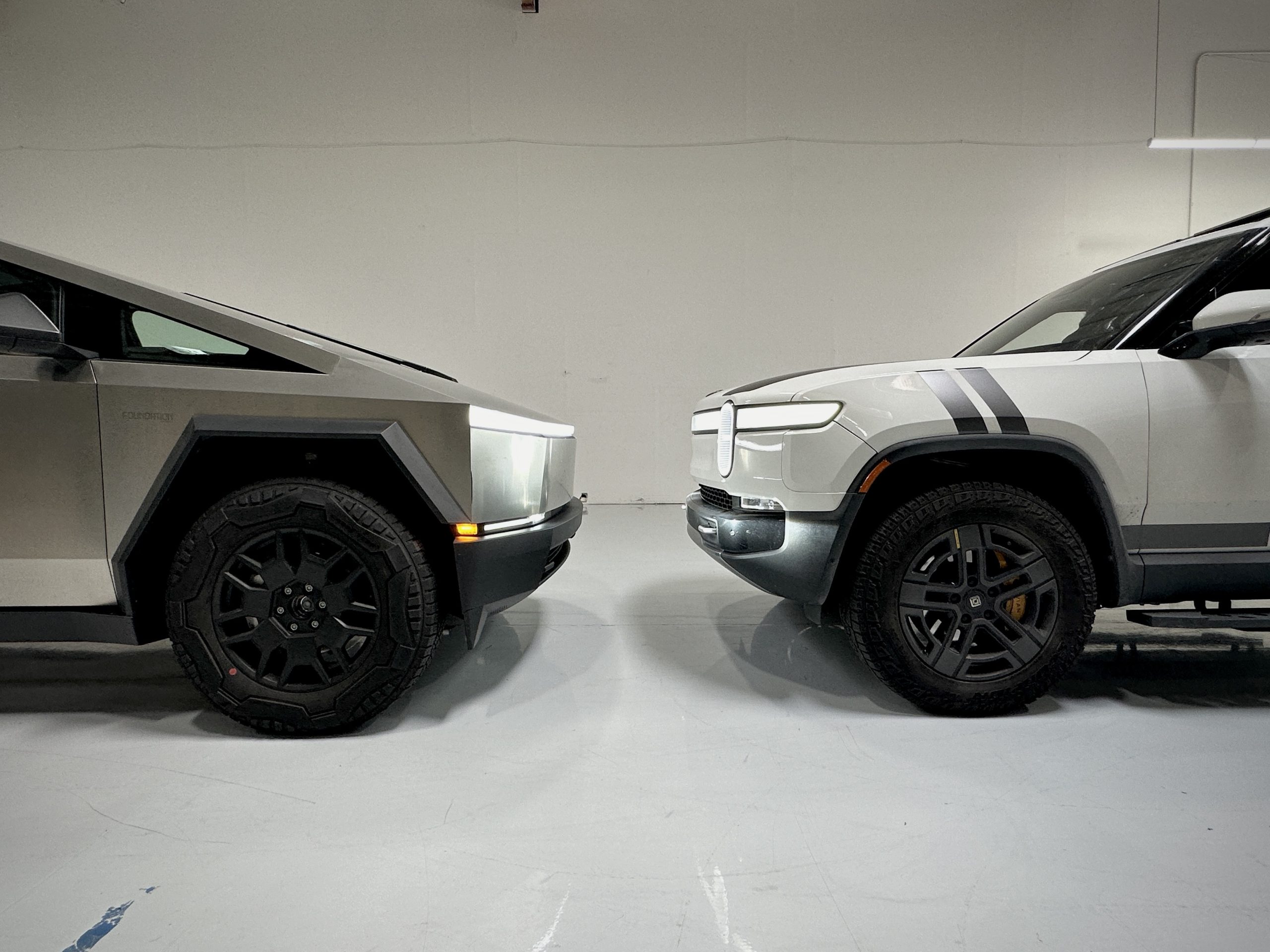
Rivian Intentionally Tries to be Different Than Tesla
Posted On: September 6, 2024
Rivian CEO RJ Scaringe knew his company would inevitably be compared to Tesla, and for good reason.
However, he detailed in a recent podcast appearance the one thing he did that was necessary to av...[More]Tesla FSD is Finally Live In China

Posted On: May 21, 2026
Tesla confirmed in a post on X that its Full Self-Driving (Supervised) driver assistance system is now available in China.
It's a major win for Tesla in the region, where local players have lon...[More]Number of EVs in the US up by 87.5 Percent since 2021

Posted On: September 27, 2022
The number of EVs in the U.S. has increased by 87.5% according to a report by Zutobi which published this year's version of the US Electric Vehicle Charging Point Report. The increase is up from t...[More]Tesla Supercharger Network in Australia now open to non-Tesla EVs

Posted On: January 31, 2023
Tesla has launched its non-Tesla Supercharger pilot program in Australia. With the program in place, owners of compatible electric vehicles can take advantage of Tesla’s well-received rapid char...[More]Tesla Exec Shares Unique Supercharger Team Rule
Posted On: May 2, 2025
Tesla Director of Charging for North America, Europe, Middle East, Africa, and Asia Pacific Max de Zegher recently shared some insights on a rather interesting rule that is being followed by the Super...[More]Elon Musk Reveals More Details About the Tesla Robovan
Posted On: July 9, 2022
Elon Musk Tweeted today about the Tesla Robovan and that Tesla should make a highly configurable Robovan for people & cargo. Let's go over what Electrified has to say about this now.
I thin...[More]Lucid CEO Thanks Tesla Team For Supercharger Access
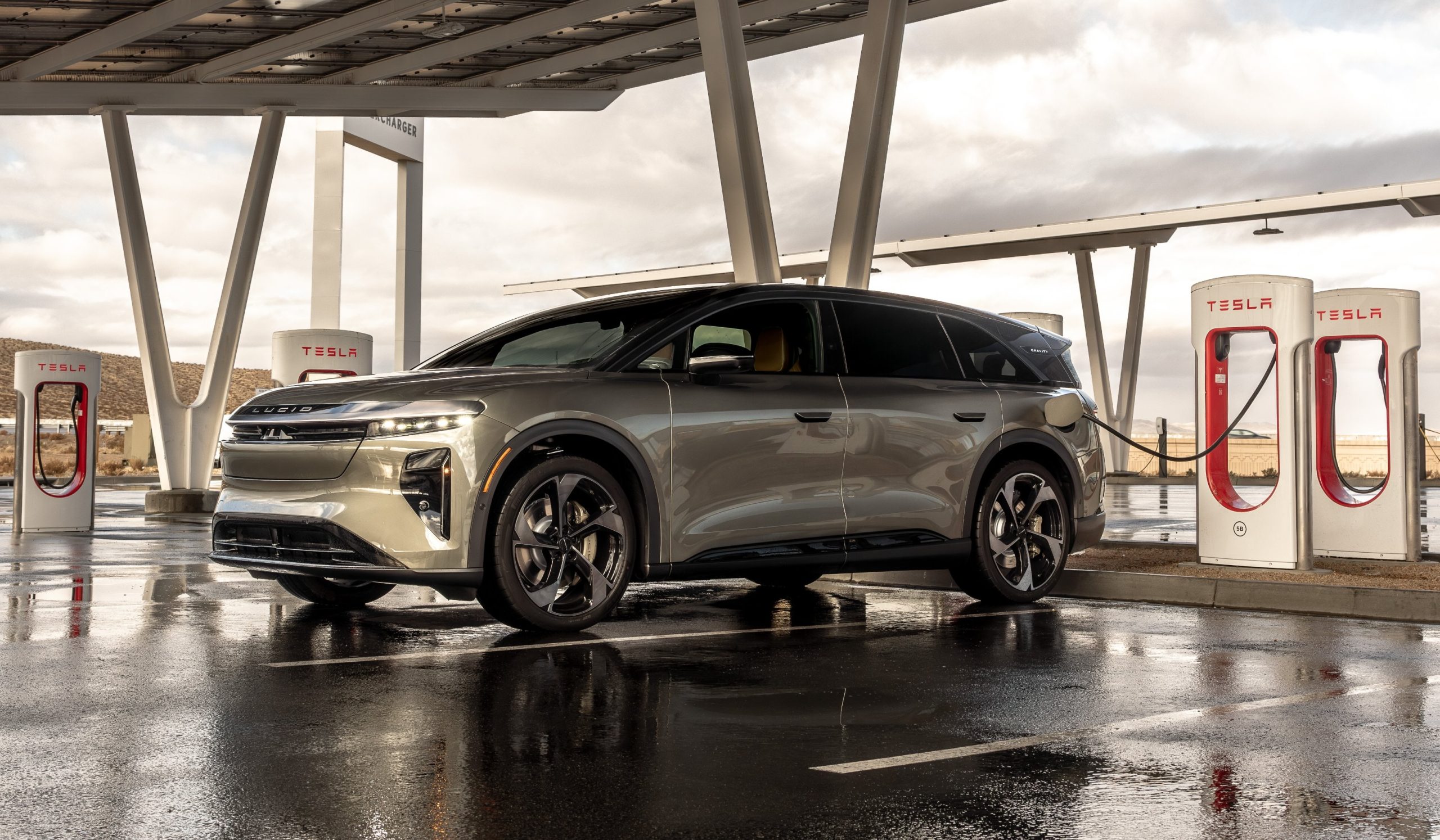
Posted On: February 1, 2025
While Lucid CEO and CTO Peter Rawlinson has been pretty critical of Tesla in the past, the executive does appear to be appreciative of the Lucid Gravity's recent access to Tesla Superchargers.
...[More]Volkswagen ID7 presales open for Pro package starting at $61479
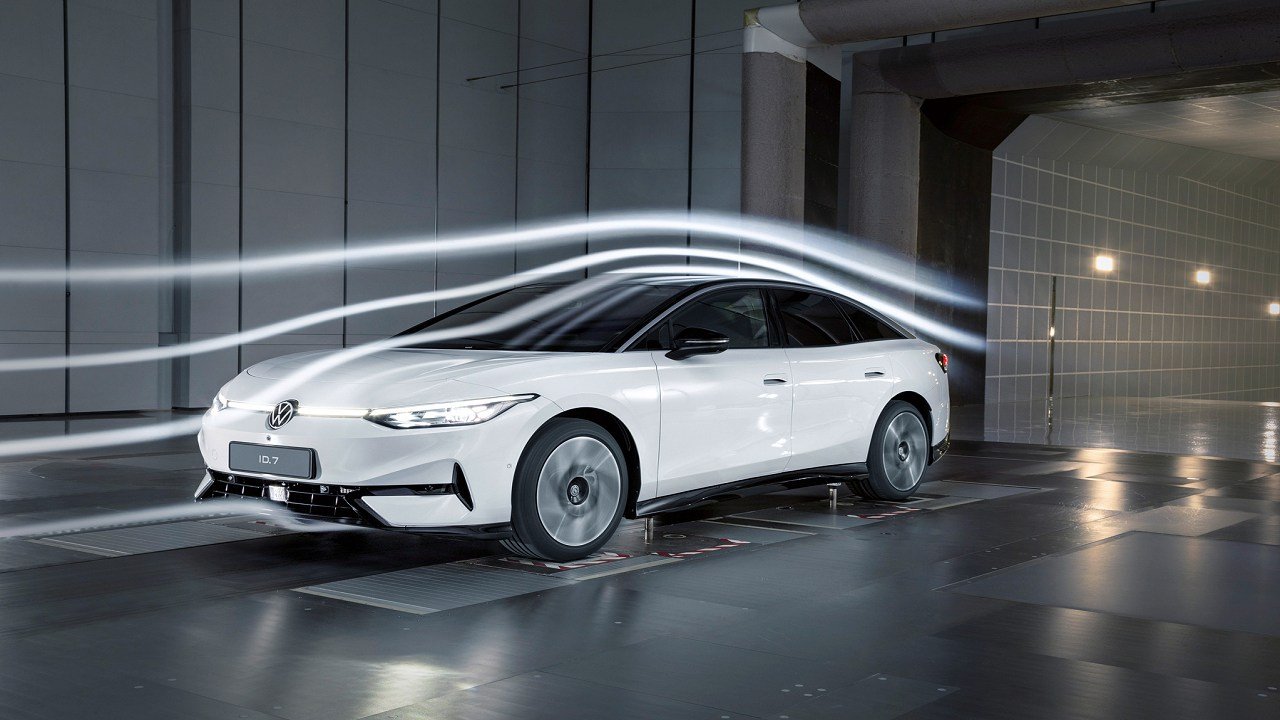
Posted On: August 25, 2023
The Volkswagen ID7 Pro package is available to preorder at a starting price of $61,479 (€56,995.
) The German automaker thinks the VW ID7 is one of the vehicles that could help it gain 10% mar...[More]Tesla Giga Berlin to Soon Prepare for Addition of Fourth Work Shift

Posted On: April 3, 2023
Tesla Giga Berlin is preparing for a more intensive increase in production. The factory will soon start preparing to expand its workforce to add a fourth work shift.Tesla production in Germany is grow...[More]Tesla Order Configurator Revealed for Foundation Series Cybertruck
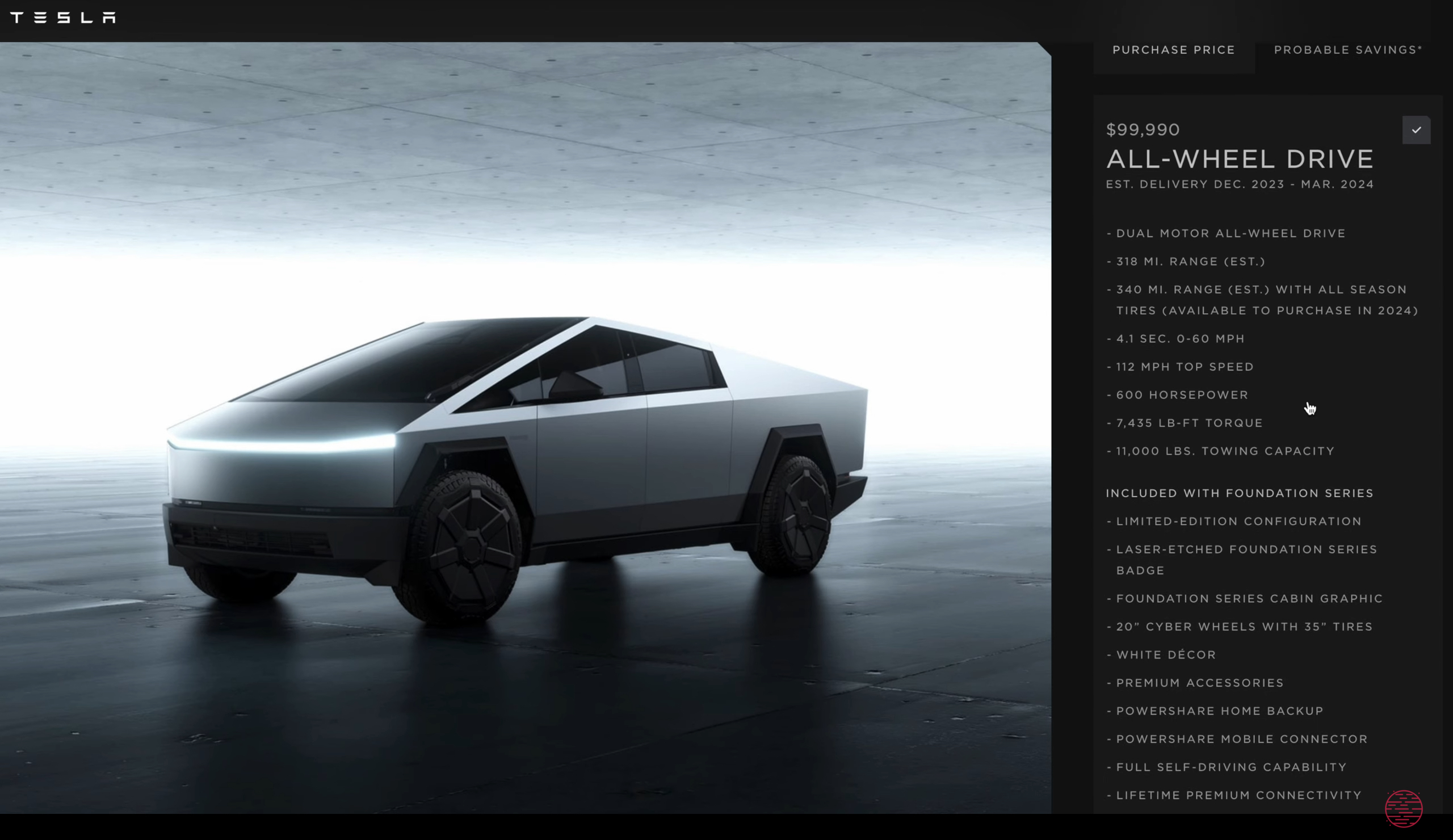
Posted On: December 9, 2023
Tesla's order configurator for the limited launch edition "Foundation Series" Cybertruck has been revealed, as shared in a video over the weekend.
After invites to order the Foundatio...[More]