
Types
Brands
- Acura
- Afeela
- Alfa Romeo
- Alligator
- Apollo Automobil
- Aprilia
- Arch
- Arctic Cat
- Aston Martin
- Audi
- Bentley
- BMW
- Bollinger
- Boss Hoss
- Buell
- Bugatti
- Buick
- Cadillac
- CanAm
- Caterham
- Chevrolet
- Chrysler
- Citroen
- Cleveland CycleWerks
- Curtiss
- Dacia
- Dodge
- Ducati
- Ferrari
- Fiat
- Fisker
- Ford
- General Motors
- Genesis
- GMC
- Harley Davidson
- Honda
- Husqvarna
- Hyundai
- Indian
- Ineos
- Infiniti
- Jaguar
- Janus
- Jeep
- Karma
- Kawasaki
- Kia
- Koenigsegg
- KTM
- Lamborghini
- Land Rover
- Lexus
- Lightning
- Lincoln
- Lordstown
- Lotus
- Lucid Motors
- Maserati
- Mazda
- McLaren
- Mercedes
- Mercury
- MG
- Mini Cooper
- Mitsubishi
- Moto Guzzi
- MTT
- Nikola
- NIO
- Nissan
- Pagani
- Peugeot
- Piaggio
- Polaris
- Polestar
- Pontiac
- Porsche
- Ram
- Renault
- Rimac
- Rivian
- Rokon
- RollsRoyce
- Royal Enfield
- Saab
- Saturn
- Scion
- SEAT
- Ski-Doo
- Skoda
- Smart
- Spyker
- Subaru
- Suzuki
- Tesla
- Toyota
- Triumph
- Vauxhall
- Vespa
- VinFast
- Volkswagen
- Volvo
- Yamaha
- Z Electric Vehicle
- Zero Motorcycles
Article Categories
- Acura News
- Alfa Romeo News
- Aston Martin News
- Audi News
- Bentley News
- BMW News
- Buick News
- Cadillac News
- Car News
- Chevrolet News
- Chrysler News
- Dodge News
- Fiat News
- Ford News
- GMC News
- Honda News
- Hyundai News
- Infiniti News
- Jaguar News
- Jeep News
- Kia News
- Lexus News
- Lincoln News
- Mazda News
- Mercedes News
- Nissan News
- Porsche News
- Subaru News
- Tesla News
- Tips and Tricks
- Toyota News
- Volkswagen News
- Volvo News
More Articles
Is the C4V Battery a Game Changer
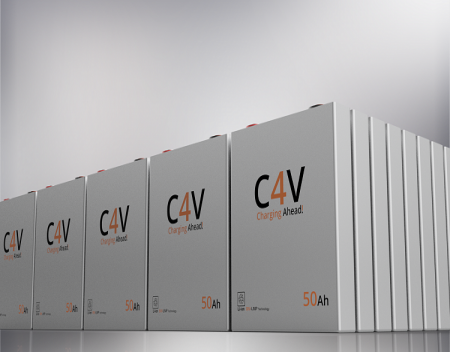
The race to find the perfect match in battery chemistry has led university teams and private companies around the world, including Tesla, obviously, to research multiple possible pathways. One of those companies, "C,4,V,", just introduced an interesting alternative to Lithium-Iron batteries, with L,F,P, properties but way more efficient.
It is basically a type of structural cell in prismatic format, capable of adapting to different shapes and sizes depending on the application: it can be used in cars, motorcycles, and even electric planes, thanks to its high energy density, specific power, and high thermal stability.
"LiSER: a revolutionary advancement in Li-ion battery technology", as they state on their website, comes with the industry's first structural prismatic cell design, with a refrigeration circuit to facilitate operations over a wide range of temperature scenarios: from -40 to +194 F ( -40° to +90° Celsius), something that provides greater efficiency at low temperatures, but also compatibility with ultra-fast recharging. The modules come with a solid structural design that allows for a high level of mechanical stability. Design modularity allows the manufacturer to meet the needs of the market in both small-sized applications, k.W.h., and large installations, M.w.h; with the additional advantage of operating without any danger of losses in power or energy density.
Source: Summarized from Nicolas Caballero at torquenews.
My Take: Sounds promising. Can they take it from the lab to mass production? That is the tricky part.
The race to find the perfect match in battery chemistry has led university teams and private companies around the world, including Tesla, obviously, to research multiple possible pathways. One of those companies, "C,4,V,", just introduced an interesting alternative to Lithium-Iron batteries, with L,F,P, properties but way more efficient.
It is basically a type of structural cell in prismatic format, capable of adapting to different shapes and sizes depending on the application: it can be used in cars, motorcycles, and even electric planes, thanks to its high energy density, specific power, and high thermal stability.
"LiSER: a revolutionary advancement in Li-ion battery technology", as they state on their website, comes with the industry's first structural prismatic cell design, with a refrigeration circuit to facilitate operations over a wide range of temperature scenarios: from -40 to +194 F ( -40° to +90° Celsius), something that provides greater efficiency at low temperatures, but also compatibility with ultra-fast recharging. The modules come with a solid structural design that allows for a high level of mechanical stability. Design modularity allows the manufacturer to meet the needs of the market in both small-sized applications, k.W.h., and large installations, M.w.h; with the additional advantage of operating without any danger of losses in power or energy density.
Source: Summarized from Nicolas Caballero at torquenews.
My Take: Sounds promising. Can they take it from the lab to mass production? That is the tricky part.
Tesla To Have a Few More Vehicles Released Soon
Is Giga Texas Starting To Deliver Cars
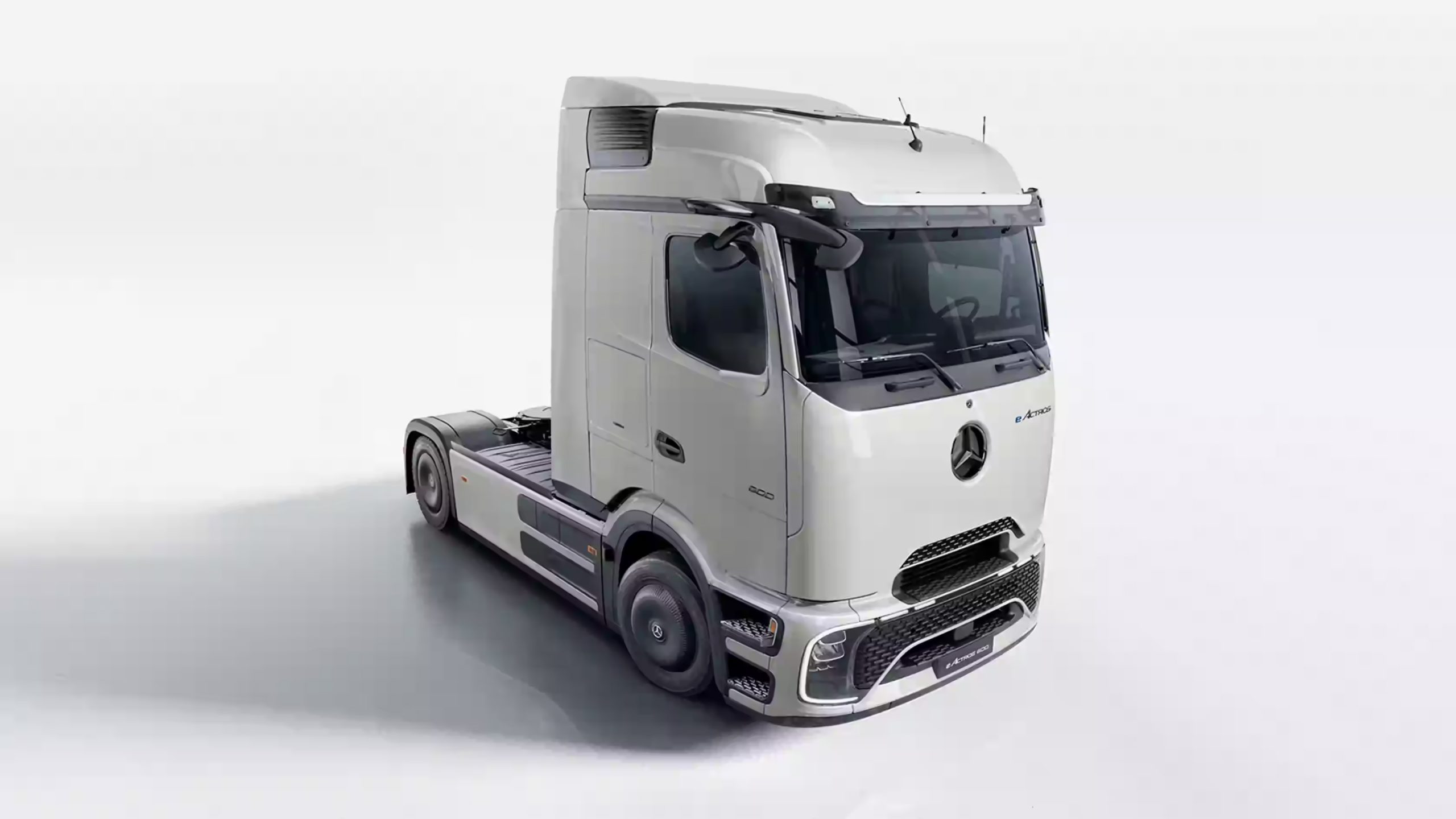
Mercedes Unveils Tesla Semi Rival eActros 600 with 311-Mile Range
Tesla Roadster Missing From Master Plan Part 3 Should Fans Worry?
Ford Will Supply E-Transit Vans to the U-S Postal Service
Owners host largest Tesla light show yet in Germany

Tesla begins domestic delivery of new Giga Shanghai-built Model Y
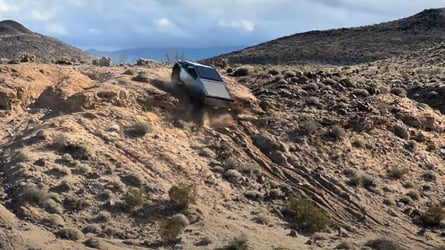
Watch The Tesla Cybertruck Take On A Challenging Hill Climb And Descent
Tesla Adjusts Crucial Feature As Winter Weather Arrives
2023 Chevrolet Silverado 1500 ZR2 Bison teaser previews more serious off-roader