

Types
Brands
- Acura
- Afeela
- Alfa Romeo
- Alligator
- Apollo Automobil
- Aprilia
- Arch
- Arctic Cat
- Aston Martin
- Audi
- Bentley
- BMW
- Bollinger
- Boss Hoss
- Buell
- Bugatti
- Buick
- Cadillac
- CanAm
- Caterham
- Chevrolet
- Chrysler
- Citroen
- Cleveland CycleWerks
- Curtiss
- Dacia
- Dodge
- Ducati
- Ferrari
- Fiat
- Fisker
- Ford
- General Motors
- Genesis
- GMC
- Harley Davidson
- Honda
- Husqvarna
- Hyundai
- Indian
- Ineos
- Infiniti
- Jaguar
- Janus
- Jeep
- Karma
- Kawasaki
- Kia
- Koenigsegg
- KTM
- Lamborghini
- Land Rover
- Lexus
- Lightning
- Lincoln
- Lordstown
- Lotus
- Lucid Motors
- Maserati
- Mazda
- McLaren
- Mercedes
- Mercury
- MG
- Mini Cooper
- Mitsubishi
- Moto Guzzi
- MTT
- Nikola
- NIO
- Nissan
- Pagani
- Peugeot
- Piaggio
- Polaris
- Polestar
- Pontiac
- Porsche
- Ram
- Renault
- Rimac
- Rivian
- Rokon
- RollsRoyce
- Royal Enfield
- Saab
- Saturn
- Scion
- SEAT
- Ski-Doo
- Skoda
- Smart
- Spyker
- Subaru
- Suzuki
- Tesla
- Toyota
- Triumph
- Vauxhall
- Vespa
- VinFast
- Volkswagen
- Volvo
- Yamaha
- Z Electric Vehicle
- Zero Motorcycles
Article Categories
- Acura News
- Alfa Romeo News
- Aston Martin News
- Audi News
- Bentley News
- BMW News
- Buick News
- Cadillac News
- Car News
- Chevrolet News
- Chrysler News
- Dodge News
- Fiat News
- Ford News
- GMC News
- Honda News
- Hyundai News
- Infiniti News
- Jaguar News
- Jeep News
- Kia News
- Lexus News
- Lincoln News
- Mazda News
- Mercedes News
- Nissan News
- Porsche News
- Subaru News
- Tesla News
- Tips and Tricks
- Toyota News
- Volkswagen News
- Volvo News
More Articles
How do I identify and fix a car exhaust leak?
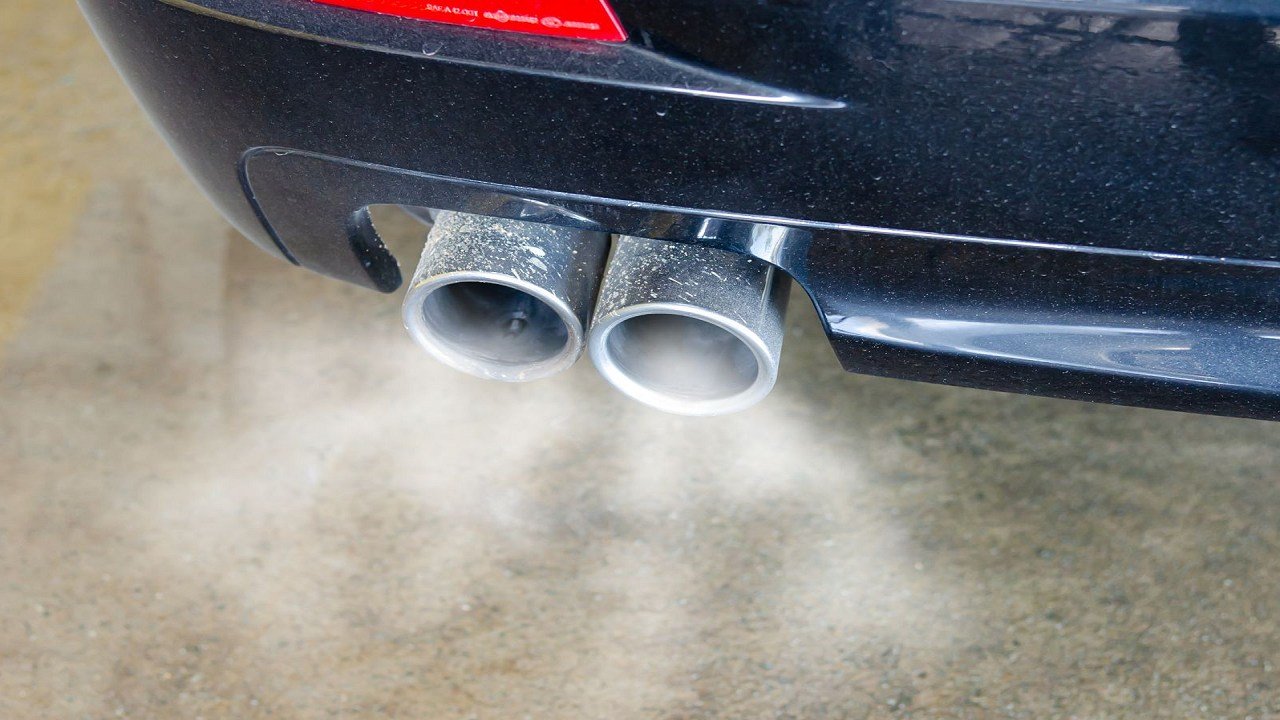
Identifying and fixing a car exhaust leak is important for both vehicle performance and safety. Here's a step-by-step guide to help you identify and address a car exhaust leak:
Identifying an Exhaust Leak:
Listen for Unusual Noises:
Pay attention to any unusual noises coming from the engine or underneath the vehicle. A leak might produce a hissing, popping, or loud rumbling sound.
Check for Strong Exhaust Odor:
If you notice a strong smell of exhaust fumes inside or outside the vehicle, it could indicate a leak.
Inspect Under the Car:
Visually inspect the exhaust system underneath the car for signs of damage, rust, or soot accumulation.
Feel for Air Pressure:
Place your hand near the joints and connections of the exhaust system while the engine is running. If you feel air pressure or hear a hissing noise, it could indicate a leak.
Fixing an Exhaust Leak:
Safety Precautions:
Ensure the vehicle is parked on a flat surface with the parking brake engaged. Wear protective gloves and safety goggles.
Locate the Leak:
Use a flashlight to carefully inspect the exhaust system for visible holes, cracks, or loose connections.
Tighten Loose Connections:
If the leak is caused by loose clamps or connections, use a wrench to tighten them securely.
Patch Small Holes:
For small holes, you can use exhaust repair tape, epoxy, or a high-temperature silicone sealant. Follow the manufacturer's instructions for application.
Replace Damaged Parts:
If you identify larger holes, cracks, or severely corroded sections, it's best to replace the damaged parts. This may involve replacing sections of the exhaust pipe, muffler, or catalytic converter.
Check Gaskets and Seals:
Inspect gaskets and seals for damage and replace if necessary. These components play a crucial role in preventing leaks.
Professional Repair:
If the leak is extensive or you're unsure about the repair process, it's recommended to seek the help of a professional mechanic. They can accurately diagnose the issue and perform the necessary repairs.
Test the Repairs:
After making the repairs, start the engine and listen for any unusual noises or odors. Check for leaks by feeling for air pressure around joints and connections.
Regular Maintenance:
To prevent future exhaust leaks, perform regular maintenance on your vehicle, including checking the exhaust system for signs of wear and rust.
Remember that exhaust leaks can release harmful gases, such as carbon monoxide, which can be dangerous. If you're uncertain about repairing the exhaust leak yourself, it's safer to have a qualified mechanic inspect and repair your vehicle.
Identifying and fixing a car exhaust leak is important for both vehicle performance and safety. Here's a step-by-step guide to help you identify and address a car exhaust leak:
Identifying an Exhaust Leak:
Listen for Unusual Noises:
Pay attention to any unusual noises coming from the engine or underneath the vehicle. A leak might produce a hissing, popping, or loud rumbling sound.
Check for Strong Exhaust Odor:
If you notice a strong smell of exhaust fumes inside or outside the vehicle, it could indicate a leak.
Inspect Under the Car:
Visually inspect the exhaust system underneath the car for signs of damage, rust, or soot accumulation.
Feel for Air Pressure:
Place your hand near the joints and connections of the exhaust system while the engine is running. If you feel air pressure or hear a hissing noise, it could indicate a leak.
Fixing an Exhaust Leak:
Safety Precautions:
Ensure the vehicle is parked on a flat surface with the parking brake engaged. Wear protective gloves and safety goggles.
Locate the Leak:
Use a flashlight to carefully inspect the exhaust system for visible holes, cracks, or loose connections.
Tighten Loose Connections:
If the leak is caused by loose clamps or connections, use a wrench to tighten them securely.
Patch Small Holes:
For small holes, you can use exhaust repair tape, epoxy, or a high-temperature silicone sealant. Follow the manufacturer's instructions for application.
Replace Damaged Parts:
If you identify larger holes, cracks, or severely corroded sections, it's best to replace the damaged parts. This may involve replacing sections of the exhaust pipe, muffler, or catalytic converter.
Check Gaskets and Seals:
Inspect gaskets and seals for damage and replace if necessary. These components play a crucial role in preventing leaks.
Professional Repair:
If the leak is extensive or you're unsure about the repair process, it's recommended to seek the help of a professional mechanic. They can accurately diagnose the issue and perform the necessary repairs.
Test the Repairs:
After making the repairs, start the engine and listen for any unusual noises or odors. Check for leaks by feeling for air pressure around joints and connections.
Regular Maintenance:
To prevent future exhaust leaks, perform regular maintenance on your vehicle, including checking the exhaust system for signs of wear and rust.
Remember that exhaust leaks can release harmful gases, such as carbon monoxide, which can be dangerous. If you're uncertain about repairing the exhaust leak yourself, it's safer to have a qualified mechanic inspect and repair your vehicle.
Elon Musk shares update for Tesla FSD V12 release

First Tesla V4 Supercharger in the US goes live

Your Tesla Can Now Warn You If You Are Drowsy Behind The Wheel

Americans Cant Get Enough Of Kias EVs

Tesla-Certified Repair Shop Turns Away Cars

Tesla Investor Day to lay base for green tidal wave but expectations are big

PepsiCo Increases Number of Megachargers for its Tesla Semi Fleet

Tesla Just Made Camping Harder With One Simple Move

Anaheim Police to Deploy Tesla Model Y Cruisers