
Types
Brands
- Acura
- Afeela
- Alfa Romeo
- Alligator
- Apollo Automobil
- Aprilia
- Arch
- Arctic Cat
- Aston Martin
- Audi
- Bentley
- BMW
- Bollinger
- Boss Hoss
- Buell
- Bugatti
- Buick
- Cadillac
- CanAm
- Caterham
- Chevrolet
- Chrysler
- Citroen
- Cleveland CycleWerks
- Curtiss
- Dacia
- Dodge
- Ducati
- Ferrari
- Fiat
- Fisker
- Ford
- General Motors
- Genesis
- GMC
- Harley Davidson
- Honda
- Husqvarna
- Hyundai
- Indian
- Ineos
- Infiniti
- Jaguar
- Janus
- Jeep
- Karma
- Kawasaki
- Kia
- Koenigsegg
- KTM
- Lamborghini
- Land Rover
- Lexus
- Lightning
- Lincoln
- Lordstown
- Lotus
- Lucid Motors
- Maserati
- Mazda
- McLaren
- Mercedes
- Mercury
- MG
- Mini Cooper
- Mitsubishi
- Moto Guzzi
- MTT
- Nikola
- NIO
- Nissan
- Pagani
- Peugeot
- Piaggio
- Polaris
- Polestar
- Pontiac
- Porsche
- Ram
- Renault
- Rimac
- Rivian
- Rokon
- RollsRoyce
- Royal Enfield
- Saab
- Saturn
- Scion
- SEAT
- Ski-Doo
- Skoda
- Smart
- Spyker
- Subaru
- Suzuki
- Tesla
- Toyota
- Triumph
- Vauxhall
- Vespa
- VinFast
- Volkswagen
- Volvo
- Yamaha
- Z Electric Vehicle
- Zero Motorcycles
Article Categories
- Acura News
- Alfa Romeo News
- Aston Martin News
- Audi News
- Bentley News
- BMW News
- Buick News
- Cadillac News
- Car News
- Chevrolet News
- Chrysler News
- Dodge News
- Fiat News
- Ford News
- GMC News
- Honda News
- Hyundai News
- Infiniti News
- Jaguar News
- Jeep News
- Kia News
- Lexus News
- Lincoln News
- Mazda News
- Mercedes News
- Nissan News
- Porsche News
- Subaru News
- Tesla News
- Tips and Tricks
- Toyota News
- Volkswagen News
- Volvo News
More Articles
Why Are My Tires Blowing Out
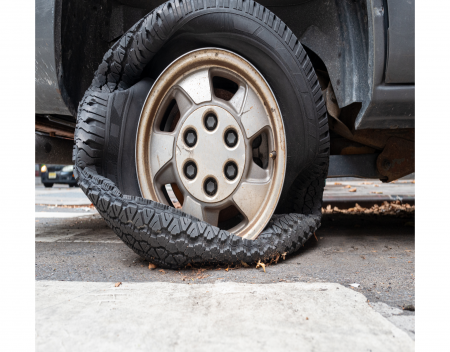
Have you ever experienced a loud boom followed by a sudden loss of control while driving in your car? It’s not fun. Tire blowouts are inconvenient, but they could very well put you and your passengers at risk. What if you don’t have a spare tire? What if you don’t even know how to change a tire? Today we’ll be discussing a few easy ways that you can avoid a tire blowout.
Potholes and Road Hazards
One of the most likely culprits to a punctured tire is a road damaged with potholes, large debris, or other sharp objects. The impact pinches the tire’s internals between the wheel and obstacle. If you’re really unlucky, the pothole will cut straight through the fabric and rubber, causing your tire to die right then and there. Even if this doesn’t cause them to blow right away, you can never tell when they will. Drive slower if the road looks hazardous, and if you simply can’t avoid driving over these obstacles, release the brake pedal so your tire will rotate, causing the impact to be less destructive.
Manufacturing Defects
Manufacturing defects are another common cause of tire blowout cases. While it may look fine to an untrained eye on the outside, there could be something wrong inside that will eventually separate its rubber and metal parts. Tires can easily blow because they weren’t installed correctly in the first place. Don’t try to change them on your own. Schedule regular maintenance with licensed technicians to ensure your tires have been installed properly.
Underinflated
Do you have any idea how much air should be in your tires? This amount should be displayed on a sticker near the door frame on the driver’s side of your vehicle. Even if it isn’t punctured, it could still be losing air. If a tire doesn’t have enough air pressure inside it, it stretches and damages the rubber, causing a tire blowout. Have your tires regularly checked, and keep in mind that overinflating them isn’t any better, as this could also lead to a blowout.
Overloading
Overloading your vehicle can damage your tires, especially if they’re underinflated. Before travelling anywhere with a loaded vehicle, be sure to check your car’s Gross Vehicular Weight Rating, which is on the same placard as the recommended tire pressure. The number molded into the tire tells you the maximum amount of weight the tire can carry if it’s inflated to that maximum pressure. Don’t go over this limit, otherwise, you’re rolling the dice.
Have you ever experienced a loud boom followed by a sudden loss of control while driving in your car? It’s not fun. Tire blowouts are inconvenient, but they could very well put you and your passengers at risk. What if you don’t have a spare tire? What if you don’t even know how to change a tire? Today we’ll be discussing a few easy ways that you can avoid a tire blowout.
Potholes and Road Hazards
One of the most likely culprits to a punctured tire is a road damaged with potholes, large debris, or other sharp objects. The impact pinches the tire’s internals between the wheel and obstacle. If you’re really unlucky, the pothole will cut straight through the fabric and rubber, causing your tire to die right then and there. Even if this doesn’t cause them to blow right away, you can never tell when they will. Drive slower if the road looks hazardous, and if you simply can’t avoid driving over these obstacles, release the brake pedal so your tire will rotate, causing the impact to be less destructive.
Manufacturing Defects
Manufacturing defects are another common cause of tire blowout cases. While it may look fine to an untrained eye on the outside, there could be something wrong inside that will eventually separate its rubber and metal parts. Tires can easily blow because they weren’t installed correctly in the first place. Don’t try to change them on your own. Schedule regular maintenance with licensed technicians to ensure your tires have been installed properly.
Underinflated
Do you have any idea how much air should be in your tires? This amount should be displayed on a sticker near the door frame on the driver’s side of your vehicle. Even if it isn’t punctured, it could still be losing air. If a tire doesn’t have enough air pressure inside it, it stretches and damages the rubber, causing a tire blowout. Have your tires regularly checked, and keep in mind that overinflating them isn’t any better, as this could also lead to a blowout.
Overloading
Overloading your vehicle can damage your tires, especially if they’re underinflated. Before travelling anywhere with a loaded vehicle, be sure to check your car’s Gross Vehicular Weight Rating, which is on the same placard as the recommended tire pressure. The number molded into the tire tells you the maximum amount of weight the tire can carry if it’s inflated to that maximum pressure. Don’t go over this limit, otherwise, you’re rolling the dice.
2023 Ford F-150 Lightning brings slightly more range for lots more money
Tesla Loses Fleet Customer Over Trump
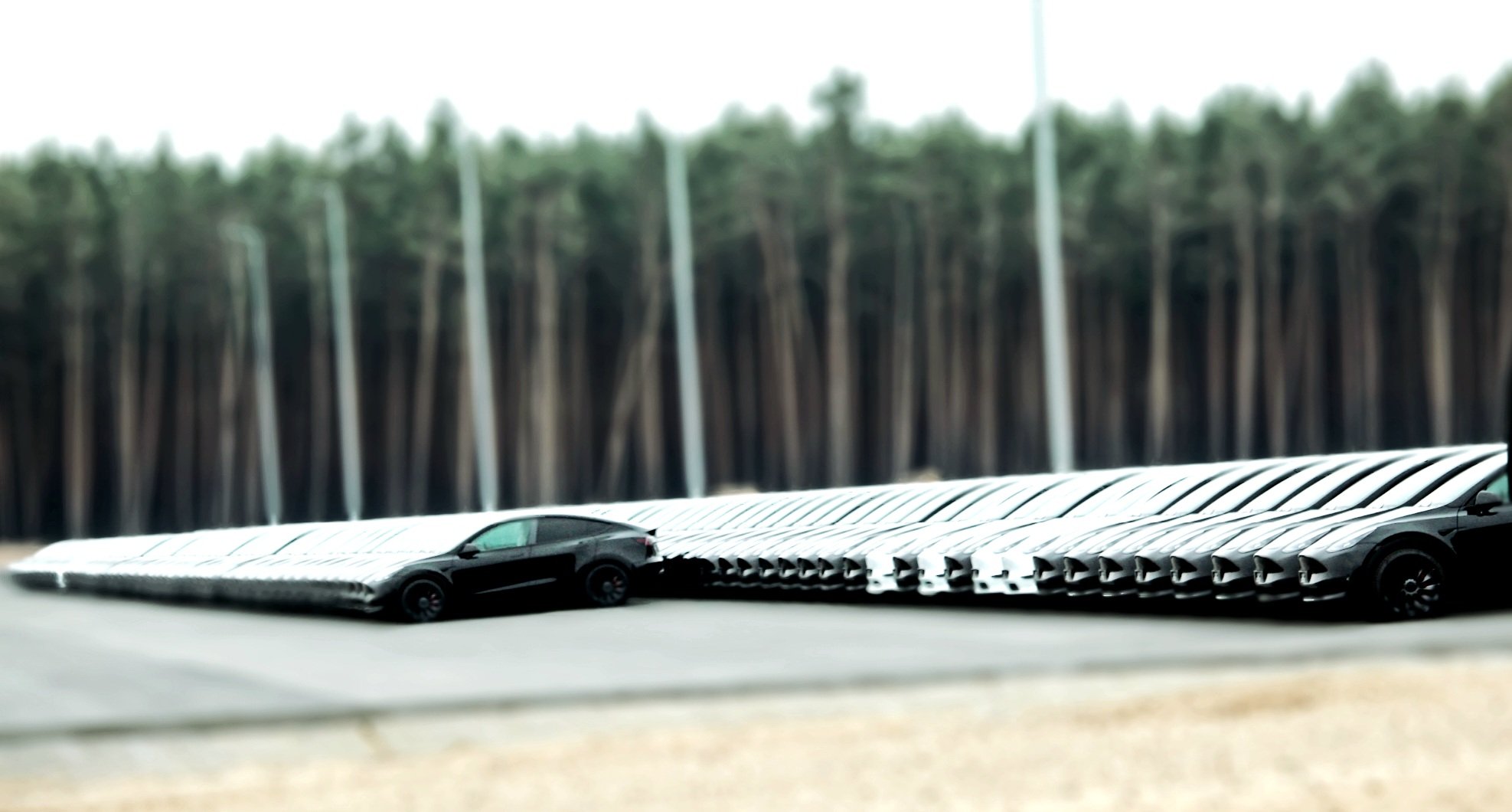
Best Factory Off-Roaders For Different Disciplines
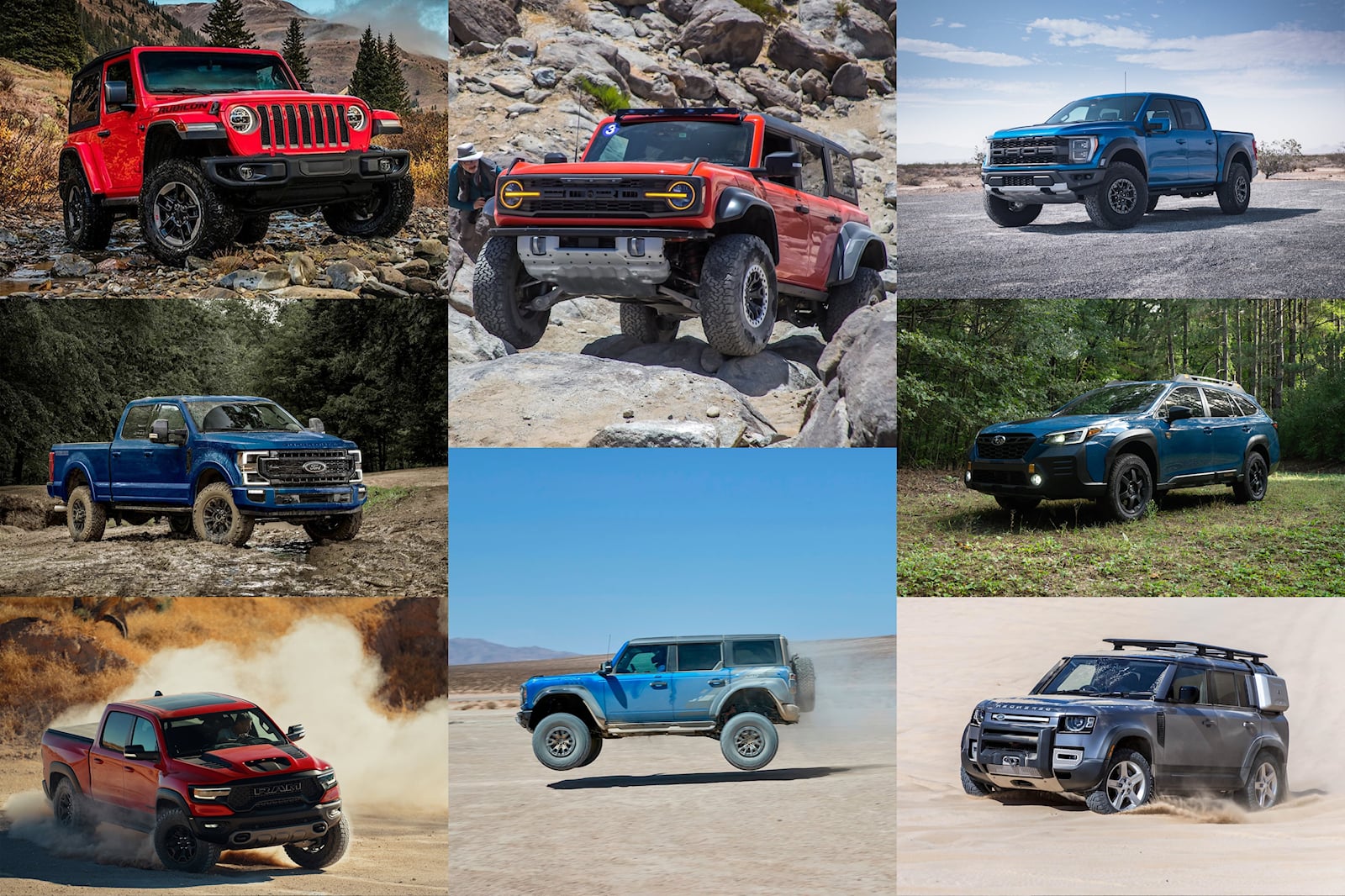
U-S offers the big bucks to encourage OEMs to retool factories for EVs
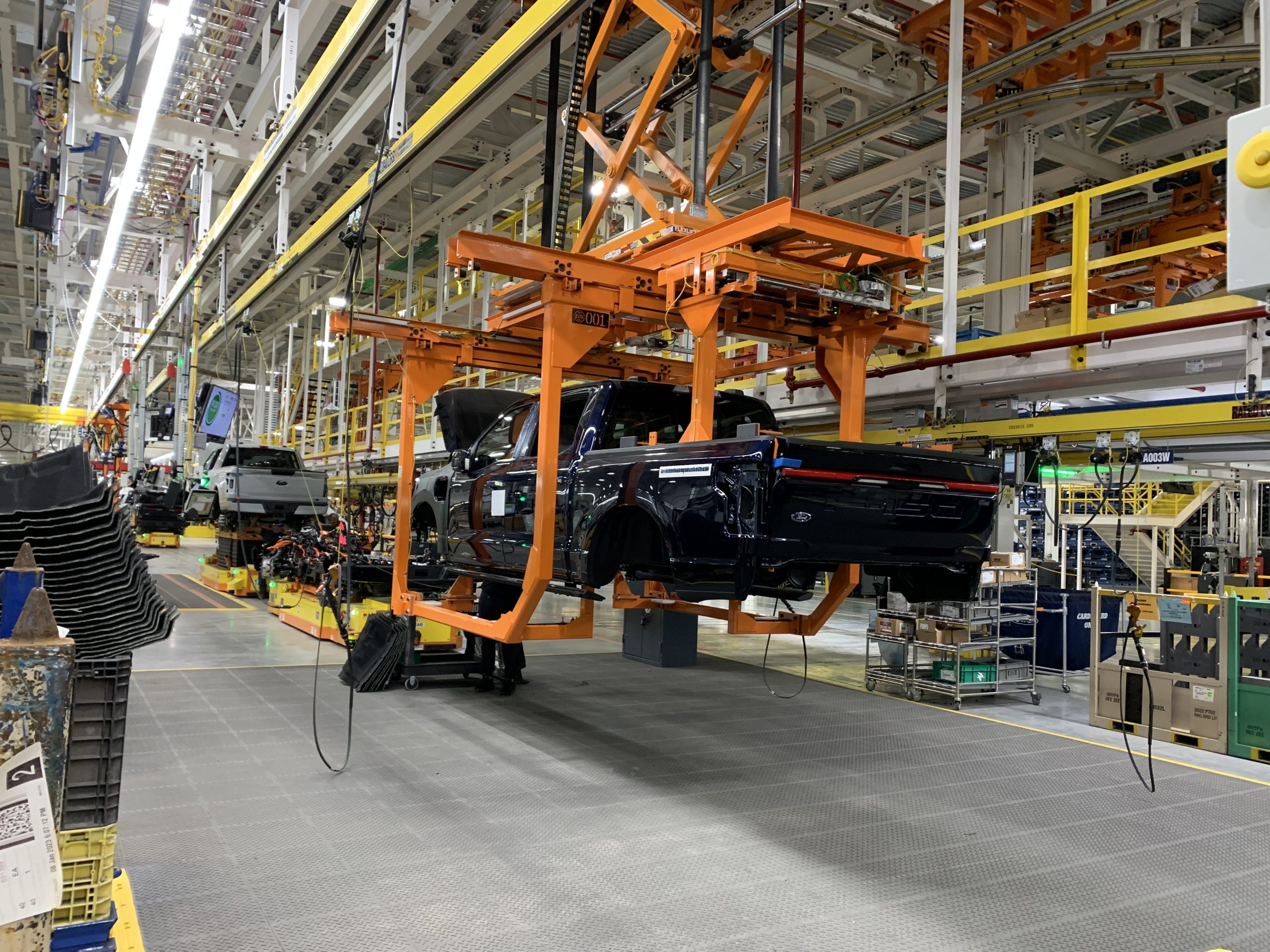
Tesla Focuses on Getting FSD for HW3 Working Super Well
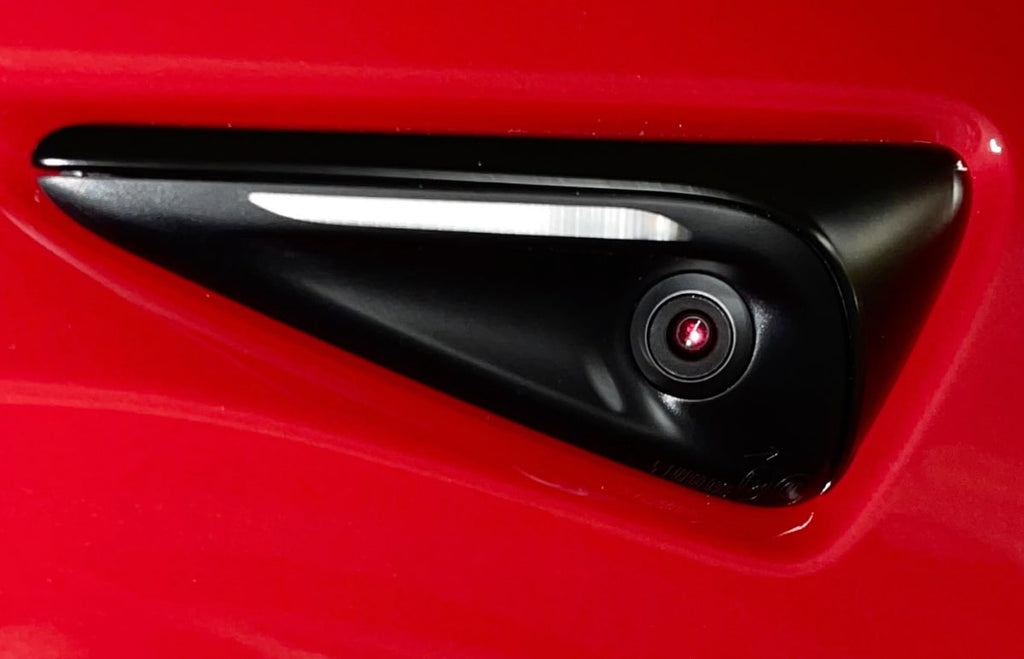
Tesla Selling Display and Test Drive Units Due to High Demand

Tesla to Invest 5 Billion in x-AI

Tesla Upgrades Model 3 and Model Y in China
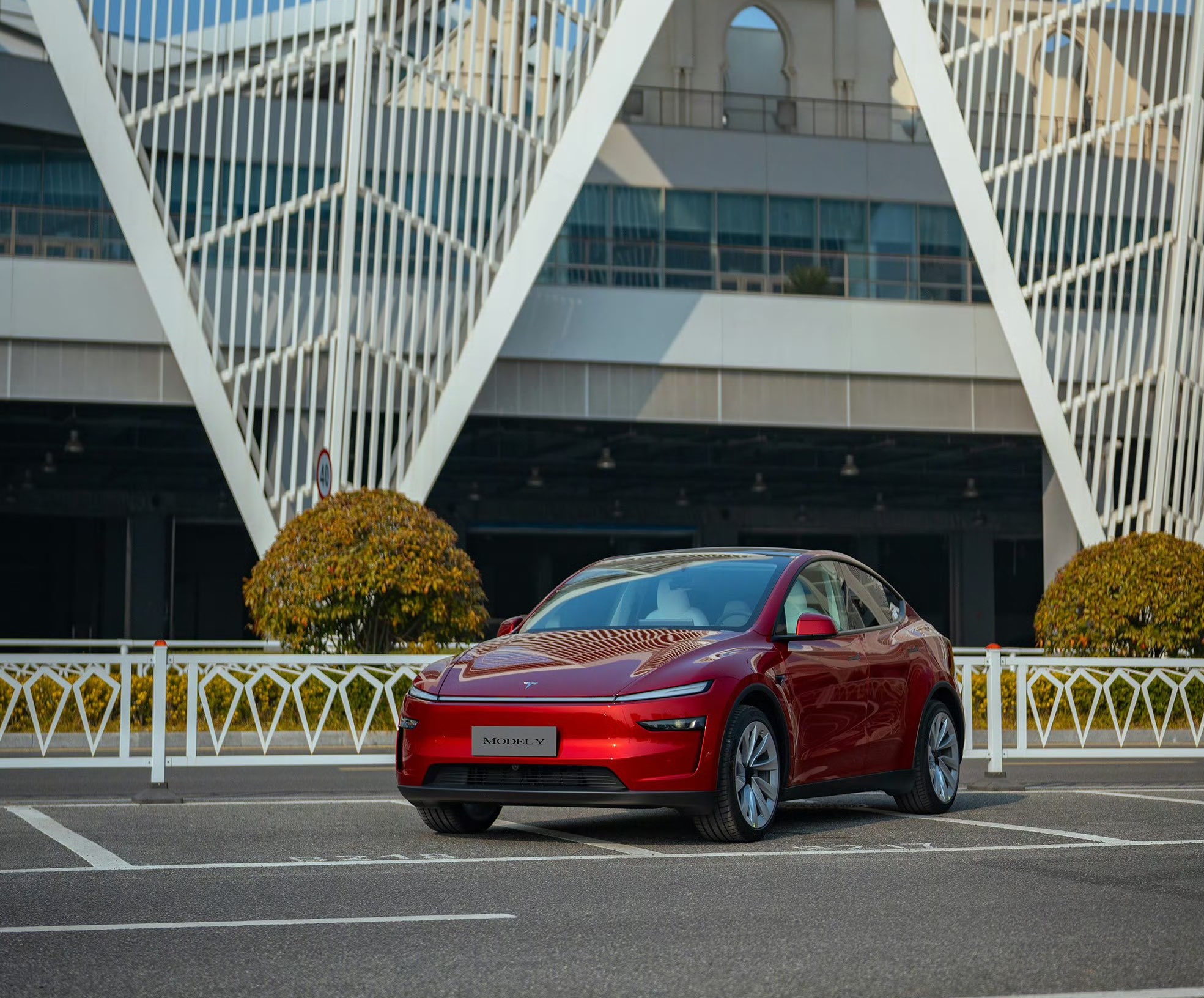
Tesla Registers Insurance Business in China

Deep dive: How Koenigsegg reinvented the manual transmission for the CC850