
Types
Brands
- Acura
- Afeela
- Alfa Romeo
- Alligator
- Apollo Automobil
- Aprilia
- Arch
- Arctic Cat
- Aston Martin
- Audi
- Bentley
- BMW
- Bollinger
- Boss Hoss
- Buell
- Bugatti
- Buick
- Cadillac
- CanAm
- Caterham
- Chevrolet
- Chrysler
- Citroen
- Cleveland CycleWerks
- Curtiss
- Dacia
- Dodge
- Ducati
- Ferrari
- Fiat
- Fisker
- Ford
- General Motors
- Genesis
- GMC
- Harley Davidson
- Honda
- Husqvarna
- Hyundai
- Indian
- Ineos
- Infiniti
- Jaguar
- Janus
- Jeep
- Karma
- Kawasaki
- Kia
- Koenigsegg
- KTM
- Lamborghini
- Land Rover
- Lexus
- Lightning
- Lincoln
- Lordstown
- Lotus
- Lucid Motors
- Maserati
- Mazda
- McLaren
- Mercedes
- Mercury
- MG
- Mini Cooper
- Mitsubishi
- Moto Guzzi
- MTT
- Nikola
- NIO
- Nissan
- Pagani
- Peugeot
- Piaggio
- Polaris
- Polestar
- Pontiac
- Porsche
- Ram
- Renault
- Rimac
- Rivian
- Rokon
- RollsRoyce
- Royal Enfield
- Saab
- Saturn
- Scion
- SEAT
- Ski-Doo
- Skoda
- Smart
- Spyker
- Subaru
- Suzuki
- Tesla
- Toyota
- Triumph
- Vauxhall
- Vespa
- VinFast
- Volkswagen
- Volvo
- Yamaha
- Z Electric Vehicle
- Zero Motorcycles
Article Categories
- Acura News
- Alfa Romeo News
- Aston Martin News
- Audi News
- Bentley News
- BMW News
- Buick News
- Cadillac News
- Car News
- Chevrolet News
- Chrysler News
- Dodge News
- Fiat News
- Ford News
- GMC News
- Honda News
- Hyundai News
- Infiniti News
- Jaguar News
- Jeep News
- Kia News
- Lexus News
- Lincoln News
- Mazda News
- Mercedes News
- Nissan News
- Porsche News
- Subaru News
- Tesla News
- Tips and Tricks
- Toyota News
- Volkswagen News
- Volvo News
More Articles
What should I do if my car is making strange noises?
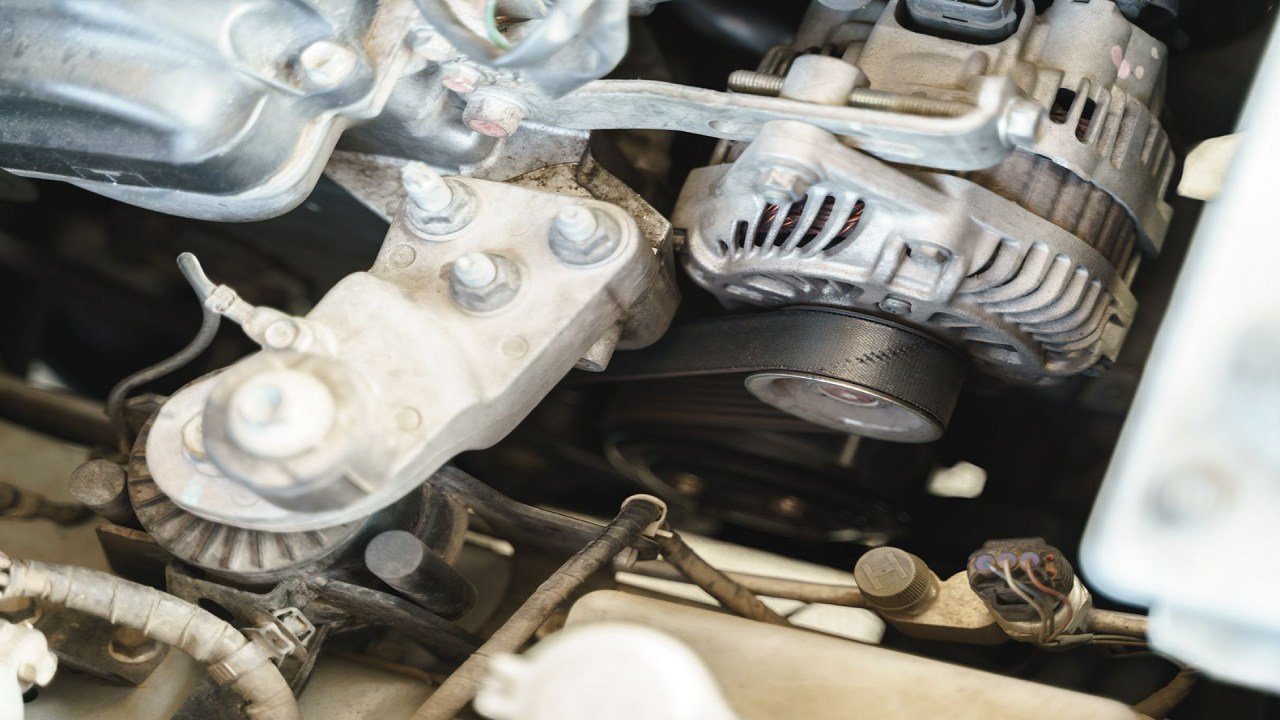
If your car is making strange noises, it's important to address the issue promptly to prevent potential damage and ensure your safety on the road. Here's a step-by-step guide on what to do if your car is making unusual sounds:
1. Identify the Source:
Pay close attention to the type of noise, where it's coming from, and when it occurs (e.g., while accelerating, braking, turning, idling, etc.).
Try to pinpoint the general area or component from which the noise is originating.
2. Pull Over Safely:
If the noise is severe or if you feel a sudden change in your car's behavior, pull over to a safe location and turn off the engine.
Avoid driving further if the noise indicates a serious problem, as it could lead to further damage or accidents.
3. Diagnose the Issue:
Once you've safely stopped, open the hood and check for obvious signs of damage, loose components, or fluid leaks.
Check under the vehicle for any visible issues or leaks as well.
4. Listen Carefully:
Start the engine and listen for the noise while the car is idling.
If the noise persists, try revving the engine or reproducing the conditions that cause the noise while the car is stationary.
5. Consult the Owner's Manual:
Refer to your car's owner's manual to understand the normal sounds your vehicle makes and any potential causes of unusual noises.
6. Rule Out Obvious Causes:
Check for loose items inside the car that could be causing the noise, such as objects rolling around in the trunk or back seat.
7. Don't Ignore Dashboard Warnings:
If the noise is accompanied by dashboard warning lights, pay attention to the specific warnings and consult the owner's manual for guidance.
8. Seek Professional Help:
If you're unable to identify the source of the noise or if it indicates a serious problem (e.g., grinding, knocking, rattling, screeching, etc.), it's best to contact a qualified mechanic or technician.
Describe the noise and provide details about when and how it occurs to help the mechanic diagnose the issue.
9. Preventive Maintenance:
Regular maintenance can help prevent unusual noises from developing. Follow the recommended maintenance schedule in your owner's manual.
10. Avoid DIY Fixes:
While it might be tempting to attempt a DIY fix, it's generally better to leave the diagnosis and repair to professionals, especially if the noise is significant.
Remember, diagnosing and repairing automotive issues can be complex and requires expertise. It's always safer to err on the side of caution and seek professional assistance if you're uncertain about the cause of the noise or how to address it.
Tesla may add live object detection and more in upcoming update
Tesla Theater Will Be Getting Plenty More Streaming Platforms
Tesla China Model 3 and Model Y Shorter Wait Times
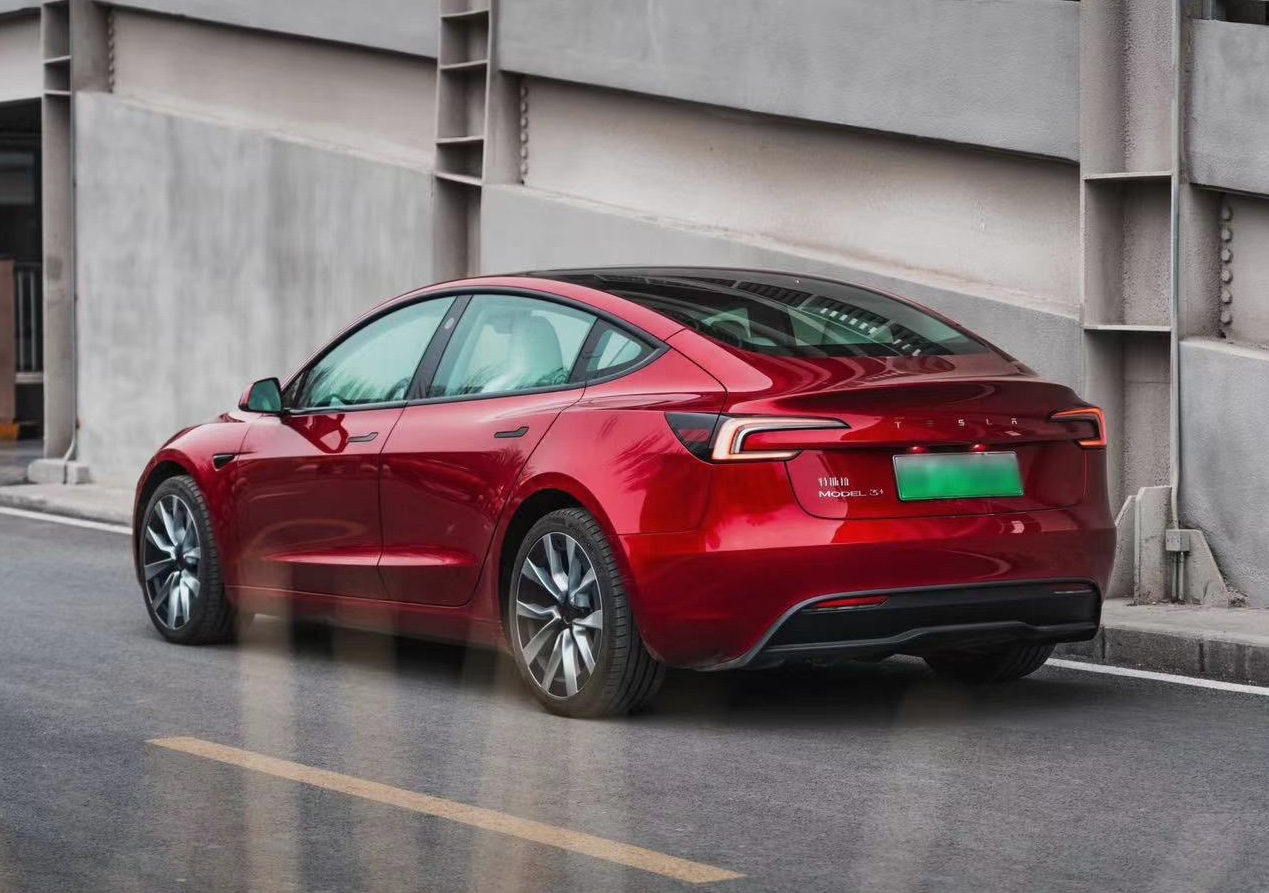
Study Reveals Battle For Most Anticipated EV Of 2023 Is Not Even Close

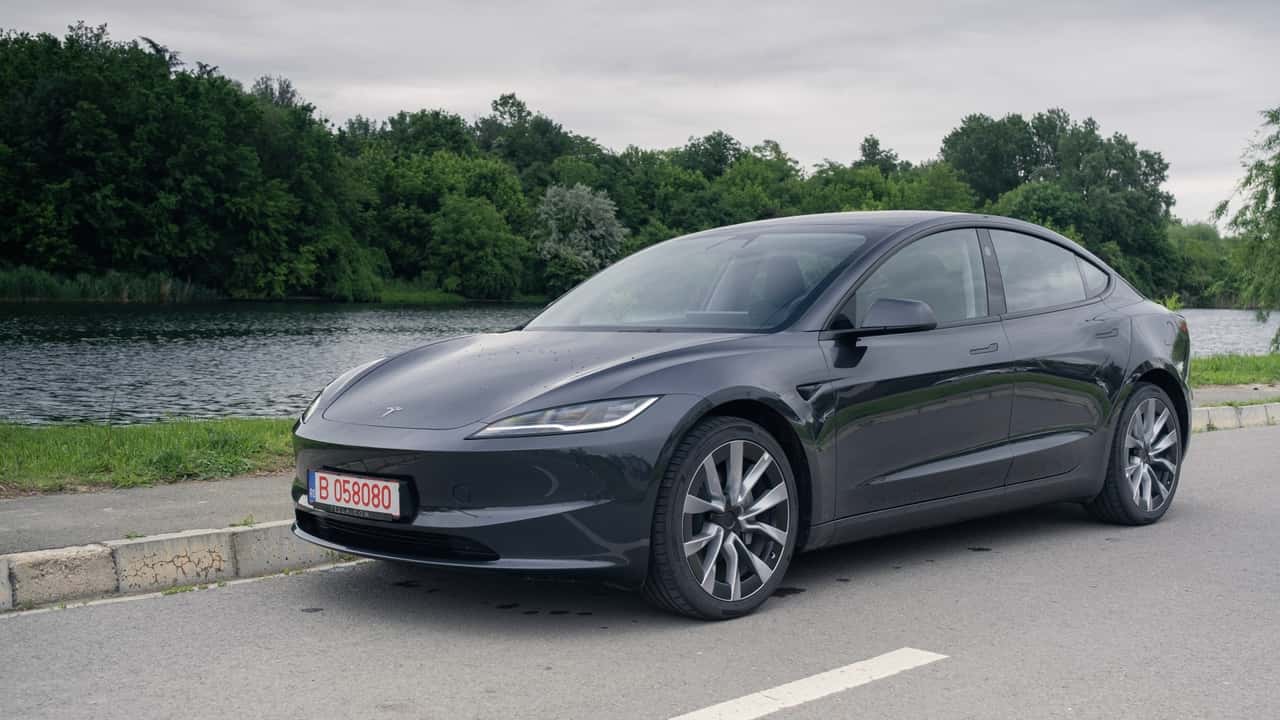
LFP Wins This Tesla Model 3 Battery Degradation Comparison
Tesla Launches New Model S Plaid Track Package That Unlocks 200 MPH Top Speed
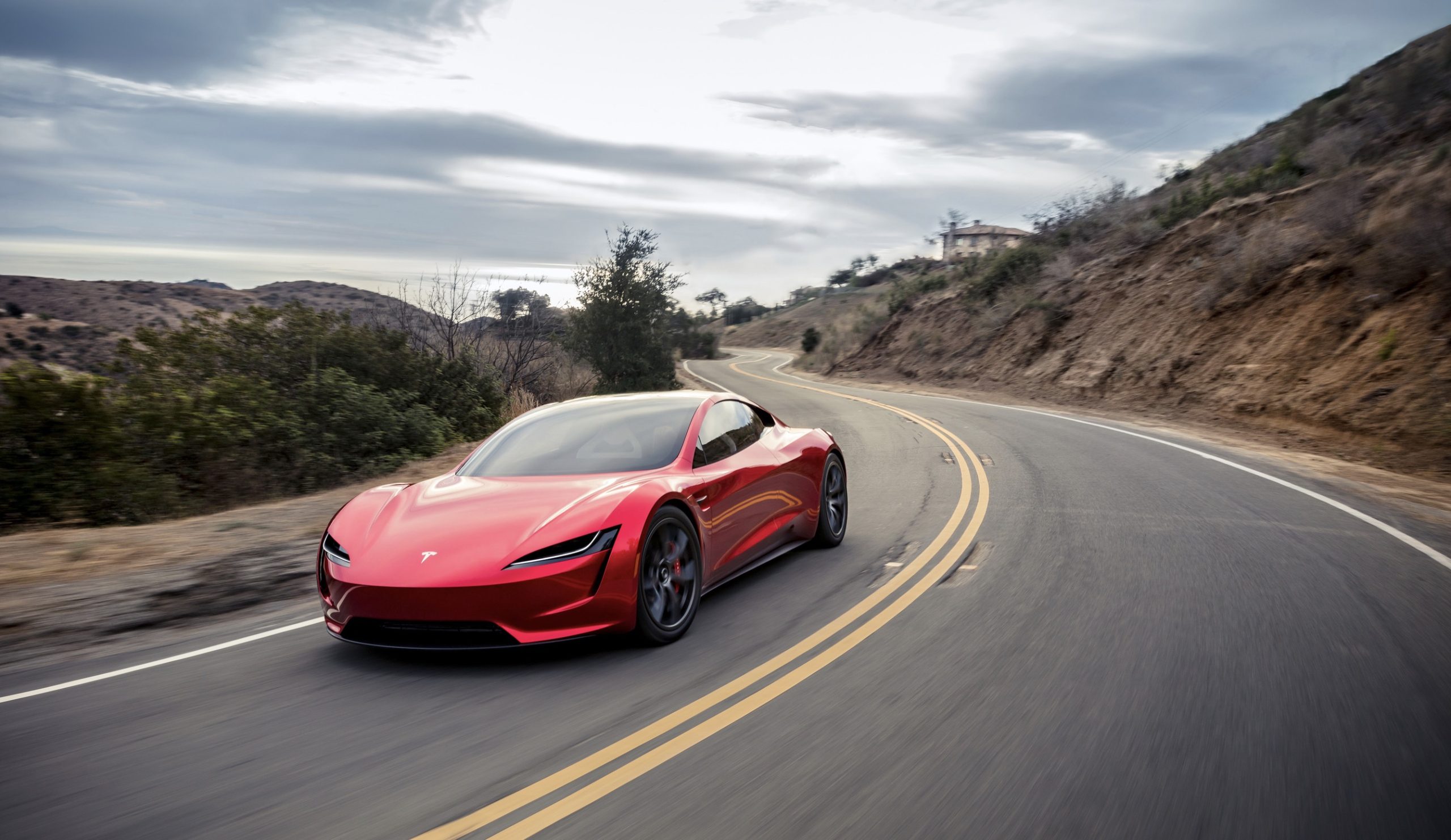
Tesla Unveils Juicy New Detail On the Roadster
Tesla Combats Uber and Lyft Congestion
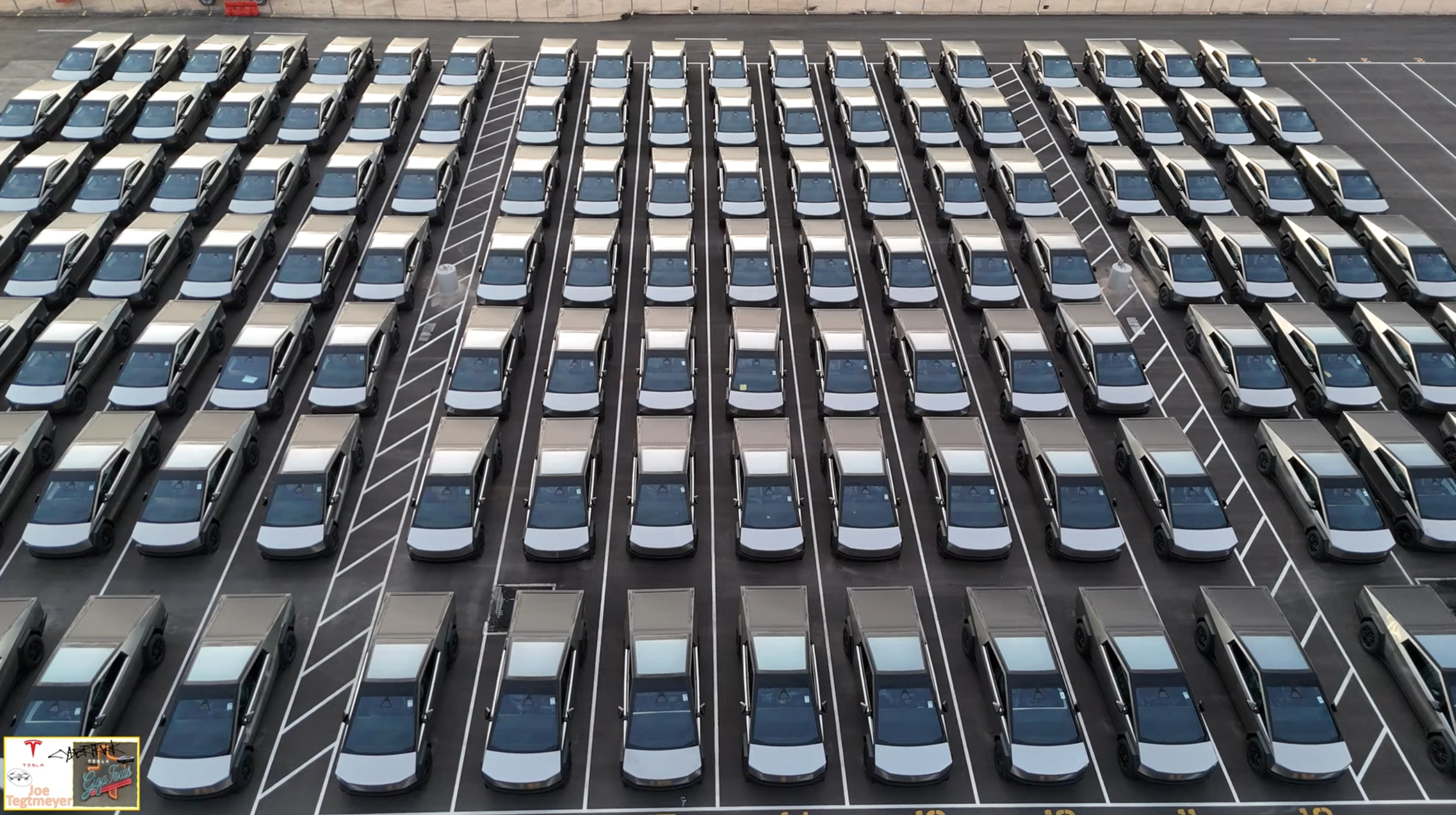
Tesla Giga Texas Shows Several Cybertrucks Ready to Ship
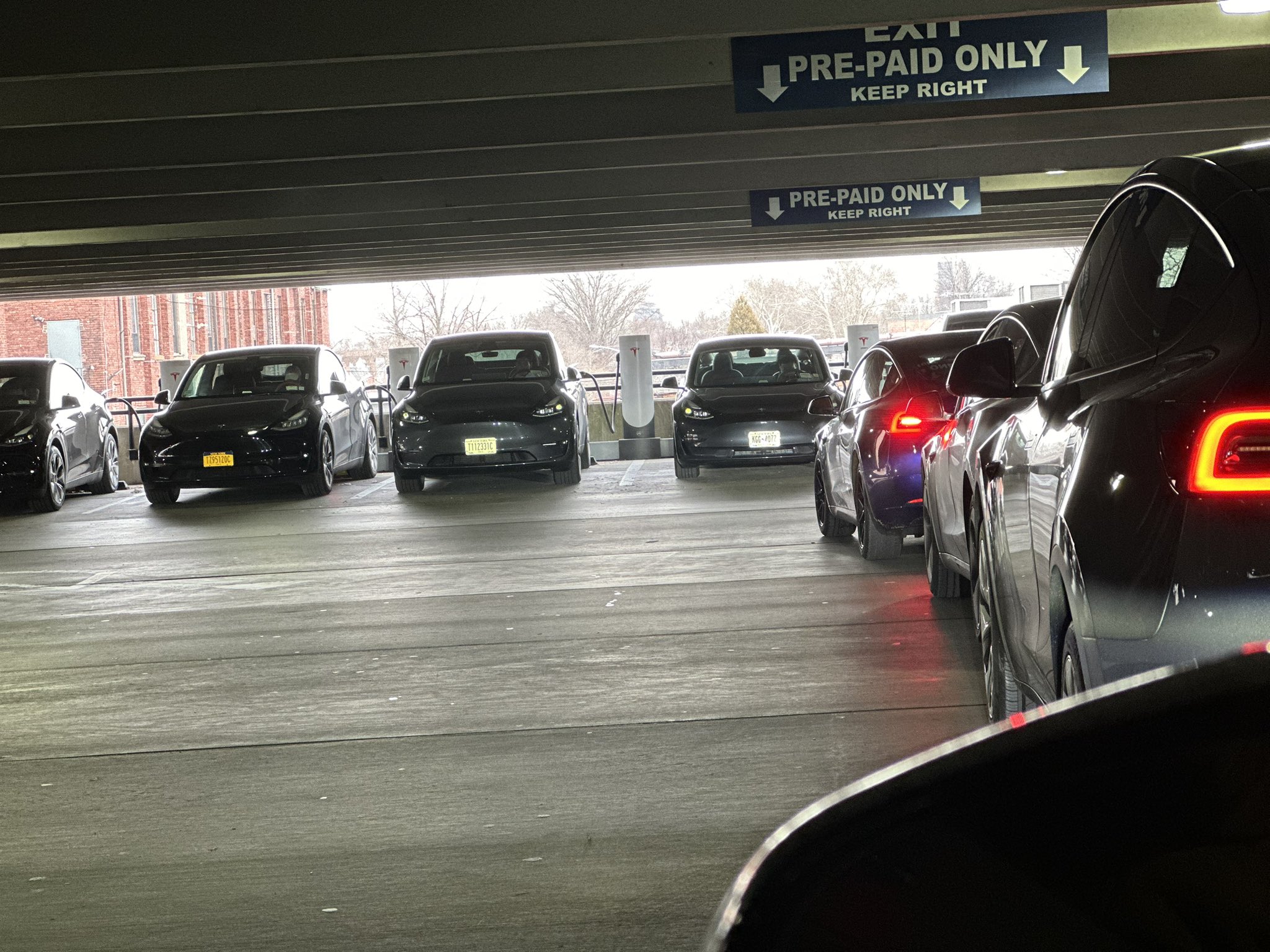
EV adoption spurs updated guidance on parking structure design