

Types
Brands
- Acura
- Afeela
- Alfa Romeo
- Alligator
- Apollo Automobil
- Aprilia
- Arch
- Arctic Cat
- Aston Martin
- Audi
- Bentley
- BMW
- Bollinger
- Boss Hoss
- Buell
- Bugatti
- Buick
- Cadillac
- CanAm
- Caterham
- Chevrolet
- Chrysler
- Citroen
- Cleveland CycleWerks
- Curtiss
- Dacia
- Dodge
- Ducati
- Ferrari
- Fiat
- Fisker
- Ford
- General Motors
- Genesis
- GMC
- Harley Davidson
- Honda
- Husqvarna
- Hyundai
- Indian
- Ineos
- Infiniti
- Jaguar
- Janus
- Jeep
- Karma
- Kawasaki
- Kia
- Koenigsegg
- KTM
- Lamborghini
- Land Rover
- Lexus
- Lightning
- Lincoln
- Lordstown
- Lotus
- Lucid Motors
- Maserati
- Mazda
- McLaren
- Mercedes
- Mercury
- MG
- Mini Cooper
- Mitsubishi
- Moto Guzzi
- MTT
- Nikola
- NIO
- Nissan
- Pagani
- Peugeot
- Piaggio
- Polaris
- Polestar
- Pontiac
- Porsche
- Ram
- Renault
- Rimac
- Rivian
- Rokon
- RollsRoyce
- Royal Enfield
- Saab
- Saturn
- Scion
- SEAT
- Ski-Doo
- Skoda
- Smart
- Spyker
- Subaru
- Suzuki
- Tesla
- Toyota
- Triumph
- Vauxhall
- Vespa
- VinFast
- Volkswagen
- Volvo
- Yamaha
- Z Electric Vehicle
- Zero Motorcycles
Article Categories
- Acura News
- Alfa Romeo News
- Aston Martin News
- Audi News
- Bentley News
- BMW News
- Buick News
- Cadillac News
- Car News
- Chevrolet News
- Chrysler News
- Dodge News
- Fiat News
- Ford News
- GMC News
- Honda News
- Hyundai News
- Infiniti News
- Jaguar News
- Jeep News
- Kia News
- Lexus News
- Lincoln News
- Mazda News
- Mercedes News
- Nissan News
- Porsche News
- Subaru News
- Tesla News
- Tips and Tricks
- Toyota News
- Volkswagen News
- Volvo News
More Articles
The Use Of Adaptive Lighting Now Legal In The US
[BACK]
Posted On: April 8, 2022
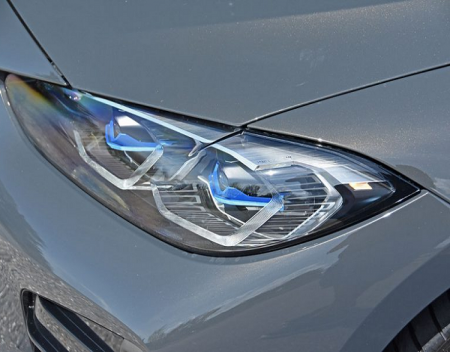
The long wait is over. A law that had prohibited the use of adaptive lighting has been lifted. It comes after President Biden signed the US Infrastructure Bill in November 2021. The bill had proposed changes to Section 108 of the Federal Motor Vehicle Safety Standard (FMVSS). It is a culmination of several decades of petitioning by automakers. The Infrastructure bill mandated the National Highway Traffic Safety Administration to roll out the changes to lighting regulations within two years. Luckily, NHTSA has managed to approve the changes in six months. It means that American car owners can begin driving around with adaptive headlights.
Previously, FMVSS Section 108 dictated that all car headlights be fitted with dedicated high beam and low beam lights. It was illegal for anyone to drive on US roads with adaptive headlights. These regulations locked the country from the innovative technology popular with European car models. Countries outside the USA have been using adaptive lighting since 2006. Companies dealing with European car brands like Audi, BMW and Mercedes Benz had to deactivate this feature for their vehicles to be sold and used in the US. The latest development means that car owners can activate this integrated feature. It also ends years of petitions and negotiations between government agencies and automakers to permit driving with adaptive lighting.
What is adaptive lighting?
For American car drivers, driving in the dark requires frequent flipping between low and high beams depending on oncoming traffic or terrain. A pretty tedious task, and sometimes people forget, ending up with a high beam that blinds oncoming drivers. While the US drivers flip low and high beam lights, their European, even global counterparts use an intelligent lighting system. The adaptive lighting. It is a technology that utilizes several sensors to monitor traffic, slope and terrain and accordingly adjusts the brightness of headlights.
Unlike the traditional headlights synonymous with American vehicles, adaptive headlights emit illumination in different directions. Light from the former comes from a fixed angle. Adaptive headlights automatically adjust in response to course changes and oncoming traffic density.
Adaptive lighting has a quicker response to the steering. Turning the steering causes the headlamps to shift by a specific angle in the direction of the steering wheel. That way, keeping the road ahead well-lit. The lights can move horizontally or vertically in response to the driving course, allowing drivers to track the path and see ahead clearly. These lights can also tilt upwards or downwards to improve illumination when driving up or down a slope.
Adaptive lighting proves beneficial for nighttime driving. These headlights use arrays of advanced light-emitting diodes (LED), which are more durable and brighter than conventional headlight bulbs. The lights are connected to a computerized control module that increases their responsiveness to driving conditions. The technology has advanced in the rest of the world, while it lagged in America due to restrictive regulations.
Modern adaptive lighting systems can focus a beam of light on road safety symbols, surface markings, obstacles and vehicles ahead. Typical adaptive lighting systems contain:
LED drivers- regulate the amount of current flowing into the headlamp and the intensity of brightness.
Matrix manager- controls the shape of the beam on different driving courses
Electronic control unit- handles signal processing for perfect adjustment of headlights.
Switching controllers- are vital for heat management, current regulation and boosting the supply voltage.
When driving in the dark, the sensors analyze lighting from oncoming vehicles. The adaptive lights identify illuminated and dimly lit sections of the road. The electronic control unit converts this information into a signal that controls the operation of the matrix manager, switching controllers and LED drivers. The headlights will lower beam intensity and focus on the dimly-lit road sections, providing optimum visibility.
The use of adaptive lighting will, without a doubt, improve driving safety on US roads.
How will US adaptive lights compare with those used in the rest of the world?
NHTSA affirms that the use of adaptive lighting will improve road safety. The approval of these innovative lights will boost the visibility of cyclists, pedestrians, animals and obstacles on the road and minimize road crashes. While acknowledging these benefits, the administration has put some restrictions on the standards of these headlights. That means that the American system will use a slightly different adaptive lighting standard from the rest of the world. Automakers will have to modify the headlights to meet federal requirements.
Moving forward, adaptive lights for use in the US must adhere to Society of Automotive Engineers (SAE) standards. As a result, vehicles can be equipped with headlights that automatically reshape high beams, but the light intensity must be within limits established in the 1970s. NHTSA also notes that certification regimes for Europe and the US vary. European carmakers rely on type-approved certification, while the US requires original car manufacturers to self-certify that their lighting products meet the minimum requirements for use. The testing standards for adaptive lights in the US are also different from established practices around the globe. SAE standards recommend that although the lighting is optimum, it should ensure drivers are not subjected to glare when driving on curved roads.
Irrespective of the differences in standards and regulations, the pronouncement that adaptive headlights are road-legal in the US is welcome among automakers and dealers. Car industry experts will now retreat and evaluate their products to verify whether they comply with the desired US standards. The news comes when the automotive industry is invested heavily in improving the autonomy of vehicles to optimize road safety.
The long-awaited future is here!
American drivers could soon activate the adaptive lighting feature on most of their European car brands. Local manufacturers will gradually offer vehicles using innovative technology as they strive to enhance road safety. With the US approving the changes to lighting technology, the adoptive light market segment is bound to enjoy more growth. There will be increased research into LED technology and computerized control in different car brands. The country will now be at par with the rest of the world in matters of innovative lighting technology.
Reposted From Source: automotiveaddicts.com
[BACK]
[BACK]Posted On: April 8, 2022
The long wait is over. A law that had prohibited the use of adaptive lighting has been lifted. It comes after President Biden signed the US Infrastructure Bill in November 2021. The bill had proposed changes to Section 108 of the Federal Motor Vehicle Safety Standard (FMVSS). It is a culmination of several decades of petitioning by automakers. The Infrastructure bill mandated the National Highway Traffic Safety Administration to roll out the changes to lighting regulations within two years. Luckily, NHTSA has managed to approve the changes in six months. It means that American car owners can begin driving around with adaptive headlights.
Previously, FMVSS Section 108 dictated that all car headlights be fitted with dedicated high beam and low beam lights. It was illegal for anyone to drive on US roads with adaptive headlights. These regulations locked the country from the innovative technology popular with European car models. Countries outside the USA have been using adaptive lighting since 2006. Companies dealing with European car brands like Audi, BMW and Mercedes Benz had to deactivate this feature for their vehicles to be sold and used in the US. The latest development means that car owners can activate this integrated feature. It also ends years of petitions and negotiations between government agencies and automakers to permit driving with adaptive lighting.
What is adaptive lighting?
For American car drivers, driving in the dark requires frequent flipping between low and high beams depending on oncoming traffic or terrain. A pretty tedious task, and sometimes people forget, ending up with a high beam that blinds oncoming drivers. While the US drivers flip low and high beam lights, their European, even global counterparts use an intelligent lighting system. The adaptive lighting. It is a technology that utilizes several sensors to monitor traffic, slope and terrain and accordingly adjusts the brightness of headlights.
Unlike the traditional headlights synonymous with American vehicles, adaptive headlights emit illumination in different directions. Light from the former comes from a fixed angle. Adaptive headlights automatically adjust in response to course changes and oncoming traffic density.
Adaptive lighting has a quicker response to the steering. Turning the steering causes the headlamps to shift by a specific angle in the direction of the steering wheel. That way, keeping the road ahead well-lit. The lights can move horizontally or vertically in response to the driving course, allowing drivers to track the path and see ahead clearly. These lights can also tilt upwards or downwards to improve illumination when driving up or down a slope.
Adaptive lighting proves beneficial for nighttime driving. These headlights use arrays of advanced light-emitting diodes (LED), which are more durable and brighter than conventional headlight bulbs. The lights are connected to a computerized control module that increases their responsiveness to driving conditions. The technology has advanced in the rest of the world, while it lagged in America due to restrictive regulations.
Modern adaptive lighting systems can focus a beam of light on road safety symbols, surface markings, obstacles and vehicles ahead. Typical adaptive lighting systems contain:
LED drivers- regulate the amount of current flowing into the headlamp and the intensity of brightness.
Matrix manager- controls the shape of the beam on different driving courses
Electronic control unit- handles signal processing for perfect adjustment of headlights.
Switching controllers- are vital for heat management, current regulation and boosting the supply voltage.
When driving in the dark, the sensors analyze lighting from oncoming vehicles. The adaptive lights identify illuminated and dimly lit sections of the road. The electronic control unit converts this information into a signal that controls the operation of the matrix manager, switching controllers and LED drivers. The headlights will lower beam intensity and focus on the dimly-lit road sections, providing optimum visibility.
The use of adaptive lighting will, without a doubt, improve driving safety on US roads.
How will US adaptive lights compare with those used in the rest of the world?
NHTSA affirms that the use of adaptive lighting will improve road safety. The approval of these innovative lights will boost the visibility of cyclists, pedestrians, animals and obstacles on the road and minimize road crashes. While acknowledging these benefits, the administration has put some restrictions on the standards of these headlights. That means that the American system will use a slightly different adaptive lighting standard from the rest of the world. Automakers will have to modify the headlights to meet federal requirements.
Moving forward, adaptive lights for use in the US must adhere to Society of Automotive Engineers (SAE) standards. As a result, vehicles can be equipped with headlights that automatically reshape high beams, but the light intensity must be within limits established in the 1970s. NHTSA also notes that certification regimes for Europe and the US vary. European carmakers rely on type-approved certification, while the US requires original car manufacturers to self-certify that their lighting products meet the minimum requirements for use. The testing standards for adaptive lights in the US are also different from established practices around the globe. SAE standards recommend that although the lighting is optimum, it should ensure drivers are not subjected to glare when driving on curved roads.
Irrespective of the differences in standards and regulations, the pronouncement that adaptive headlights are road-legal in the US is welcome among automakers and dealers. Car industry experts will now retreat and evaluate their products to verify whether they comply with the desired US standards. The news comes when the automotive industry is invested heavily in improving the autonomy of vehicles to optimize road safety.
The long-awaited future is here!
American drivers could soon activate the adaptive lighting feature on most of their European car brands. Local manufacturers will gradually offer vehicles using innovative technology as they strive to enhance road safety. With the US approving the changes to lighting technology, the adoptive light market segment is bound to enjoy more growth. There will be increased research into LED technology and computerized control in different car brands. The country will now be at par with the rest of the world in matters of innovative lighting technology.
Reposted From Source: automotiveaddicts.com
Tesla Stock Gets Boost from Deutsche Bank Ahead of Deliveries
Posted On: June 26, 2023
Tesla receives a price target increase from Deutsche Bank ahead of its delivery and financial report.
Although the PT is up 15%, it is still lower than the current price, which is $256 at the ...[More]Tesla Quietly Flexes FSD Reliability Amid Waymo Issues
Posted On: December 22, 2025
Tesla highlighted its Full Self-Driving (Supervised) system's robustness this week by sharing dashcam footage of a vehicle in FSD navigating pitch-black San Francisco streets during the city&rsquo...[More]Tesla Model Y Accounted for a Third of All EVs
Posted On: January 10, 2024
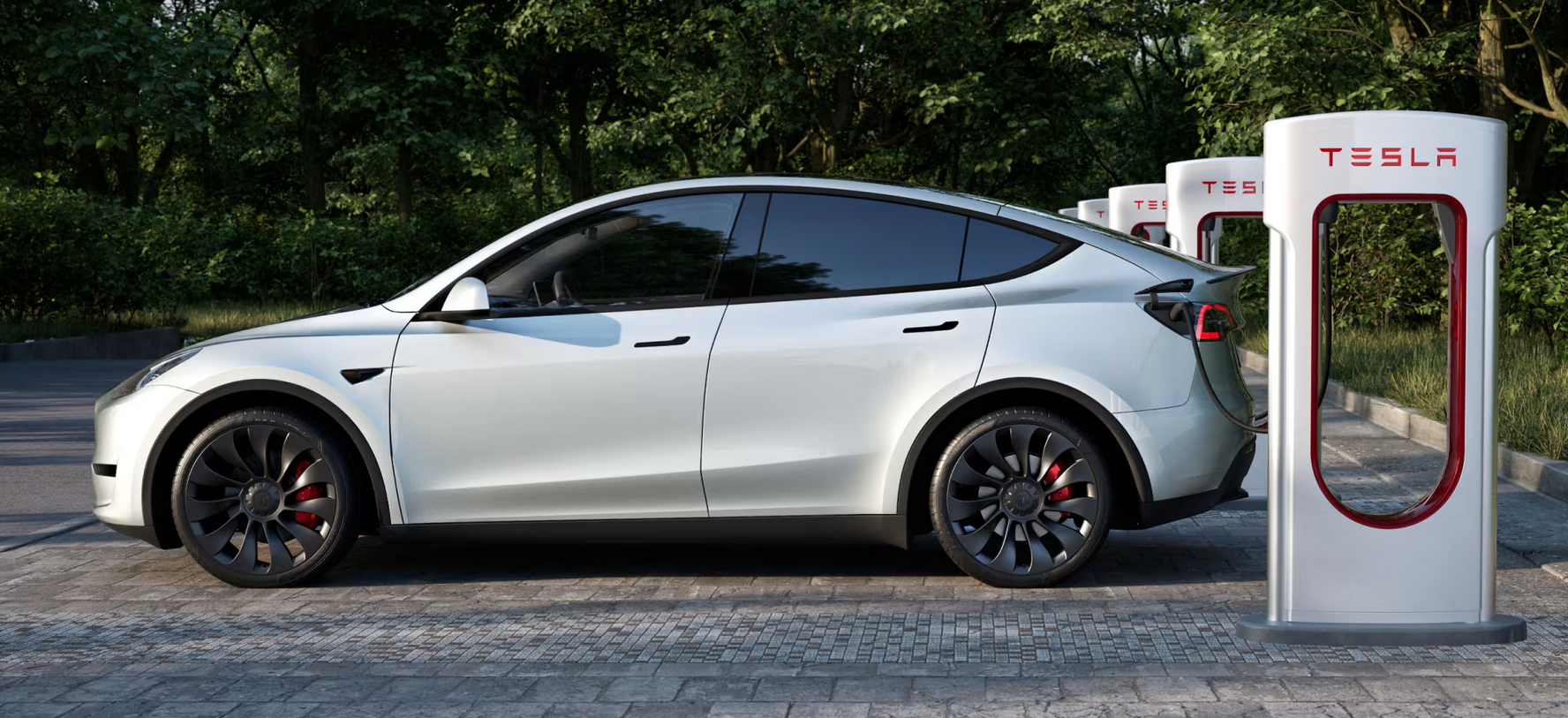
New data shows that the Tesla Model Y made up a third of all electric vehicle (EV) sales in the U-S last year, with the Model 3 not far behind.
Tesla is estimated to have sold 394,497 Model Y ...[More]Tesla Model Y One Year Later: What Does The Wife Think?
Posted On: May 28, 2023
Our friend Andy Slye has been the proud owner of a Tesla car for many years and he has recently obtained his Tesla Model Y.
His wife also joins in this review and adds her personal experience with ...[More]Tesla China Domestic Sales Figures for October 2024
Posted On: November 8, 2024
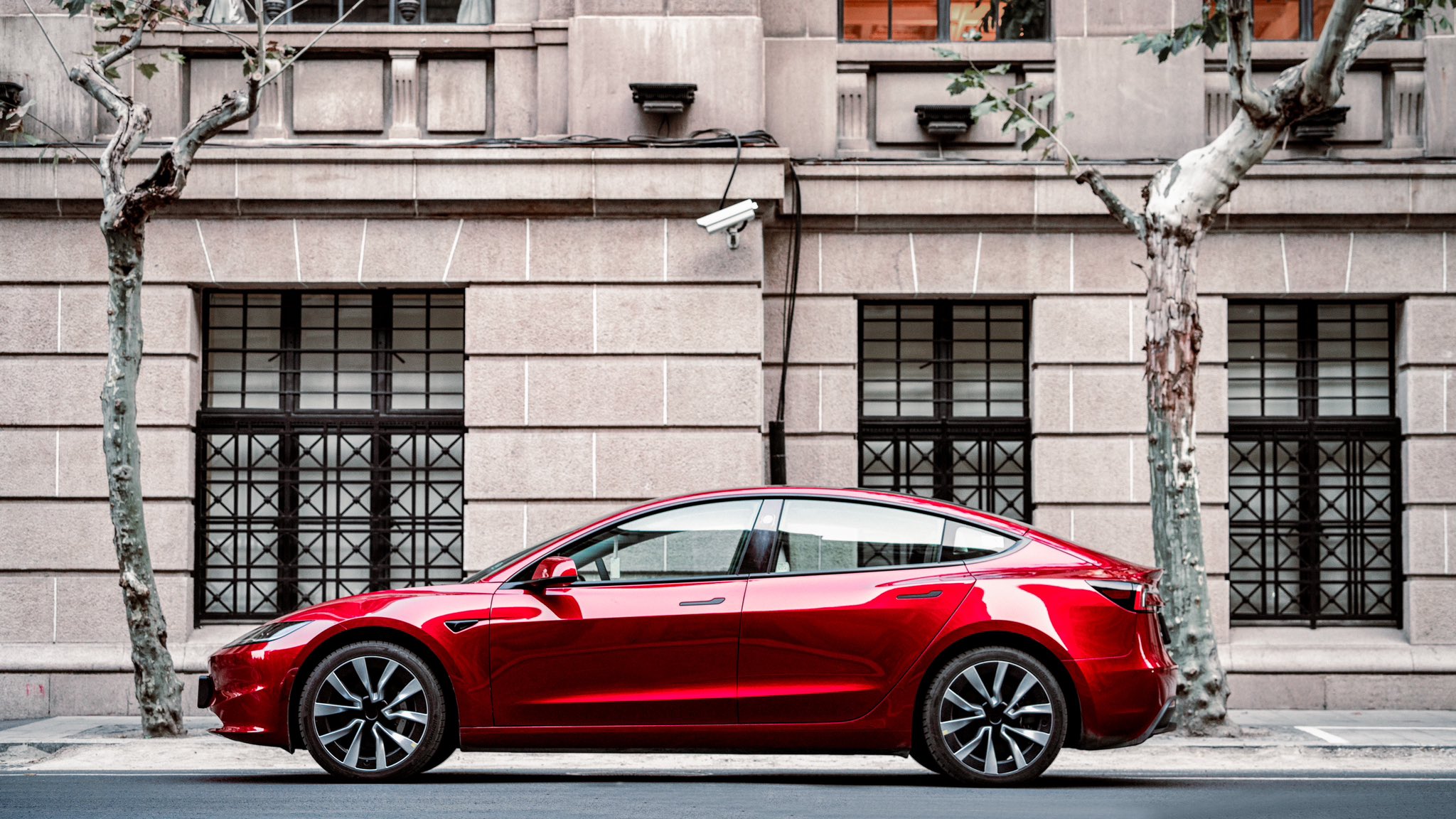
Tesla China sold a total of 68,280 vehicles wholesale in October 2024.
From this number, a total of 27,795 vehicles were exported to foreign markets.
This was according to data recently released...[More]Rivian Talks With Illinois About Incentives Ahead of R2 Production
Posted On: March 9, 2024
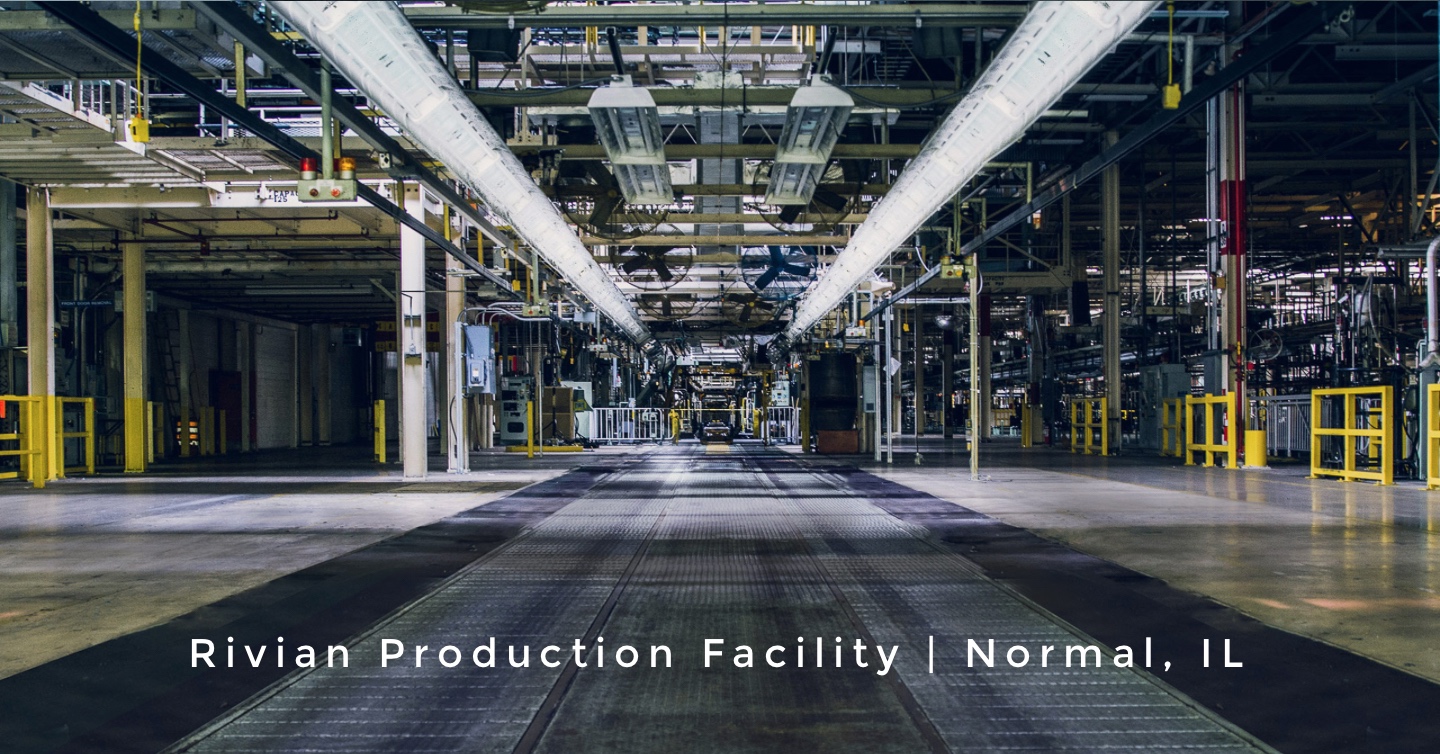
Rivian is now in discussions about a new incentive arrangement with the state of Illinois, after the electric vehicle (EV) maker unveiled its upcoming R2 SUV earlier this week, now set to be built wit...[More]Tesla Makes a Decision On the Future Of its Flagship Model S
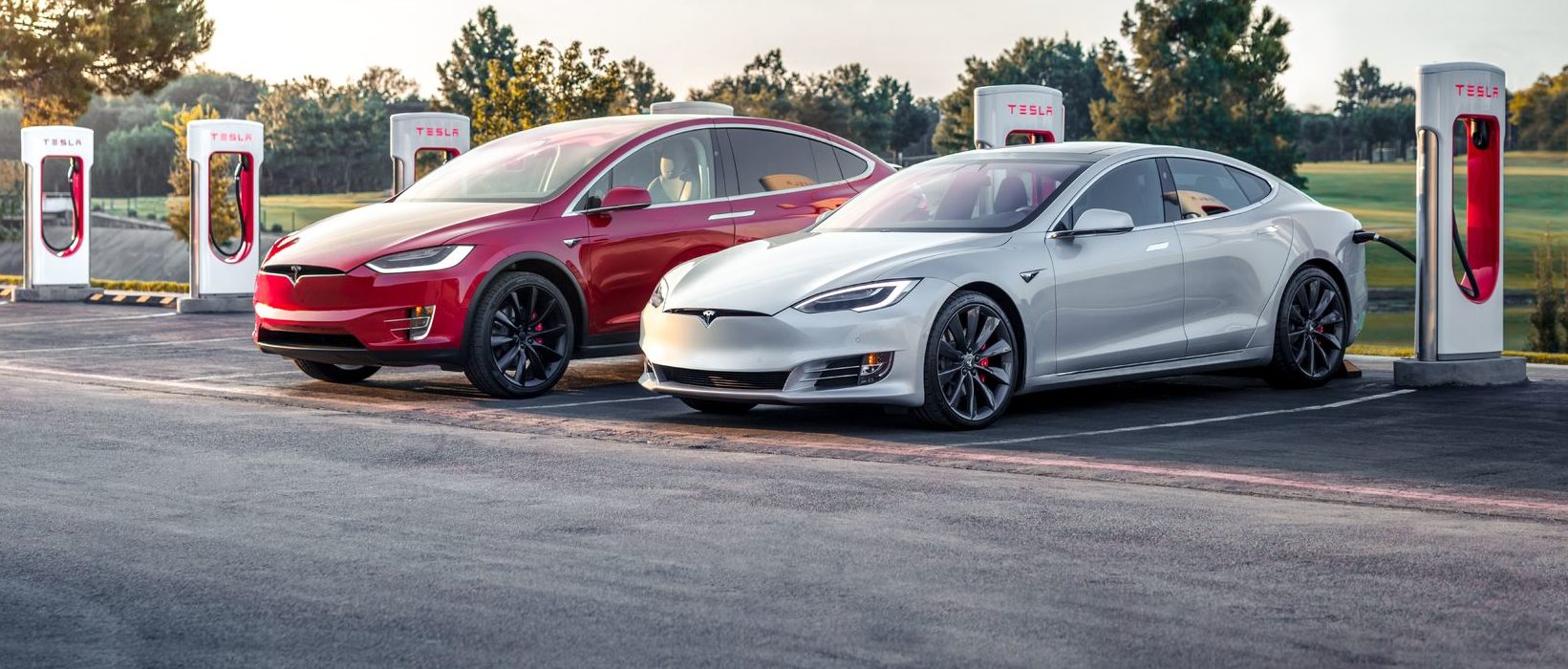
Posted On: February 24, 2025
Tesla has made a decision regarding the future of its flagship vehicles, the Model S and Model X, which both have been sticking around for "sentimental reasons" and have no true alignment wi...[More]Stellantis Now Facing Strike From Unions in Italy
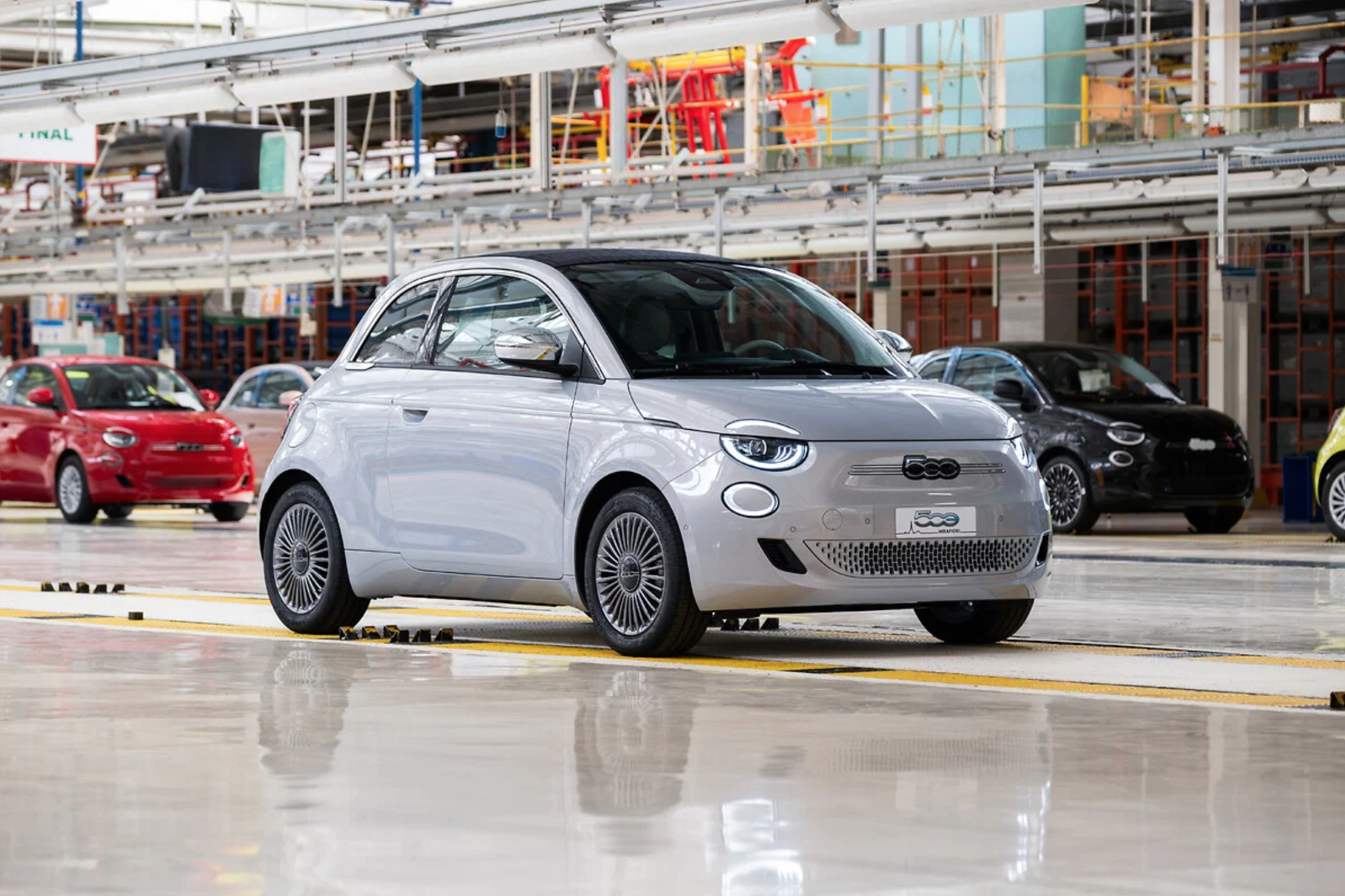
Posted On: September 24, 2024
Multinational automaker Stellantis is now facing additional strikes from unions in Italy, after the largest automotive union in the U-S last week threatened multiple strikes against the company.
On...[More]Tesla Wins Kelley Blue Book Award For 3rd Year In A Row
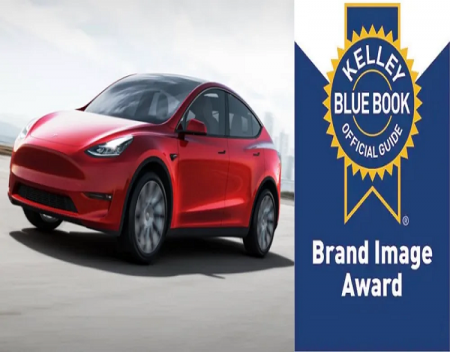
Posted On: March 11, 2022
Tesla was recently listed by vehicle valuation and automotive research company Kelley Blue Book as the "Best Overall Luxury Brand" in its 2022 Brand Image Awards. The awards are designed to ...[More]Tesla Solves Shortage of Skilled Workers for Giga Berlin with Self-Training
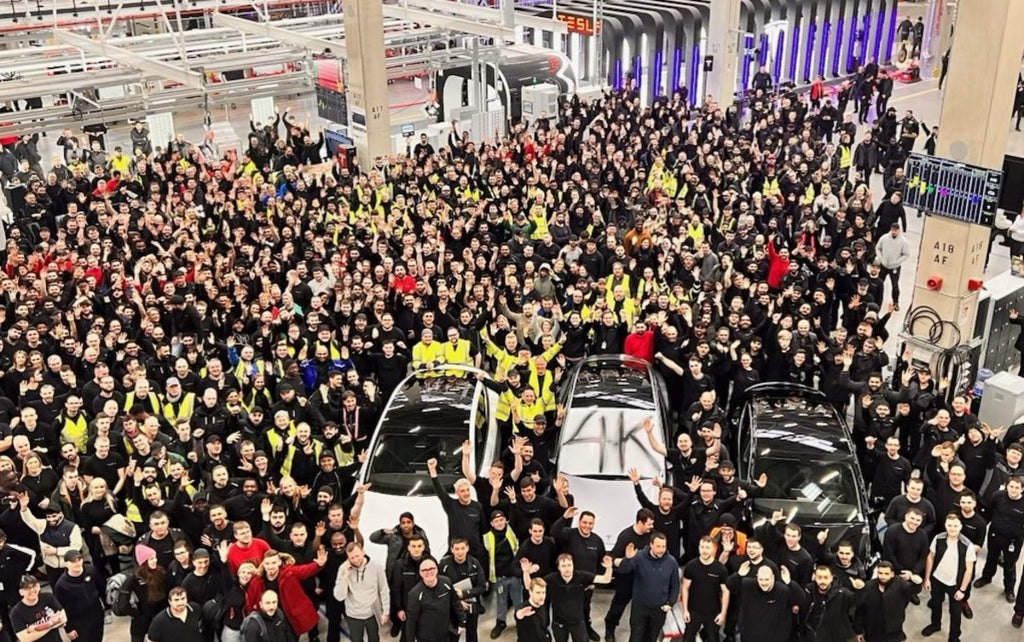
Posted On: March 7, 2023
Tesla has solved the problem of a shortage of skilled workers at Giga Berlin to start production at full capacity. The largest private employer in Brandenburg uses a variety of methods, including...[More]