

Types
Brands
- Acura
- Afeela
- Alfa Romeo
- Alligator
- Apollo Automobil
- Aprilia
- Arch
- Arctic Cat
- Aston Martin
- Audi
- Bentley
- BMW
- Bollinger
- Boss Hoss
- Buell
- Bugatti
- Buick
- Cadillac
- CanAm
- Caterham
- Chevrolet
- Chrysler
- Citroen
- Cleveland CycleWerks
- Curtiss
- Dacia
- Dodge
- Ducati
- Ferrari
- Fiat
- Fisker
- Ford
- General Motors
- Genesis
- GMC
- Harley Davidson
- Honda
- Husqvarna
- Hyundai
- Indian
- Ineos
- Infiniti
- Jaguar
- Janus
- Jeep
- Karma
- Kawasaki
- Kia
- Koenigsegg
- KTM
- Lamborghini
- Land Rover
- Lexus
- Lightning
- Lincoln
- Lordstown
- Lotus
- Lucid Motors
- Maserati
- Mazda
- McLaren
- Mercedes
- Mercury
- MG
- Mini Cooper
- Mitsubishi
- Moto Guzzi
- MTT
- Nikola
- NIO
- Nissan
- Pagani
- Peugeot
- Piaggio
- Polaris
- Polestar
- Pontiac
- Porsche
- Ram
- Renault
- Rimac
- Rivian
- Rokon
- RollsRoyce
- Royal Enfield
- Saab
- Saturn
- Scion
- SEAT
- Ski-Doo
- Skoda
- Smart
- Spyker
- Subaru
- Suzuki
- Tesla
- Toyota
- Triumph
- Vauxhall
- Vespa
- VinFast
- Volkswagen
- Volvo
- Yamaha
- Z Electric Vehicle
- Zero Motorcycles
Article Categories
- Acura News
- Alfa Romeo News
- Aston Martin News
- Audi News
- Bentley News
- BMW News
- Buick News
- Cadillac News
- Car News
- Chevrolet News
- Chrysler News
- Dodge News
- Fiat News
- Ford News
- GMC News
- Honda News
- Hyundai News
- Infiniti News
- Jaguar News
- Jeep News
- Kia News
- Lexus News
- Lincoln News
- Mazda News
- Mercedes News
- Nissan News
- Porsche News
- Subaru News
- Tesla News
- Tips and Tricks
- Toyota News
- Volkswagen News
- Volvo News
More Articles
How To Budget For Getting A Used Car
[BACK]
Posted On: November 29, 2022
The first step to any budget is getting some information on paper. You should already have a budget written out for your everyday bills and debts, but if you don’t, download a free template now and get it done. Of course, once you start the new one, or update the old one, some of the times you will have to budget for will just be an estimate.
Once you actually get a used car and everything that goes along with it, you will have to create another new version. That is what budgeting is all about, though. It is never set in stone because it must be adjusted as you move through life.
With that in mind, let’s take a look at some of the things that you will have to add to your budget
Take Home Income – One of the first things on any budget will be the income you bring home. This is the amount after taxes and other payments (such as insurance) are taken out. Experts agree that you should never use more than 15% of your income for transportation costs.
Existing Debt – The next thing to take into consideration will be the existing debt that you have. This is credit cards, loans, student loans, and medical bills, just to name a few. They are the things that you pay every month just to get them caught up.
Financing – This may or may not apply to you, but if you plan to get a loan, now would be an excellent time to get pre-qualified for one. Once you do, it will show you how much your car payments will end up being and how long you will be paying them. The amount you will be paying for the loan needs to be added to your monthly bill amount.
Taxes And Fees – Now comes the part that annoys everyone buying a car. The reason is that the price you settle for when buying a used car is not the final price. There will be some dealer fees, sales tax if it applies, and docking fees. All these can add a couple hundred dollars to the final price, but the problem is that they are due when you close the deal. Always budget this in so you actually have enough to finish the transaction.
Registration – If you buy the used car from a lot, you will have a sticker in the back window that allows you to drive while they send the title down to your local registration building. When you go in to get registration and plates on the car, you will have to pay a set fee, which is what you need to have in the budget. Thankfully, this is a once-a-year payment unless you opt for permanent plates, but that only applies to older vehicles.
Insurance – If you are financing the car, you must carry full coverage insurance, otherwise, liability will work. No matter how you plan to go, the amounts will need to be kept in the budget so you can factor that cost into your monthly or yearly bills.
Maintenance – This is hard to judge, but the average amount spent on vehicle maintenance runs about 9 cents per mile. So figure out how much you drive in a month and multiply it by 9. It may not give you an exact amount, but it will be close enough to add to the budget.
When budgeting for a used car, you need to remember that buying a car is a lifetime commitment, for at least the length of time you have the vehicle. It will always require fuel, oil, maintenance, parts, and some items that turn the basic car into your own stylized one.
No matter how you look at it, the cost of the car overall may be a little more than the 15% discussed above, but that will be your call if you think you can still make all the payments without affecting the rest of your debts and bills.
Reposted From Source: automotiveaddicts.com
[BACK]
[BACK]Posted On: November 29, 2022
The first step to any budget is getting some information on paper. You should already have a budget written out for your everyday bills and debts, but if you don’t, download a free template now and get it done. Of course, once you start the new one, or update the old one, some of the times you will have to budget for will just be an estimate.
Once you actually get a used car and everything that goes along with it, you will have to create another new version. That is what budgeting is all about, though. It is never set in stone because it must be adjusted as you move through life.
With that in mind, let’s take a look at some of the things that you will have to add to your budget
Take Home Income – One of the first things on any budget will be the income you bring home. This is the amount after taxes and other payments (such as insurance) are taken out. Experts agree that you should never use more than 15% of your income for transportation costs.
Existing Debt – The next thing to take into consideration will be the existing debt that you have. This is credit cards, loans, student loans, and medical bills, just to name a few. They are the things that you pay every month just to get them caught up.
Financing – This may or may not apply to you, but if you plan to get a loan, now would be an excellent time to get pre-qualified for one. Once you do, it will show you how much your car payments will end up being and how long you will be paying them. The amount you will be paying for the loan needs to be added to your monthly bill amount.
Taxes And Fees – Now comes the part that annoys everyone buying a car. The reason is that the price you settle for when buying a used car is not the final price. There will be some dealer fees, sales tax if it applies, and docking fees. All these can add a couple hundred dollars to the final price, but the problem is that they are due when you close the deal. Always budget this in so you actually have enough to finish the transaction.
Registration – If you buy the used car from a lot, you will have a sticker in the back window that allows you to drive while they send the title down to your local registration building. When you go in to get registration and plates on the car, you will have to pay a set fee, which is what you need to have in the budget. Thankfully, this is a once-a-year payment unless you opt for permanent plates, but that only applies to older vehicles.
Insurance – If you are financing the car, you must carry full coverage insurance, otherwise, liability will work. No matter how you plan to go, the amounts will need to be kept in the budget so you can factor that cost into your monthly or yearly bills.
Maintenance – This is hard to judge, but the average amount spent on vehicle maintenance runs about 9 cents per mile. So figure out how much you drive in a month and multiply it by 9. It may not give you an exact amount, but it will be close enough to add to the budget.
When budgeting for a used car, you need to remember that buying a car is a lifetime commitment, for at least the length of time you have the vehicle. It will always require fuel, oil, maintenance, parts, and some items that turn the basic car into your own stylized one.
No matter how you look at it, the cost of the car overall may be a little more than the 15% discussed above, but that will be your call if you think you can still make all the payments without affecting the rest of your debts and bills.
Reposted From Source: automotiveaddicts.com
Tesla Giga Berlin Reaches Production Capacity of 3000 Model Ys per Week

Posted On: December 19, 2022
Tesla Giga Berlin has reached a milestone: production of 3,000 Model Ys per week. It should be kept in mind that this feat was accomplished despite the fact that the factory works only five days a wee...[More]How Difficult is it to Clean A Tesla Cybertruck

Posted On: March 27, 2024
The Tesla Cybertruck's stainless steel body is proving to be very difficult to clean, especially after long road trips where bugs, grime, salt and other stuff accumulate on the truck.
Just the ...[More]Jeep patents way to store Gladiator roof panels on a bed tonneau cover
Posted On: May 1, 2022
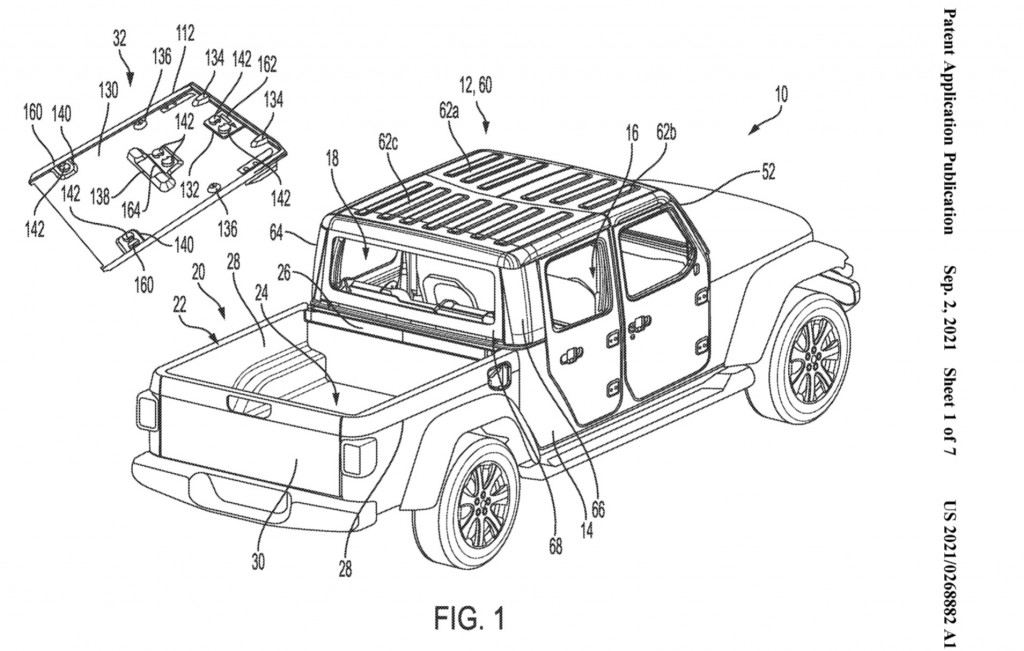
Removable roof panels are great, until you have to find a place to store them. A September 2021 filing with the United States Patent and Trademark Office (USPTO) indicates Jeep may be working on a sol...[More]Chinese battery maker aims to mass produce 1000-kilometer cell next year

Posted On: May 22, 2023
Chinese battery maker Gotion High Tech unveiled its new L600 LMFP Astroinno battery today at its annual technology conference and claims it will be capable of 1,000 kilometers, or over 621 miles of ra...[More]Why These Tesla Batteries Should Be Charged to 100 Percent
Posted On: January 1, 2026
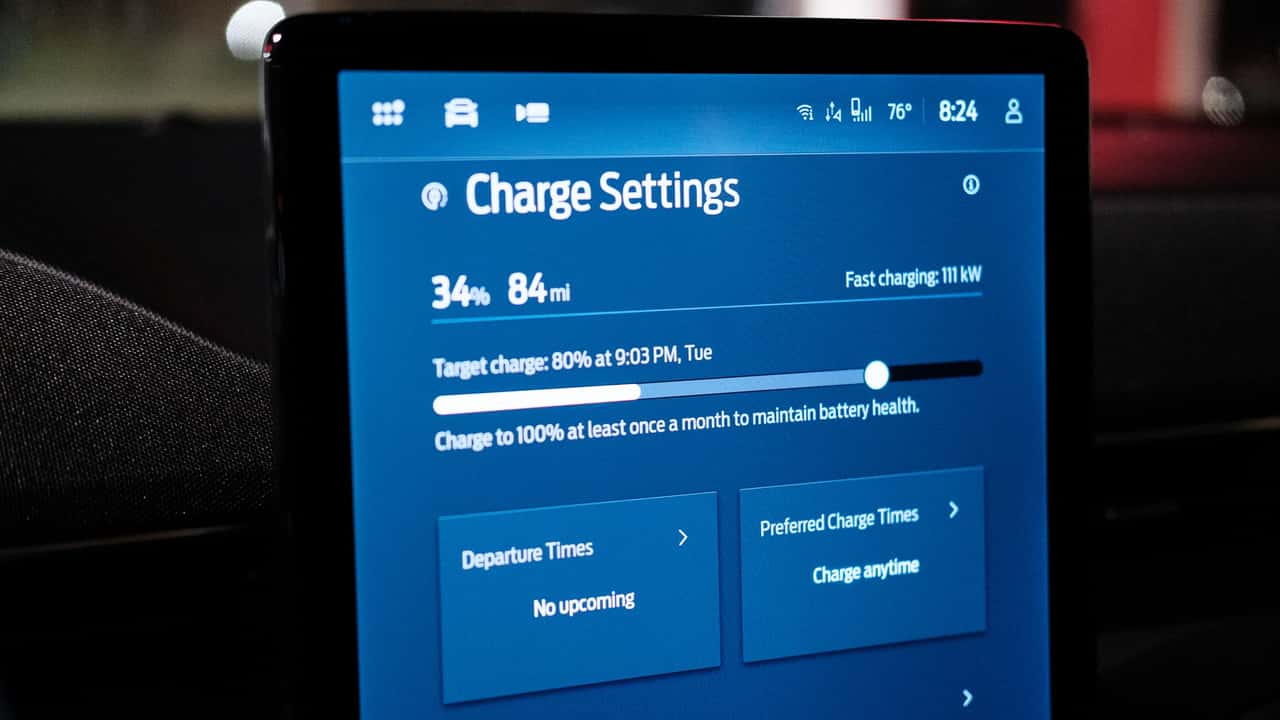
Certain versions of the Ford Mustang Mach-E, Tesla Model Y and Tesla Model 3 carry lithium-iron-phosphate (LFP) batteries.
These are meant to be more affordable, longer-lasting batteries that ...[More]Tesla FSD Beta Now Available for Anyone in North America Who Requests it
Posted On: November 25, 2022
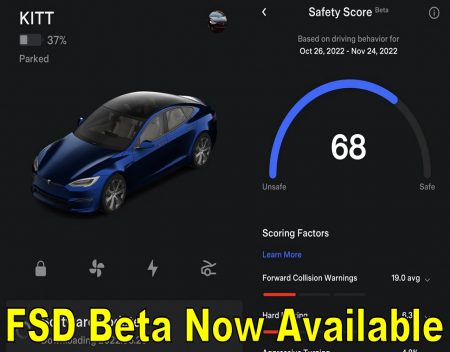
Tesla FSD Beta is becoming more and more advanced and provides a level of safety higher than a human driver. The test software is now available to anyone in North America who requests it.
After pai...[More]Tesla Extends Insurance Policy With Real-time Data Collection
Posted On: June 21, 2022
Knowing even the smallest detail of the use that your client gives to the vehicle would ideally allow insurance companies to customize the price of their policy insurance and the actual coverage inclu...[More]Tesla Has Something Big About To Happen

Posted On: September 7, 2022
Tesla had a major shutdown in Giga Shanghai this year and Giga Berlin has been dependent on Giga Shanghai for exports. Tesla still earned $1.95 per share for Q2, 2022, and they will have a good quarte...[More]Swedish Unions Consider Calling Police Over Tesla Megapack Supercharger

Posted On: January 26, 2026
Swedish labor unions are considering whether to file a police report related to a newly opened Tesla Megapack Supercharger near Stockholm, citing questions about how electricity is supplied to the sit...[More]Teardown Of Hardware 4-Equipped Tesla Model X Confirms New Radar Module
Posted On: June 14, 2023
A brand-new Tesla Model X equipped with the brand's latest Hardware 4 computer was taken apart by well-known Tesla hacker greentheonly and an interesting discovery was made that could potentially ...[More]