

Types
Brands
- Acura
- Afeela
- Alfa Romeo
- Alligator
- Apollo Automobil
- Aprilia
- Arch
- Arctic Cat
- Aston Martin
- Audi
- Bentley
- BMW
- Bollinger
- Boss Hoss
- Buell
- Bugatti
- Buick
- Cadillac
- CanAm
- Caterham
- Chevrolet
- Chrysler
- Citroen
- Cleveland CycleWerks
- Curtiss
- Dacia
- Dodge
- Ducati
- Ferrari
- Fiat
- Fisker
- Ford
- General Motors
- Genesis
- GMC
- Harley Davidson
- Honda
- Husqvarna
- Hyundai
- Indian
- Ineos
- Infiniti
- Jaguar
- Janus
- Jeep
- Karma
- Kawasaki
- Kia
- Koenigsegg
- KTM
- Lamborghini
- Land Rover
- Lexus
- Lightning
- Lincoln
- Lordstown
- Lotus
- Lucid Motors
- Maserati
- Mazda
- McLaren
- Mercedes
- Mercury
- MG
- Mini Cooper
- Mitsubishi
- Moto Guzzi
- MTT
- Nikola
- NIO
- Nissan
- Pagani
- Peugeot
- Piaggio
- Polaris
- Polestar
- Pontiac
- Porsche
- Ram
- Renault
- Rimac
- Rivian
- Rokon
- RollsRoyce
- Royal Enfield
- Saab
- Saturn
- Scion
- SEAT
- Ski-Doo
- Skoda
- Smart
- Spyker
- Subaru
- Suzuki
- Tesla
- Toyota
- Triumph
- Vauxhall
- Vespa
- VinFast
- Volkswagen
- Volvo
- Yamaha
- Z Electric Vehicle
- Zero Motorcycles
Article Categories
- Acura News
- Alfa Romeo News
- Aston Martin News
- Audi News
- Bentley News
- BMW News
- Buick News
- Cadillac News
- Car News
- Chevrolet News
- Chrysler News
- Dodge News
- Fiat News
- Ford News
- GMC News
- Honda News
- Hyundai News
- Infiniti News
- Jaguar News
- Jeep News
- Kia News
- Lexus News
- Lincoln News
- Mazda News
- Mercedes News
- Nissan News
- Porsche News
- Subaru News
- Tesla News
- Tips and Tricks
- Toyota News
- Volkswagen News
- Volvo News
More Articles
How Is Quality Control Performed in Plastic Injection Molding?

Quality control is an essential part of plastic injection molding. Manufacturers must ensure that finished plastic components meet specific dimensional, mechanical, visual, and functional requirements while maintaining consistency across production runs.
From raw material inspection to finished product testing, quality control procedures help manufacturers minimize defects, reduce material waste, and improve product reliability.
What Is Quality Control in Plastic Injection Molding?
Quality control in plastic injection molding involves a series of inspections, measurements, tests, and process monitoring procedures designed to ensure that manufactured components meet predetermined specifications.
Rather than relying exclusively on finished product inspections, effective quality control is performed throughout the manufacturing process. This allows manufacturers to identify and correct potential problems before they result in significant production losses.
1. Raw Material Inspection
Quality control begins before the injection molding process starts. The quality and consistency of plastic resin directly influence the performance and appearance of finished components.
Raw material inspections may include checking:
- Material composition and grade
- Moisture content
- Melt flow characteristics
- Color consistency
- Contamination levels
- Material certifications
Certain plastics, including nylon and polycarbonate, absorb moisture and require proper drying before processing. Excessive moisture can contribute to surface defects and material degradation.
2. Injection Mold Inspection
The condition of an injection mold directly affects the accuracy and consistency of finished plastic components.
Before production begins, manufacturers may inspect molds for signs of wear, damage, corrosion, and dimensional inconsistencies.
Important areas of inspection include mold cavities, cooling channels, ejector pins, gates, and parting surfaces.
Regular mold inspections help prevent manufacturing defects and reduce unexpected production interruptions.
3. Monitoring Injection Molding Process Parameters
Maintaining consistent processing conditions is essential for producing high-quality injection molded parts.
Manufacturers monitor several important process parameters, including:
- Melt temperature
- Mold temperature
- Injection pressure and speed
- Holding pressure
- Cooling time
- Clamping force
- Overall cycle time
Variations in these parameters can affect material flow, dimensional accuracy, surface appearance, and mechanical performance.
Modern injection molding equipment can use sensors and automated monitoring systems to detect process variations and alert operators to potential quality issues.
4. Visual Inspection of Injection Molded Parts
Visual inspection is one of the most common quality control methods used in plastic injection molding.
Finished components are examined for visible defects, including:
- Flash: Excess plastic extending beyond the intended component boundaries.
- Sink marks: Small depressions that may develop as thicker plastic sections cool and shrink.
- Short shots: Incomplete components caused by insufficient mold filling.
- Warping: Distortion caused by uneven shrinkage or cooling.
- Burn marks: Discoloration associated with trapped gases or excessive heat.
- Weld lines: Visible lines formed where separate material flow fronts meet.
- Surface imperfections: Scratches, discoloration, and inconsistent textures.
Visual inspections may be performed manually or through automated machine vision systems.
5. Dimensional Inspection and Measurement
Many injection molded components must meet precise dimensional tolerances to ensure proper assembly and functionality.
Manufacturers use various measuring instruments to verify dimensional accuracy, including:
- Digital calipers
- Micrometers
- Coordinate measuring machines (CMMs)
- Optical measurement systems
- Go/no-go gauges
- 3D scanning equipment
Dimensional inspections help ensure that finished components conform to engineering drawings and customer specifications.
These inspections are particularly important in industries such as automotive manufacturing, medical devices, electronics, and industrial equipment.
6. Mechanical and Functional Testing
Depending on the intended application, injection molded components may undergo additional testing to verify their performance under specific operating conditions.
Common testing methods include:
- Tensile strength testing
- Impact resistance testing
- Flexural strength testing
- Heat resistance testing
- Chemical resistance testing
- Assembly and fit testing
- Electrical insulation testing
The appropriate testing procedures depend on the selected plastic material, product design, industry requirements, and intended operating environment.
7. Statistical Process Control (SPC)
Statistical Process Control, commonly known as SPC, uses production data and statistical methods to monitor manufacturing consistency.
By collecting and analyzing measurements throughout production, manufacturers can identify trends, detect process instability, and address potential quality issues before they result in defective components.
SPC can help manufacturers improve repeatability, reduce rejection rates, minimize material waste, and maintain consistent product quality across large production runs.
8. Final Inspection and Product Traceability
Before finished components are packaged and shipped, manufacturers may perform final quality inspections to confirm that products meet established requirements.
Final inspections can include dimensional verification, visual examinations, functional testing, and quantity checks.
Product traceability is also important, particularly in industries with strict quality and regulatory requirements. Recording material batch numbers, production dates, machine settings, and inspection results allows manufacturers to investigate potential quality concerns more effectively.
The Importance of Mold Maintenance in Quality Control
Even a well-designed injection mold can experience wear and damage after repeated production cycles.
Damaged tooling surfaces, worn mold components, and inefficient cooling systems can contribute to manufacturing defects and inconsistent part quality.
Preventive maintenance and timely mold repairs help maintain dimensional accuracy, reduce production downtime, and extend tooling service life.
Specialized repair techniques, such as micro-TIG welding, may be used to restore localized damage to precision injection molds.
Benefits of Effective Injection Molding Quality Control
Implementing comprehensive quality control procedures offers several important benefits:
- Reduced manufacturing defects and rejection rates
- Improved product consistency and reliability
- Lower material waste and production costs
- Greater dimensional accuracy
- Reduced production downtime
- Improved customer satisfaction
- Better compliance with applicable industry standards
Effective quality control helps manufacturers maintain efficient production without compromising the performance of finished components.
Conclusion
Quality control in plastic injection molding involves raw material inspections, mold inspections, process monitoring, dimensional measurements, visual examinations, and performance testing.
By implementing quality control procedures throughout the manufacturing process, manufacturers can identify potential issues early, reduce defects, and consistently produce reliable plastic components.
At Nu-Tech, we understand the importance of precision, reliable tooling, and consistent manufacturing quality. Visit www.nu-tech.us to learn more about our specialized industrial capabilities and services.
Tesla Optimus Project Opens 61 New Jobs

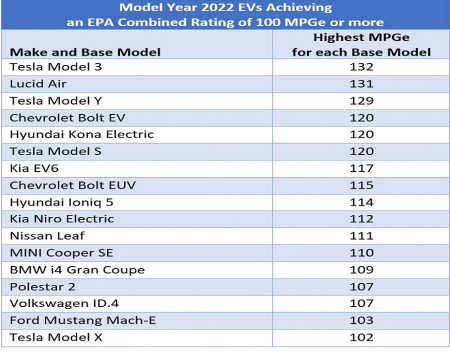
Tesla Model 3 is Most Efficient EV
Tesla 2021.44.30.11 Software Update

Tesla Cybertruck Modified For Military Use

Tesla Huge Sales Spike in Korea Shows What Buyers Want

Tesla Starts Shipping Model S Plaid With New Sport Seats

Rimac Pushes Two More Nevera Hhypercar EVs to US customers

Is Tesla a Solution to the Economy

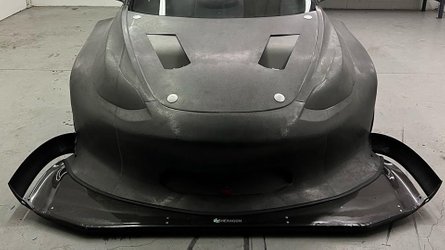
Tesla Model 3 That Crashed At Pikes Peak Reborn As Mean Electric Track Weapon
Tesla Model Y L Spotted in Australia