

Types
Brands
- Acura
- Afeela
- Alfa Romeo
- Alligator
- Apollo Automobil
- Aprilia
- Arch
- Arctic Cat
- Aston Martin
- Audi
- Bentley
- BMW
- Bollinger
- Boss Hoss
- Buell
- Bugatti
- Buick
- Cadillac
- CanAm
- Caterham
- Chevrolet
- Chrysler
- Citroen
- Cleveland CycleWerks
- Curtiss
- Dacia
- Dodge
- Ducati
- Ferrari
- Fiat
- Fisker
- Ford
- General Motors
- Genesis
- GMC
- Harley Davidson
- Honda
- Husqvarna
- Hyundai
- Indian
- Ineos
- Infiniti
- Jaguar
- Janus
- Jeep
- Karma
- Kawasaki
- Kia
- Koenigsegg
- KTM
- Lamborghini
- Land Rover
- Lexus
- Lightning
- Lincoln
- Lordstown
- Lotus
- Lucid Motors
- Maserati
- Mazda
- McLaren
- Mercedes
- Mercury
- MG
- Mini Cooper
- Mitsubishi
- Moto Guzzi
- MTT
- Nikola
- NIO
- Nissan
- Pagani
- Peugeot
- Piaggio
- Polaris
- Polestar
- Pontiac
- Porsche
- Ram
- Renault
- Rimac
- Rivian
- Rokon
- RollsRoyce
- Royal Enfield
- Saab
- Saturn
- Scion
- SEAT
- Ski-Doo
- Skoda
- Smart
- Spyker
- Subaru
- Suzuki
- Tesla
- Toyota
- Triumph
- Vauxhall
- Vespa
- VinFast
- Volkswagen
- Volvo
- Yamaha
- Z Electric Vehicle
- Zero Motorcycles
Article Categories
- Acura News
- Alfa Romeo News
- Aston Martin News
- Audi News
- Bentley News
- BMW News
- Buick News
- Cadillac News
- Car News
- Chevrolet News
- Chrysler News
- Dodge News
- Fiat News
- Ford News
- GMC News
- Honda News
- Hyundai News
- Infiniti News
- Jaguar News
- Jeep News
- Kia News
- Lexus News
- Lincoln News
- Mazda News
- Mercedes News
- Nissan News
- Porsche News
- Subaru News
- Tesla News
- Tips and Tricks
- Toyota News
- Volkswagen News
- Volvo News
More Articles
How do I identify and fix a car with a leaking radiator?
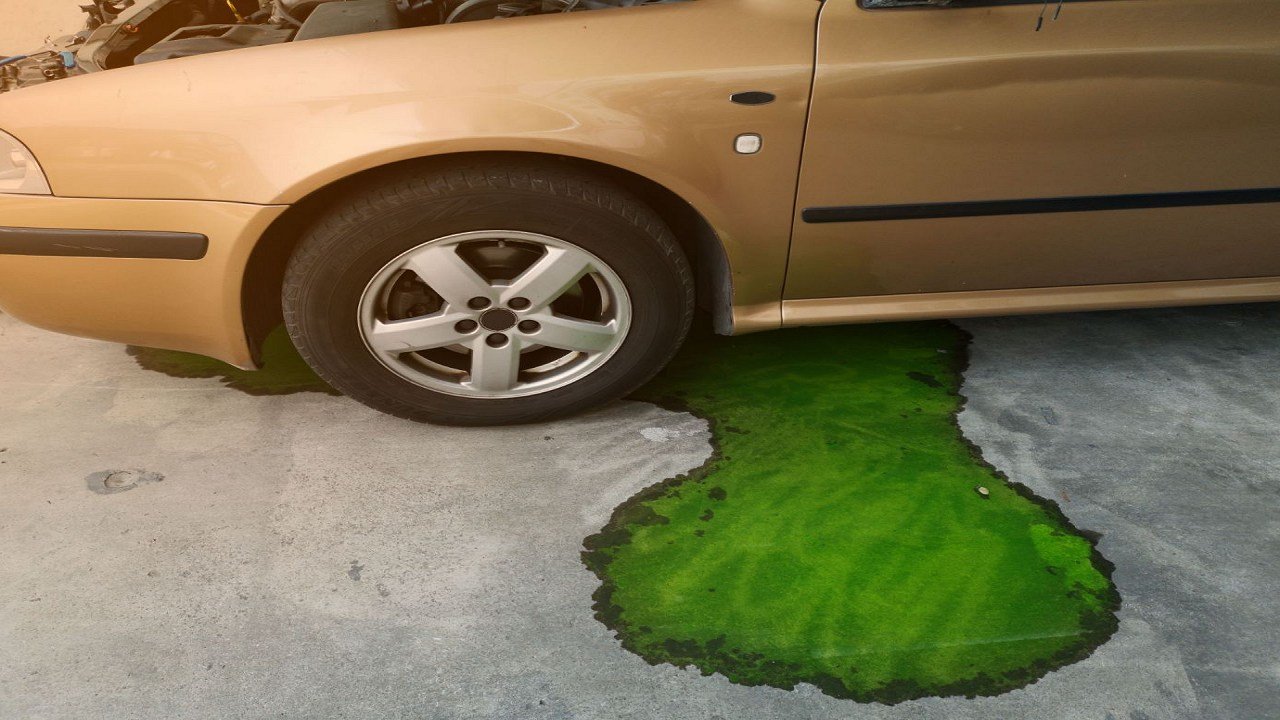
Identifying and fixing a leaking radiator in your car is crucial to prevent overheating and potential engine damage. Here are steps to help you identify and address a leaking radiator:
Safety First:
Before you begin, ensure the engine is completely cool. Opening a hot radiator can cause burns.
Park your car on a level surface and engage the parking brake.
Consider wearing safety gloves and eye protection.
Identify the Leak:
Look for signs of a radiator leak, such as puddles of coolant under the car, visible drips or stains on the radiator or hoses, or a drop in the coolant level in the reservoir.
Inspect the radiator, hoses, clamps, and connections for visible cracks, holes, or corrosion.
Pressure Test:
A cooling system pressure test can help pinpoint the source of the leak. You can purchase a pressure testing kit from an auto parts store or borrow one from a local mechanic.
Tighten Hose Clamps:
Sometimes, a leaking radiator hose can be fixed by simply tightening the hose clamps. Use pliers to tighten them, but be careful not to overtighten and damage the hose.
Patching Small Leaks:
If you identify a small radiator leak or crack, you may be able to temporarily patch it with a commercial radiator sealant. Follow the product's instructions carefully.
Replace the Radiator Cap:
A faulty radiator cap can cause leaks. If the cap isn't sealing properly, it can allow coolant to escape. Consider replacing the radiator cap.
Inspect Hoses:
Check all radiator hoses for signs of wear, cracks, or damage. Replace any damaged hoses as needed. Ensure that hose connections are secure.
Replace the Radiator:
If the leak is coming from the radiator itself and it's severely damaged, corroded, or beyond repair, you'll likely need to replace the radiator.
Replacing the radiator is a more involved task and may require draining the coolant and removing various components. Consider seeking professional help if you're not comfortable with this process.
Refill with Coolant:
After addressing the leak, refill the cooling system with the appropriate type of coolant as recommended in your vehicle's owner's manual. Ensure it's mixed with water in the correct ratio if required.
Monitor for Leaks: - After making repairs or replacing parts, run the engine and monitor for any new leaks. - Keep an eye on the coolant level and top it off if needed.
Professional Assistance: - If you're unsure about identifying or fixing the leak or if it's a major issue like a cracked radiator, consider seeking help from a qualified mechanic.
Remember that the cooling system is a critical component of your vehicle, and addressing radiator leaks promptly is essential to prevent engine damage and overheating. If you're not comfortable making the repairs yourself, it's advisable to have a professional mechanic inspect and fix the issue.
Identifying and fixing a leaking radiator in your car is crucial to prevent overheating and potential engine damage. Here are steps to help you identify and address a leaking radiator:
Safety First:
Before you begin, ensure the engine is completely cool. Opening a hot radiator can cause burns.
Park your car on a level surface and engage the parking brake.
Consider wearing safety gloves and eye protection.
Identify the Leak:
Look for signs of a radiator leak, such as puddles of coolant under the car, visible drips or stains on the radiator or hoses, or a drop in the coolant level in the reservoir.
Inspect the radiator, hoses, clamps, and connections for visible cracks, holes, or corrosion.
Pressure Test:
A cooling system pressure test can help pinpoint the source of the leak. You can purchase a pressure testing kit from an auto parts store or borrow one from a local mechanic.
Tighten Hose Clamps:
Sometimes, a leaking radiator hose can be fixed by simply tightening the hose clamps. Use pliers to tighten them, but be careful not to overtighten and damage the hose.
Patching Small Leaks:
If you identify a small radiator leak or crack, you may be able to temporarily patch it with a commercial radiator sealant. Follow the product's instructions carefully.
Replace the Radiator Cap:
A faulty radiator cap can cause leaks. If the cap isn't sealing properly, it can allow coolant to escape. Consider replacing the radiator cap.
Inspect Hoses:
Check all radiator hoses for signs of wear, cracks, or damage. Replace any damaged hoses as needed. Ensure that hose connections are secure.
Replace the Radiator:
If the leak is coming from the radiator itself and it's severely damaged, corroded, or beyond repair, you'll likely need to replace the radiator.
Replacing the radiator is a more involved task and may require draining the coolant and removing various components. Consider seeking professional help if you're not comfortable with this process.
Refill with Coolant:
After addressing the leak, refill the cooling system with the appropriate type of coolant as recommended in your vehicle's owner's manual. Ensure it's mixed with water in the correct ratio if required.
Monitor for Leaks: - After making repairs or replacing parts, run the engine and monitor for any new leaks. - Keep an eye on the coolant level and top it off if needed.
Professional Assistance: - If you're unsure about identifying or fixing the leak or if it's a major issue like a cracked radiator, consider seeking help from a qualified mechanic.
Remember that the cooling system is a critical component of your vehicle, and addressing radiator leaks promptly is essential to prevent engine damage and overheating. If you're not comfortable making the repairs yourself, it's advisable to have a professional mechanic inspect and fix the issue.
2023 Porsche 718 Cayman and Boxster lineup add Style Editions

Tesla Launches Megapack Controls Platform CHIL Crushing Competitors

Tesla Cybertruck Spotted in the Wild with Covered Bed
Elon Musk Decides Not To Join Twitter Board

Hyundai and Kia say they’re seeing strong demand for EVs in the US

Former Nikola CEO Trevor Milton Defends Himself

Tesla’s Cybercab takes workers for a ride at Giga Texas

Tesla Stands to Gain From Ford

Review: Volkswagen ID.Buzz EV is tripping on the future

Geneva motor show confirms return in 2023