

Types
Brands
- Acura
- Afeela
- Alfa Romeo
- Alligator
- Apollo Automobil
- Aprilia
- Arch
- Arctic Cat
- Aston Martin
- Audi
- Bentley
- BMW
- Bollinger
- Boss Hoss
- Buell
- Bugatti
- Buick
- Cadillac
- CanAm
- Caterham
- Chevrolet
- Chrysler
- Citroen
- Cleveland CycleWerks
- Curtiss
- Dacia
- Dodge
- Ducati
- Ferrari
- Fiat
- Fisker
- Ford
- General Motors
- Genesis
- GMC
- Harley Davidson
- Honda
- Husqvarna
- Hyundai
- Indian
- Ineos
- Infiniti
- Jaguar
- Janus
- Jeep
- Karma
- Kawasaki
- Kia
- Koenigsegg
- KTM
- Lamborghini
- Land Rover
- Lexus
- Lightning
- Lincoln
- Lordstown
- Lotus
- Lucid Motors
- Maserati
- Mazda
- McLaren
- Mercedes
- Mercury
- MG
- Mini Cooper
- Mitsubishi
- Moto Guzzi
- MTT
- Nikola
- NIO
- Nissan
- Pagani
- Peugeot
- Piaggio
- Polaris
- Polestar
- Pontiac
- Porsche
- Ram
- Renault
- Rimac
- Rivian
- Rokon
- RollsRoyce
- Royal Enfield
- Saab
- Saturn
- Scion
- SEAT
- Ski-Doo
- Skoda
- Smart
- Spyker
- Subaru
- Suzuki
- Tesla
- Toyota
- Triumph
- Vauxhall
- Vespa
- VinFast
- Volkswagen
- Volvo
- Yamaha
- Z Electric Vehicle
- Zero Motorcycles
Article Categories
- Acura News
- Alfa Romeo News
- Aston Martin News
- Audi News
- Bentley News
- BMW News
- Buick News
- Cadillac News
- Car News
- Chevrolet News
- Chrysler News
- Dodge News
- Fiat News
- Ford News
- GMC News
- Honda News
- Hyundai News
- Infiniti News
- Jaguar News
- Jeep News
- Kia News
- Lexus News
- Lincoln News
- Mazda News
- Mercedes News
- Nissan News
- Porsche News
- Subaru News
- Tesla News
- Tips and Tricks
- Toyota News
- Volkswagen News
- Volvo News
More Articles
How do I diagnose and fix a car with a rough ride?
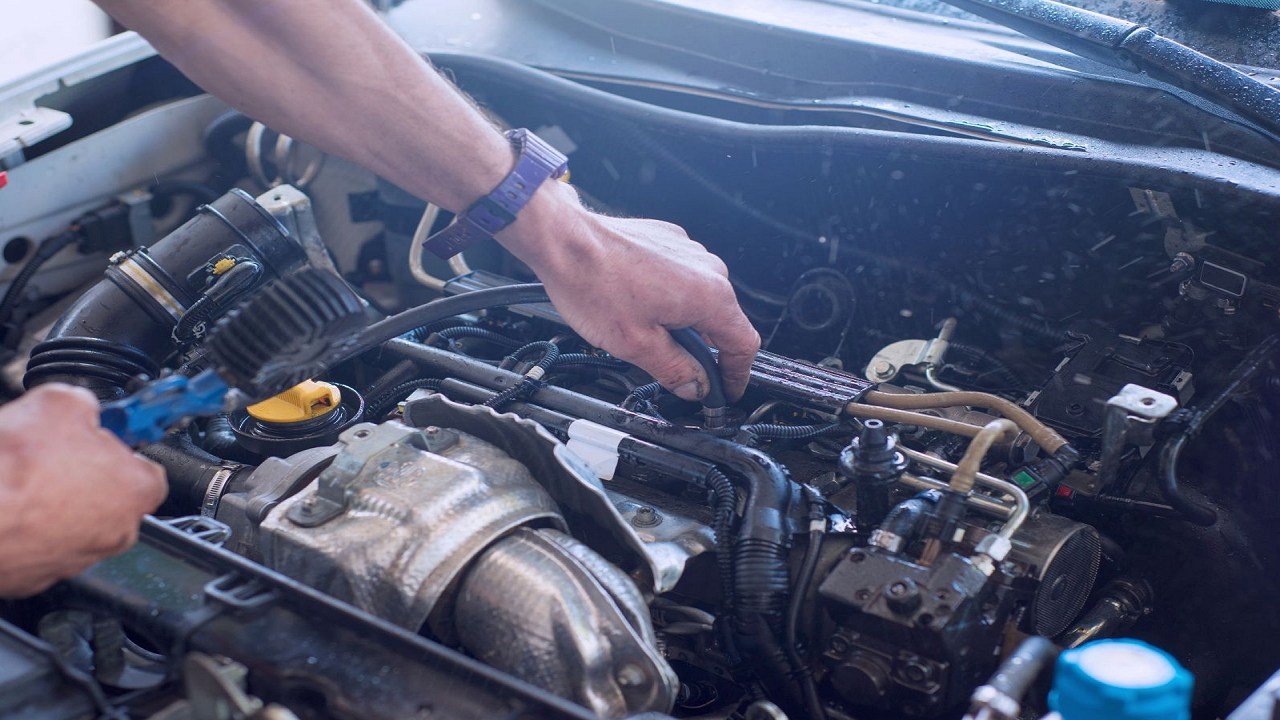
Experiencing a rough ride in your car can be caused by a variety of factors related to the suspension, tires, wheels, and more. Diagnosing and fixing a rough ride involves a systematic approach to identifying the underlying issues. Here are steps you can take to diagnose and potentially address the problem:
Check Tire Pressure:
Incorrect tire pressure can lead to a rough ride. Make sure all tires are properly inflated to the recommended pressure as stated in the owner's manual or on the door placard.
Inspect Tires:
Visually inspect the tires for any signs of damage, uneven wear, or bulges. Uneven tire wear could indicate alignment or suspension issues.
Check Wheel Alignment:
Improper wheel alignment can cause a rough ride. If your car tends to pull to one side or if the steering wheel isn't centered when driving straight, it might be time for a wheel alignment.
Suspension Inspection:
Check the suspension components for any visible damage or wear, including shocks, struts, control arms, bushings, and springs.
Check for Loose or Worn Parts:
Loose or worn suspension parts can contribute to a rough ride. Inspect components like ball joints and tie rod ends for play or wear.
Balance and Rotate Tires:
Unbalanced or improperly rotated tires can lead to vibrations and a rough ride. Have your tires balanced and rotated according to the manufacturer's recommendations.
Inspect Shock Absorbers and Struts:
Worn-out shock absorbers or struts can result in a bumpy ride. If your car bounces excessively after hitting a bump, these components might need replacement.
Check for Bent Wheels:
Bent or damaged wheels can cause vibrations and an uneven ride. Inspect your wheels for visible damage.
Evaluate Road Conditions:
Sometimes, rough roads can make your ride feel rough. However, if you're experiencing a consistently rough ride on roads that are normally smooth, it's likely due to a mechanical issue.
Seek Professional Help:
If you're unsure about diagnosing the issue or don't have the necessary tools, consider taking your car to a professional mechanic. They have the expertise and equipment to diagnose and fix the problem.
Note: Keep in mind that a rough ride could also be caused by issues that are not related to the suspension, such as engine problems or transmission issues. If you're unable to identify the cause of the rough ride on your own, it's best to consult a qualified mechanic to ensure accurate diagnosis and proper repairs.
Experiencing a rough ride in your car can be caused by a variety of factors related to the suspension, tires, wheels, and more. Diagnosing and fixing a rough ride involves a systematic approach to identifying the underlying issues. Here are steps you can take to diagnose and potentially address the problem:
Check Tire Pressure:
Incorrect tire pressure can lead to a rough ride. Make sure all tires are properly inflated to the recommended pressure as stated in the owner's manual or on the door placard.
Inspect Tires:
Visually inspect the tires for any signs of damage, uneven wear, or bulges. Uneven tire wear could indicate alignment or suspension issues.
Check Wheel Alignment:
Improper wheel alignment can cause a rough ride. If your car tends to pull to one side or if the steering wheel isn't centered when driving straight, it might be time for a wheel alignment.
Suspension Inspection:
Check the suspension components for any visible damage or wear, including shocks, struts, control arms, bushings, and springs.
Check for Loose or Worn Parts:
Loose or worn suspension parts can contribute to a rough ride. Inspect components like ball joints and tie rod ends for play or wear.
Balance and Rotate Tires:
Unbalanced or improperly rotated tires can lead to vibrations and a rough ride. Have your tires balanced and rotated according to the manufacturer's recommendations.
Inspect Shock Absorbers and Struts:
Worn-out shock absorbers or struts can result in a bumpy ride. If your car bounces excessively after hitting a bump, these components might need replacement.
Check for Bent Wheels:
Bent or damaged wheels can cause vibrations and an uneven ride. Inspect your wheels for visible damage.
Evaluate Road Conditions:
Sometimes, rough roads can make your ride feel rough. However, if you're experiencing a consistently rough ride on roads that are normally smooth, it's likely due to a mechanical issue.
Seek Professional Help:
If you're unsure about diagnosing the issue or don't have the necessary tools, consider taking your car to a professional mechanic. They have the expertise and equipment to diagnose and fix the problem.
Note: Keep in mind that a rough ride could also be caused by issues that are not related to the suspension, such as engine problems or transmission issues. If you're unable to identify the cause of the rough ride on your own, it's best to consult a qualified mechanic to ensure accurate diagnosis and proper repairs.
Tesla Model 3 Project Highland Spy Shots Reveal New Headlights Tail Lights
Mercedes-Benz AMG One hits the Ring in possible record attempt preparation

UAW Says Stellantis CEO Needs to Go

Teslas Next Growth Phase Boosted By Model 2 Is Years Away

2022 Chevrolet Corvette Stingray Coupe 2LT Review & Test Drive
Tesla Wins Best Overall Luxury Brand Again Kelley Blue Book

Tesla Stock Gets Boost from Deutsche Bank Ahead of Deliveries

Top Takeaways From Teslas 2023 Shareholder Meeting

New Car Preview: 2023 Honda HR-V Redesign Based on New Civic Coming Soon

Elon Rips ABC News Over Fatal Tesla Crash Report