


Types
Brands
- Acura
- Afeela
- Alfa Romeo
- Alligator
- Apollo Automobil
- Aprilia
- Arch
- Arctic Cat
- Aston Martin
- Audi
- Bentley
- BMW
- Bollinger
- Boss Hoss
- Buell
- Bugatti
- Buick
- Cadillac
- CanAm
- Caterham
- Chevrolet
- Chrysler
- Citroen
- Cleveland CycleWerks
- Curtiss
- Dacia
- Dodge
- Ducati
- Ferrari
- Fiat
- Fisker
- Ford
- General Motors
- Genesis
- GMC
- Harley Davidson
- Honda
- Husqvarna
- Hyundai
- Indian
- Ineos
- Infiniti
- Jaguar
- Janus
- Jeep
- Karma
- Kawasaki
- Kia
- Koenigsegg
- KTM
- Lamborghini
- Land Rover
- Lexus
- Lightning
- Lincoln
- Lordstown
- Lotus
- Lucid Motors
- Maserati
- Mazda
- McLaren
- Mercedes
- Mercury
- MG
- Mini Cooper
- Mitsubishi
- Moto Guzzi
- MTT
- Nikola
- NIO
- Nissan
- Pagani
- Peugeot
- Piaggio
- Polaris
- Polestar
- Pontiac
- Porsche
- Ram
- Renault
- Rimac
- Rivian
- Rokon
- RollsRoyce
- Royal Enfield
- Saab
- Saturn
- Scion
- SEAT
- Ski-Doo
- Skoda
- Smart
- Spyker
- Subaru
- Suzuki
- Tesla
- Toyota
- Triumph
- Vauxhall
- Vespa
- VinFast
- Volkswagen
- Volvo
- Yamaha
- Z Electric Vehicle
- Zero Motorcycles
Article Categories
- Acura News
- Alfa Romeo News
- Aston Martin News
- Audi News
- Bentley News
- BMW News
- Buick News
- Cadillac News
- Car News
- Chevrolet News
- Chrysler News
- Dodge News
- Fiat News
- Ford News
- GMC News
- Honda News
- Hyundai News
- Infiniti News
- Jaguar News
- Jeep News
- Kia News
- Lexus News
- Lincoln News
- Mazda News
- Mercedes News
- Nissan News
- Porsche News
- Subaru News
- Tesla News
- Tips and Tricks
- Toyota News
- Volkswagen News
- Volvo News
More Articles
How Are Cars Built? 5 Steps in the Car Manufacturing Process
[BACK]

Posted On: May 10, 2022
Millions of cars are manufactured worldwide each year, and production processes have evolved significantly in order to improve efficiency, drive down costs and accommodate increased demand.
There are a few key steps to complete to bring a car from the drawing board to the showroom, so let’s look at the main points along the auto manufacturing journey.
Constructing the Automobile Frame, e.g. Using a CNC Machine
The frame is the thing that underpins every vehicle, and upon which all of the other components are positioned.
A combination of techniques and pieces of equipment are used to construct the frame, with CNC gear allowing for a lot of automation throughout. And because this industry is so vast, there are plenty of used CNC machines for sale which were initially part of mainstream automotive production lines, but are subsequently sold on to smaller operations, creating an affordable entry point for startups.
Stamping Body Panels & Exterior Elements
Sheet metal is used for the construction of most exterior aspects of a typical car, with things like door panels, wings, trunks and hoods being stamped from this material.
Steel is often preferred for more affordable vehicles, offering cost-effectiveness and durability. Sportier models may use aluminum in its place, because it is lighter.
Range-topping performance vehicles will make the switch from sheet metal to carbon fiber, which is incredibly tough as well as very light weight. However, because it is trickier to manufacture, it is also much more expensive.
Welding Components Together
With the frame and the body panels prepared, the job of welding them together can commence.
As you’d expect, much of this work is completed almost entirely via automation, with robotic arms positioning parts in the right place and completing the welds needed far faster than any human could hope to achieve.
Obviously welding is required in the case of sheet metal being used, but if body panels made of materials like carbon fiber are preferred for a given model, then a more methodical and hands-on approach to this step in the manufacturing process is needed.
Painting
One the frame is married to the body panels, the skeleton and skin of a car are unified, and it’s time to think about applying the paint.
Modern methods involve applying three or more layers of paint, which not only makes the vehicle look its best, but also protects the underlying materials from wear and tear caused by the elements.
Some manufacturers will apply paint protection film on top of this prior to delivering to the customer, although this is usually an optional extra and again only makes sense for the most expensive autos on the modern market.
Assembly
The final part of the car manufacturing process is what’s known as assembly. This is where the basic underpinnings of the vehicle that we’ve described so far will be married to the various other components and accessories, many of which will either have been produced off-site, or in a separate part of the manufacturing facility.
The engine will be installed, alongside the wiring looms, the lights, the dash and displays, the door cards, seats and so on.
While lots of assembly lines are automated to a degree, a lot of the work at this point still requires the involvement of human operators.
All of this will be capped off with a rigorous series of tests and inspections to ensure that the ideal quality is achieved and that various regulations and standards are met. After this, it’s time for the vehicle to be shipped out, whether to dealerships or direct to customers!
Reposted From Source: automotiveaddicts.com
[BACK]
[BACK]Posted On: May 10, 2022
Millions of cars are manufactured worldwide each year, and production processes have evolved significantly in order to improve efficiency, drive down costs and accommodate increased demand.
There are a few key steps to complete to bring a car from the drawing board to the showroom, so let’s look at the main points along the auto manufacturing journey.
Constructing the Automobile Frame, e.g. Using a CNC Machine
The frame is the thing that underpins every vehicle, and upon which all of the other components are positioned.
A combination of techniques and pieces of equipment are used to construct the frame, with CNC gear allowing for a lot of automation throughout. And because this industry is so vast, there are plenty of used CNC machines for sale which were initially part of mainstream automotive production lines, but are subsequently sold on to smaller operations, creating an affordable entry point for startups.
Stamping Body Panels & Exterior Elements
Sheet metal is used for the construction of most exterior aspects of a typical car, with things like door panels, wings, trunks and hoods being stamped from this material.
Steel is often preferred for more affordable vehicles, offering cost-effectiveness and durability. Sportier models may use aluminum in its place, because it is lighter.
Range-topping performance vehicles will make the switch from sheet metal to carbon fiber, which is incredibly tough as well as very light weight. However, because it is trickier to manufacture, it is also much more expensive.
Welding Components Together
With the frame and the body panels prepared, the job of welding them together can commence.
As you’d expect, much of this work is completed almost entirely via automation, with robotic arms positioning parts in the right place and completing the welds needed far faster than any human could hope to achieve.
Obviously welding is required in the case of sheet metal being used, but if body panels made of materials like carbon fiber are preferred for a given model, then a more methodical and hands-on approach to this step in the manufacturing process is needed.
Painting
One the frame is married to the body panels, the skeleton and skin of a car are unified, and it’s time to think about applying the paint.
Modern methods involve applying three or more layers of paint, which not only makes the vehicle look its best, but also protects the underlying materials from wear and tear caused by the elements.
Some manufacturers will apply paint protection film on top of this prior to delivering to the customer, although this is usually an optional extra and again only makes sense for the most expensive autos on the modern market.
Assembly
The final part of the car manufacturing process is what’s known as assembly. This is where the basic underpinnings of the vehicle that we’ve described so far will be married to the various other components and accessories, many of which will either have been produced off-site, or in a separate part of the manufacturing facility.
The engine will be installed, alongside the wiring looms, the lights, the dash and displays, the door cards, seats and so on.
While lots of assembly lines are automated to a degree, a lot of the work at this point still requires the involvement of human operators.
All of this will be capped off with a rigorous series of tests and inspections to ensure that the ideal quality is achieved and that various regulations and standards are met. After this, it’s time for the vehicle to be shipped out, whether to dealerships or direct to customers!
Reposted From Source: automotiveaddicts.com
Tesla Explains Why Robotaxis Now Have Safety Monitors
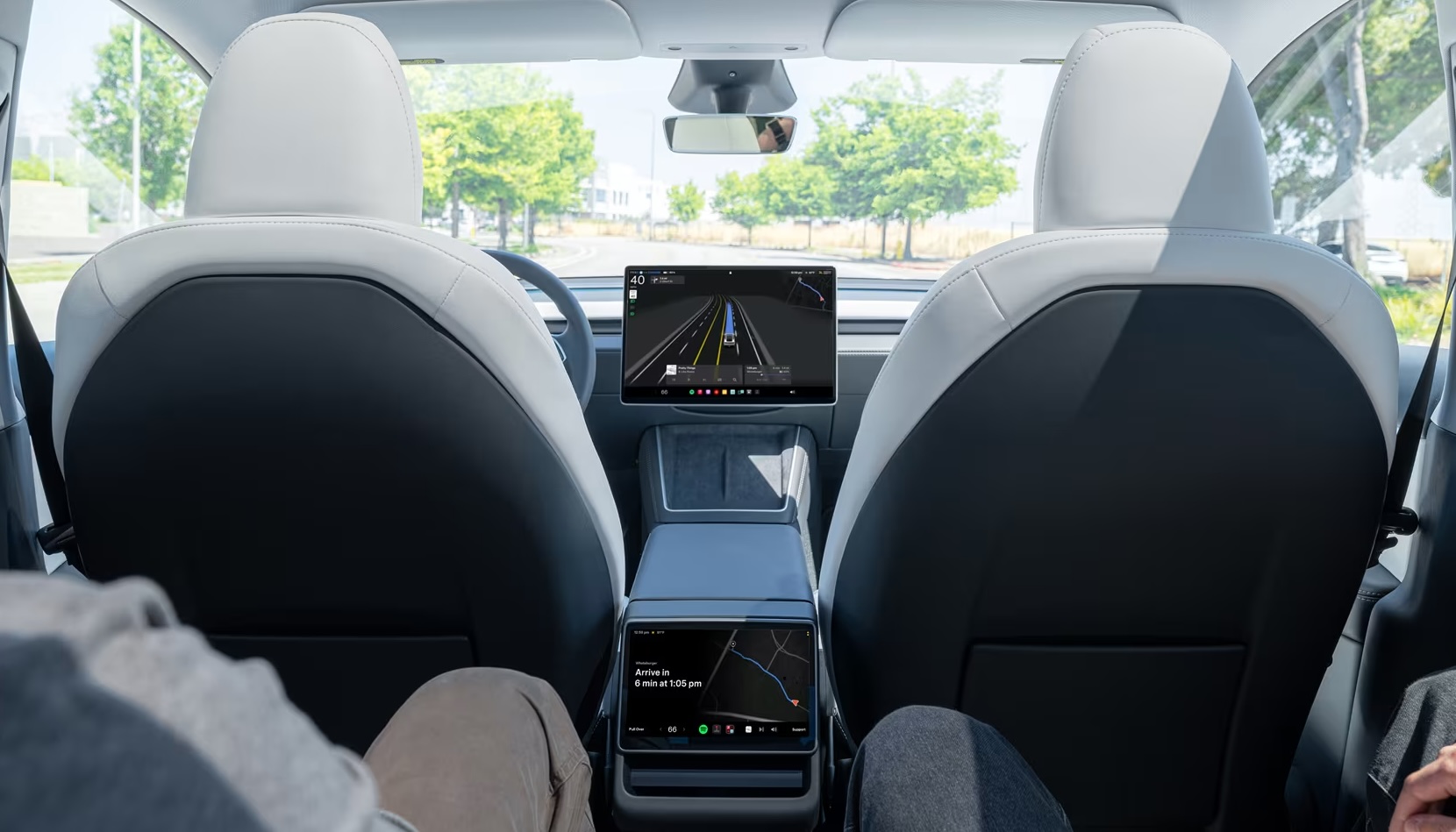
Posted On: September 4, 2025
Tesla has provided an explanation about the presence of safety monitors in the driver’s seat of its autonomous Robotaxi units.
The autonomous ride-hailing service is currently being deployed ...[More]Tesla Deployed 14 GWh Of EV Batteries In September
Posted On: November 26, 2022
Tesla consumes some astonishing volumes of lithium-ion batteries to fuel its sales growth. Today we will take a look at some of the results through September.
According to Adamas Intelligence, Sept...[More]Tesla Quietly Introduces New Powerwall Home Energy Storage
Posted On: September 12, 2023
The Tesla Powerwall is one of the most popular home battery energy storage systems, which earlier this year reached 500,000 global installations.
According to the most recent reports, Tesla quietly...[More]Tesla Said To Step Up Driver Monitoring To Track Yawns Blinks
Posted On: May 15, 2023
Tesla is reportedly stepping up driver monitoring in its vehicles, with the system now tracking yawns, blinks, and more in order to detect how drowsy a driver is.
Ever since Tesla introduced the ca...[More]Tesla Fremont Factory Celebrates One Million Model Y Production
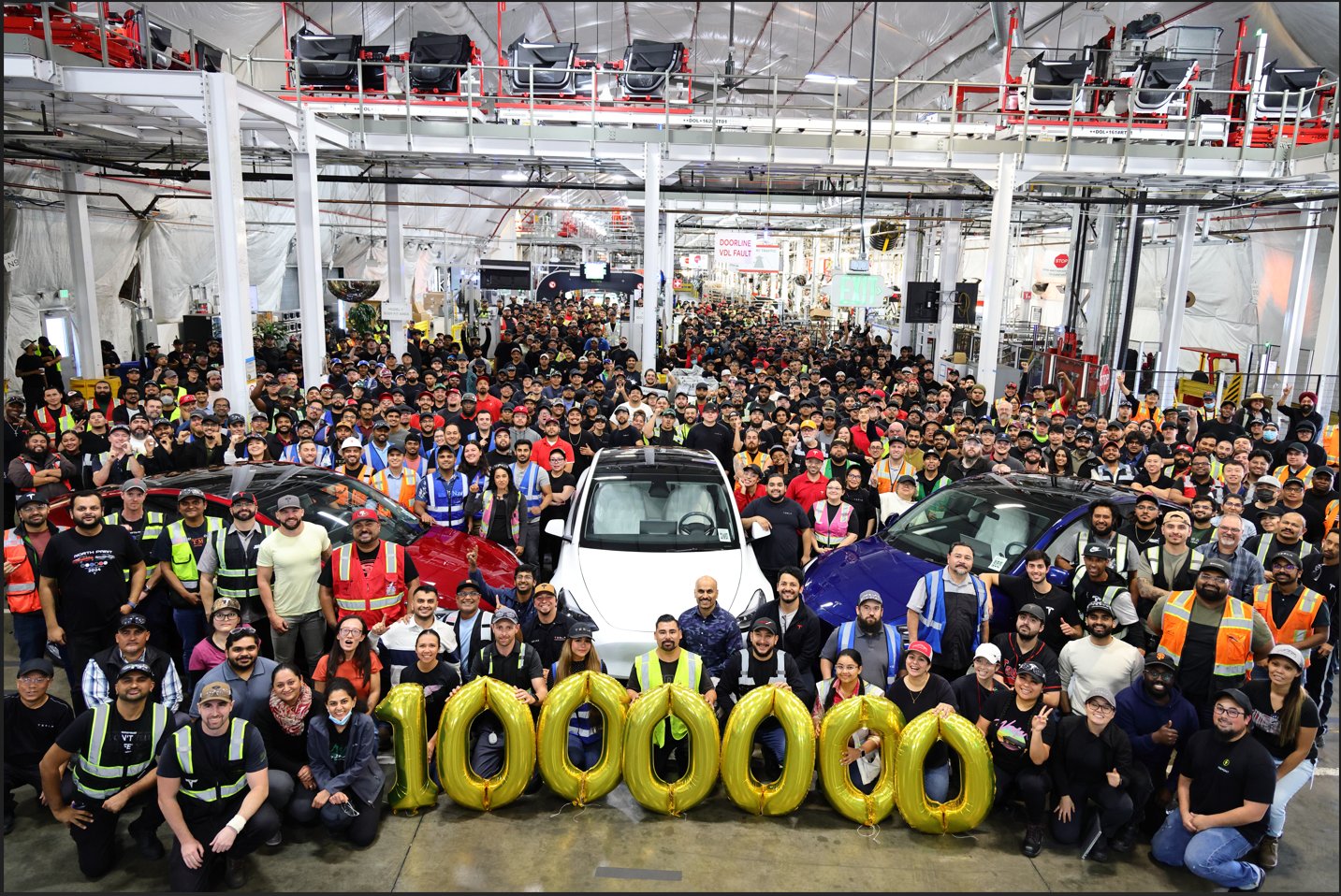
Posted On: October 26, 2024
Just days after announcing that it had produced its 7 millionth vehicle, Tesla announced that the Fremont Factory has produced its 1 millionth Model Y from GA4.
This is an incredible achievement, c...[More]Judge Finds Reasonable Evidence That Tesla Autopilot Was Defective
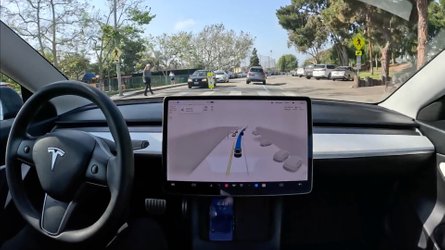
Posted On: November 24, 2023
A Florida judge found "reasonable evidence that Tesla, along with its CEO Elon Musk and other managers, knew that the so-called Autopilot advanced driver assistance system was defective but still...[More]Tesla Model 3 and Y Among 2023 Cost to Own Award Winners
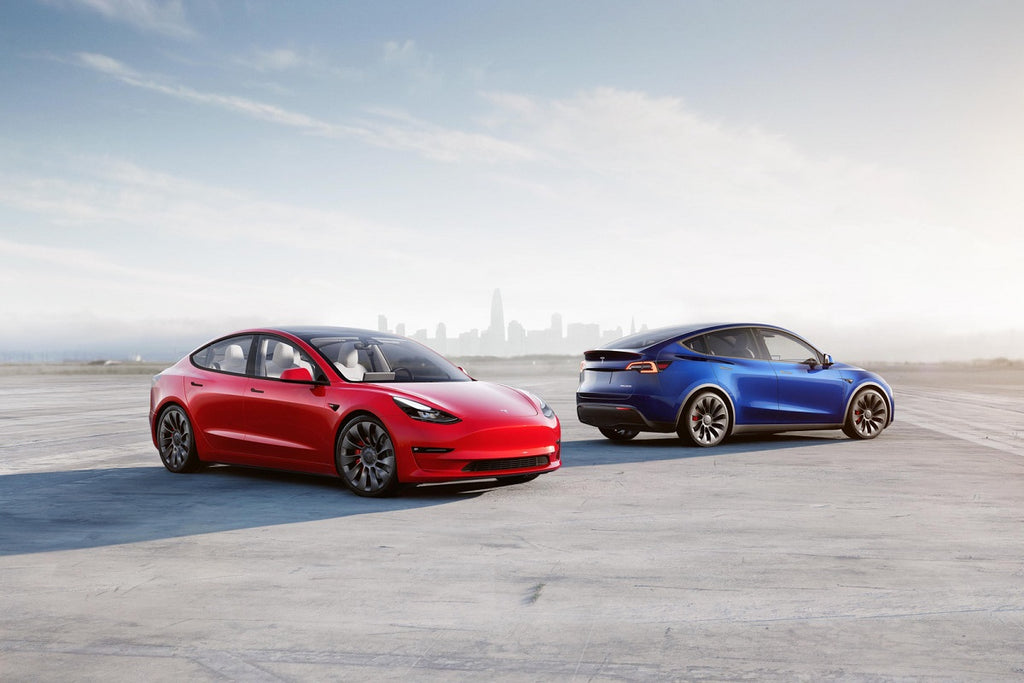
Posted On: April 28, 2023
Tesla Model 3 and Model Y are among the 2023 5-Year Cost to Own Award winners.
The cars have become the best in their segments.
In addition to spending a certain amount on the purchase of a...[More]Tesla Range Adjustments Hit Most of Vehicle Lineup
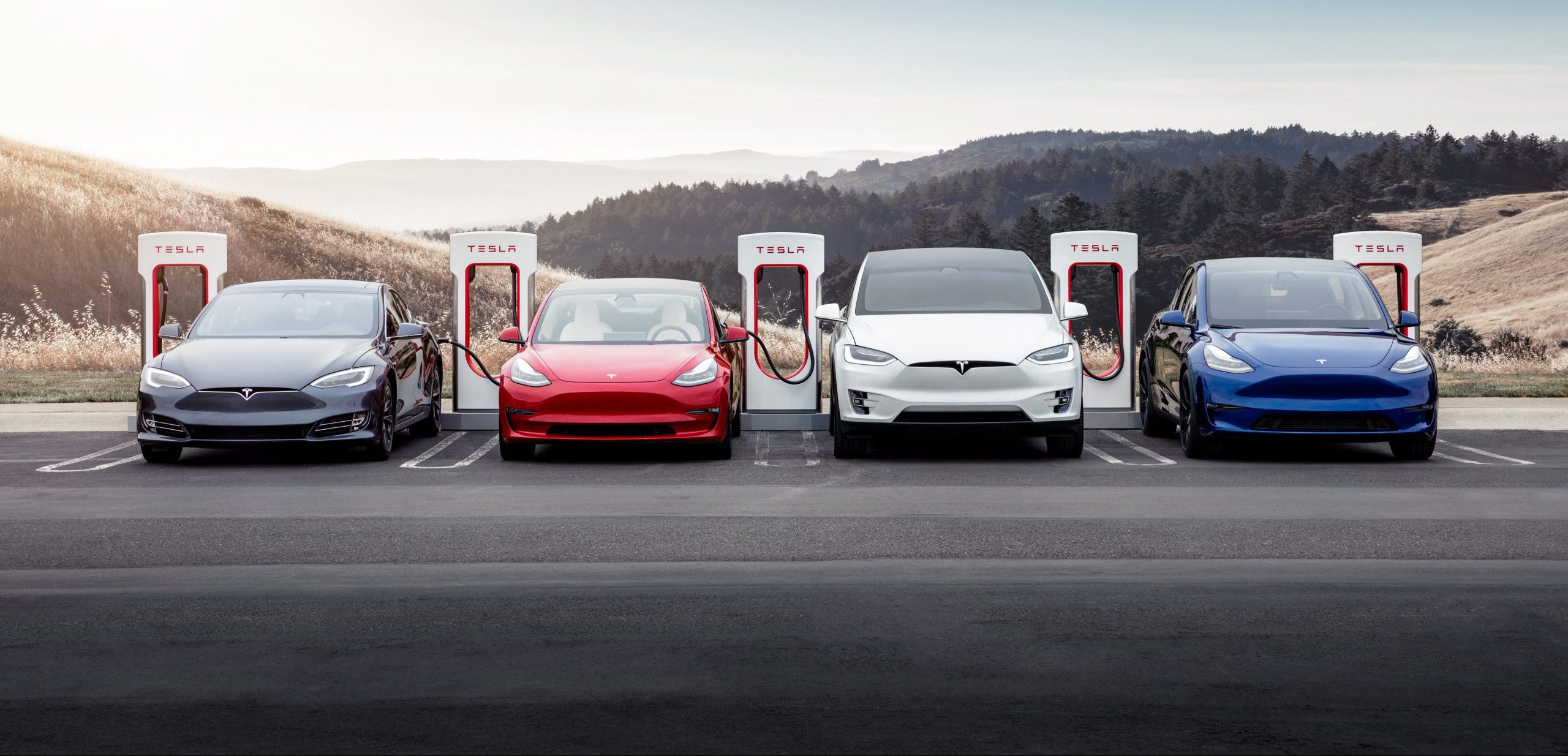
Posted On: January 5, 2024
Tesla has adjusted ranges for the Model S, Model X, and Model Y as adjustments to the EPA testing strategy for electric vehicles have added more realistic expectations for driving distance.
The Mod...[More]Fully Loaded BMW iX M60 Is Better Value Than An X5 M Competition
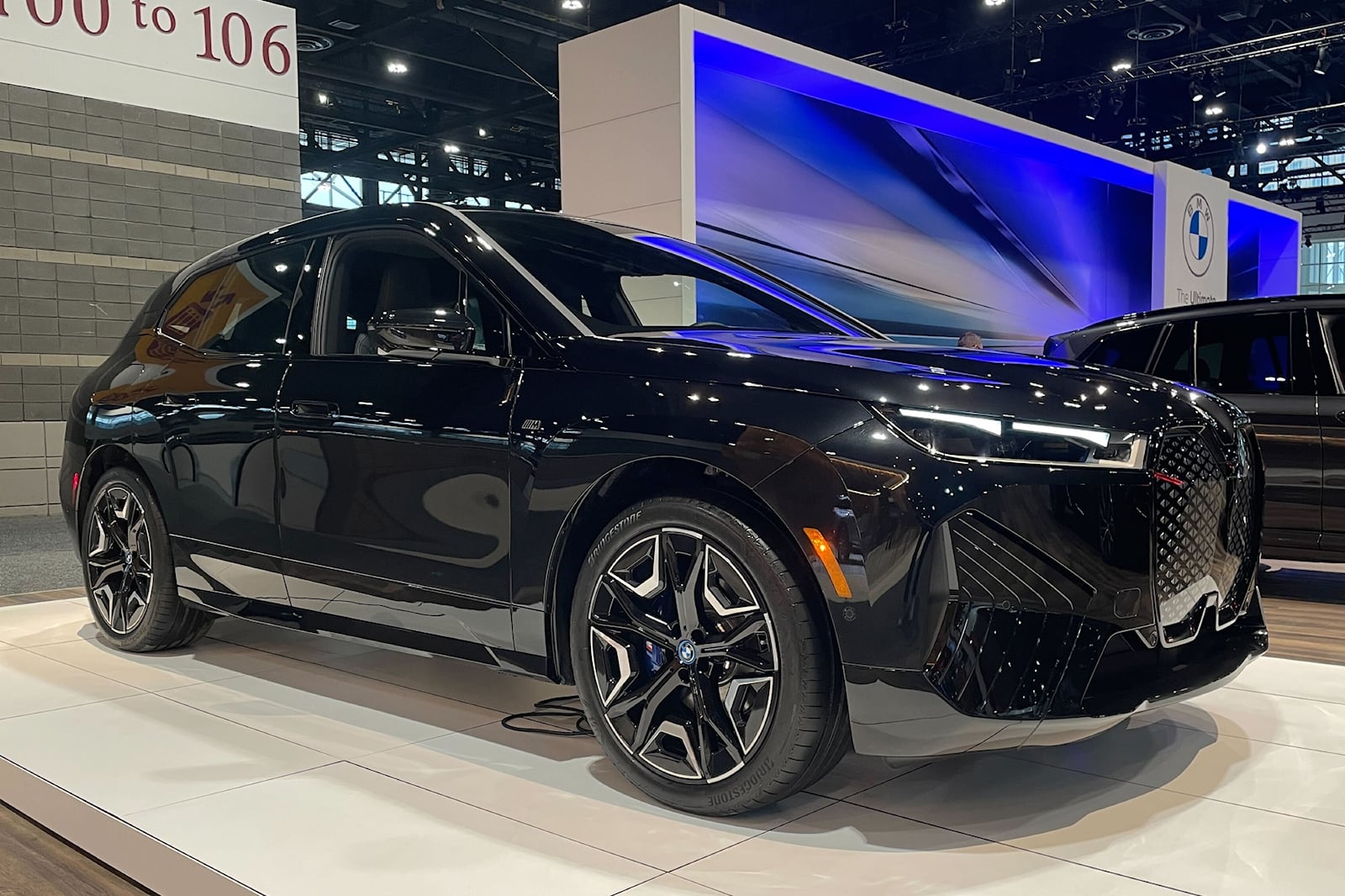
Posted On: February 21, 2022
At the recent Chicago Auto Show, one of BMW's most impressive models on display was the iX M60. With 610 horsepower and up to 811 lb-ft of torque, this powerful electric SUV will hit 60 mph in just 3....[More]Tesla cars will be smarter than humans by 2033

Posted On: September 2, 2022
Tesla cars will be smarter than humans by 2033, according to a new study by car and van leasing company, Vanarama. Vanarama performed an analysis of the processing power of Tesla's microchips to f...[More]