


Types
Brands
- Acura
- Afeela
- Alfa Romeo
- Alligator
- Apollo Automobil
- Aprilia
- Arch
- Arctic Cat
- Aston Martin
- Audi
- Bentley
- BMW
- Bollinger
- Boss Hoss
- Buell
- Bugatti
- Buick
- Cadillac
- CanAm
- Caterham
- Chevrolet
- Chrysler
- Citroen
- Cleveland CycleWerks
- Curtiss
- Dacia
- Dodge
- Ducati
- Ferrari
- Fiat
- Fisker
- Ford
- General Motors
- Genesis
- GMC
- Harley Davidson
- Honda
- Husqvarna
- Hyundai
- Indian
- Ineos
- Infiniti
- Jaguar
- Janus
- Jeep
- Karma
- Kawasaki
- Kia
- Koenigsegg
- KTM
- Lamborghini
- Land Rover
- Lexus
- Lightning
- Lincoln
- Lordstown
- Lotus
- Lucid Motors
- Maserati
- Mazda
- McLaren
- Mercedes
- Mercury
- MG
- Mini Cooper
- Mitsubishi
- Moto Guzzi
- MTT
- Nikola
- NIO
- Nissan
- Pagani
- Peugeot
- Piaggio
- Polaris
- Polestar
- Pontiac
- Porsche
- Ram
- Renault
- Rimac
- Rivian
- Rokon
- RollsRoyce
- Royal Enfield
- Saab
- Saturn
- Scion
- SEAT
- Ski-Doo
- Skoda
- Smart
- Spyker
- Subaru
- Suzuki
- Tesla
- Toyota
- Triumph
- Vauxhall
- Vespa
- VinFast
- Volkswagen
- Volvo
- Yamaha
- Z Electric Vehicle
- Zero Motorcycles
Article Categories
- Acura News
- Alfa Romeo News
- Aston Martin News
- Audi News
- Bentley News
- BMW News
- Buick News
- Cadillac News
- Car News
- Chevrolet News
- Chrysler News
- Dodge News
- Fiat News
- Ford News
- GMC News
- Honda News
- Hyundai News
- Infiniti News
- Jaguar News
- Jeep News
- Kia News
- Lexus News
- Lincoln News
- Mazda News
- Mercedes News
- Nissan News
- Porsche News
- Subaru News
- Tesla News
- Tips and Tricks
- Toyota News
- Volkswagen News
- Volvo News
More Articles
4 Things You Should Know if You Want to Design Your Own Car
[BACK]
Posted On: November 7, 2022
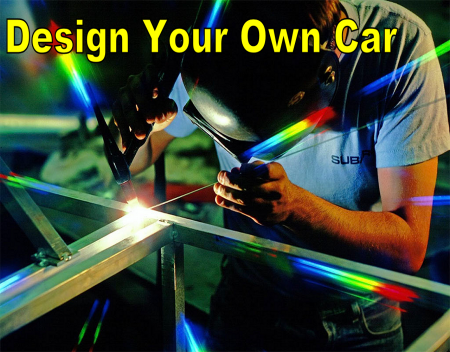
To many people, cars are a means of commuting, while to others, they are an expression of status and preferences. If you are among the latter group and feel that none of the options in the market satisfy your taste, you could create your car from scratch.
But building your car from scratch presents quite some challenges you may want to be aware of before starting. This guide highlights the most critical thing you need to know before you get started.
It Is Legal
The first question on your mind about building your car from scratch is if it is legal. The answer to this question is yes, but only if you live in countries such as the US, Canada, India, and the UK.
In Canada, you can build any vehicle you want. This includes the normal cars, squads, excavators, motorcycles, farm tractors, bulldozers, planes, boats, and every other vehicle you can think of, including rockets.
However, you must meet the standards for road usage clearance and get certification from the relevant bodies to operate the vehicle in public spaces. These regulations may differ from region to region, so before you take your first step in building your car, you must familiarize yourself with all applicable laws.
You Don’t Have to Build Everything Yourself
Countries have different laws for what you can call a self-built car. In some countries, you must make some critical parts of the car yourself, for example, the car chassis, if you want to register a car as self-made.
If your concern is not having a car fit in the self-build category, you can outsource parts and expertise as long as they align with your idea. The best approach to this is buying a car kit, which is a collection of all the necessary parts for building a car.
Using a car kit is much easier as the parts are tested and proven, which can help increase the chances of having your car approved on public roads. If you want unique parts, you can work with a part manufacturer to have custom-made parts, which may come at a much higher price.
Understanding Industrial Design Rights
If you want to build a unique car, you will need to start by drawing your designs. When creating a design, you must ensure that you do not infringe on the industrial design rights of another car maker.
Designers with unique designs can get exclusive rights to their designs by registering them with the Canadian Intellectual Property Office (CIPO). If your car has significantly unique features, you may consider registering the design with CIPO.
Protecting your industrial design rights by registering it with CIPO allows you to enjoy 15 years of exclusive rights to use your car’s design. If you are building that car for the market, its unique design will be its identifier in the market which can help it stand out amongst other cars.
Insurance Can Become an Issue
Insurance companies prefer working with car models that have been tried and tested. It’s possible to have the regulatory bodies certify your car for use on a public road but have insurers skeptical about its safety.
If insurers are skeptical, they may charge higher than normal insurance rates or have some insurers avoid offering coverage altogether. The best way to avoid insurer skepticism would be to work with the regulatory bodies at every step of the process and go beyond statutory requirements for self-made cars.
Final Words
Building a car is not for everyone. While legal, not many people build their cars for the sheer complexity of the whole process.
But nothing should keep you from trying if you feel like it’s a challenge you may want to take on and you have the skills needed to accomplish it. However, you may want to consider the above mentioned facts before working on your first car design.
Reposted From Source: automotiveaddicts.com
[BACK]
[BACK]Posted On: November 7, 2022
To many people, cars are a means of commuting, while to others, they are an expression of status and preferences. If you are among the latter group and feel that none of the options in the market satisfy your taste, you could create your car from scratch.
But building your car from scratch presents quite some challenges you may want to be aware of before starting. This guide highlights the most critical thing you need to know before you get started.
It Is Legal
The first question on your mind about building your car from scratch is if it is legal. The answer to this question is yes, but only if you live in countries such as the US, Canada, India, and the UK.
In Canada, you can build any vehicle you want. This includes the normal cars, squads, excavators, motorcycles, farm tractors, bulldozers, planes, boats, and every other vehicle you can think of, including rockets.
However, you must meet the standards for road usage clearance and get certification from the relevant bodies to operate the vehicle in public spaces. These regulations may differ from region to region, so before you take your first step in building your car, you must familiarize yourself with all applicable laws.
You Don’t Have to Build Everything Yourself
Countries have different laws for what you can call a self-built car. In some countries, you must make some critical parts of the car yourself, for example, the car chassis, if you want to register a car as self-made.
If your concern is not having a car fit in the self-build category, you can outsource parts and expertise as long as they align with your idea. The best approach to this is buying a car kit, which is a collection of all the necessary parts for building a car.
Using a car kit is much easier as the parts are tested and proven, which can help increase the chances of having your car approved on public roads. If you want unique parts, you can work with a part manufacturer to have custom-made parts, which may come at a much higher price.
Understanding Industrial Design Rights
If you want to build a unique car, you will need to start by drawing your designs. When creating a design, you must ensure that you do not infringe on the industrial design rights of another car maker.
Designers with unique designs can get exclusive rights to their designs by registering them with the Canadian Intellectual Property Office (CIPO). If your car has significantly unique features, you may consider registering the design with CIPO.
Protecting your industrial design rights by registering it with CIPO allows you to enjoy 15 years of exclusive rights to use your car’s design. If you are building that car for the market, its unique design will be its identifier in the market which can help it stand out amongst other cars.
Insurance Can Become an Issue
Insurance companies prefer working with car models that have been tried and tested. It’s possible to have the regulatory bodies certify your car for use on a public road but have insurers skeptical about its safety.
If insurers are skeptical, they may charge higher than normal insurance rates or have some insurers avoid offering coverage altogether. The best way to avoid insurer skepticism would be to work with the regulatory bodies at every step of the process and go beyond statutory requirements for self-made cars.
Final Words
Building a car is not for everyone. While legal, not many people build their cars for the sheer complexity of the whole process.
But nothing should keep you from trying if you feel like it’s a challenge you may want to take on and you have the skills needed to accomplish it. However, you may want to consider the above mentioned facts before working on your first car design.
Reposted From Source: automotiveaddicts.com
Tesla Cybertruck production leaps ahead final stamping component arrives
Posted On: May 12, 2023
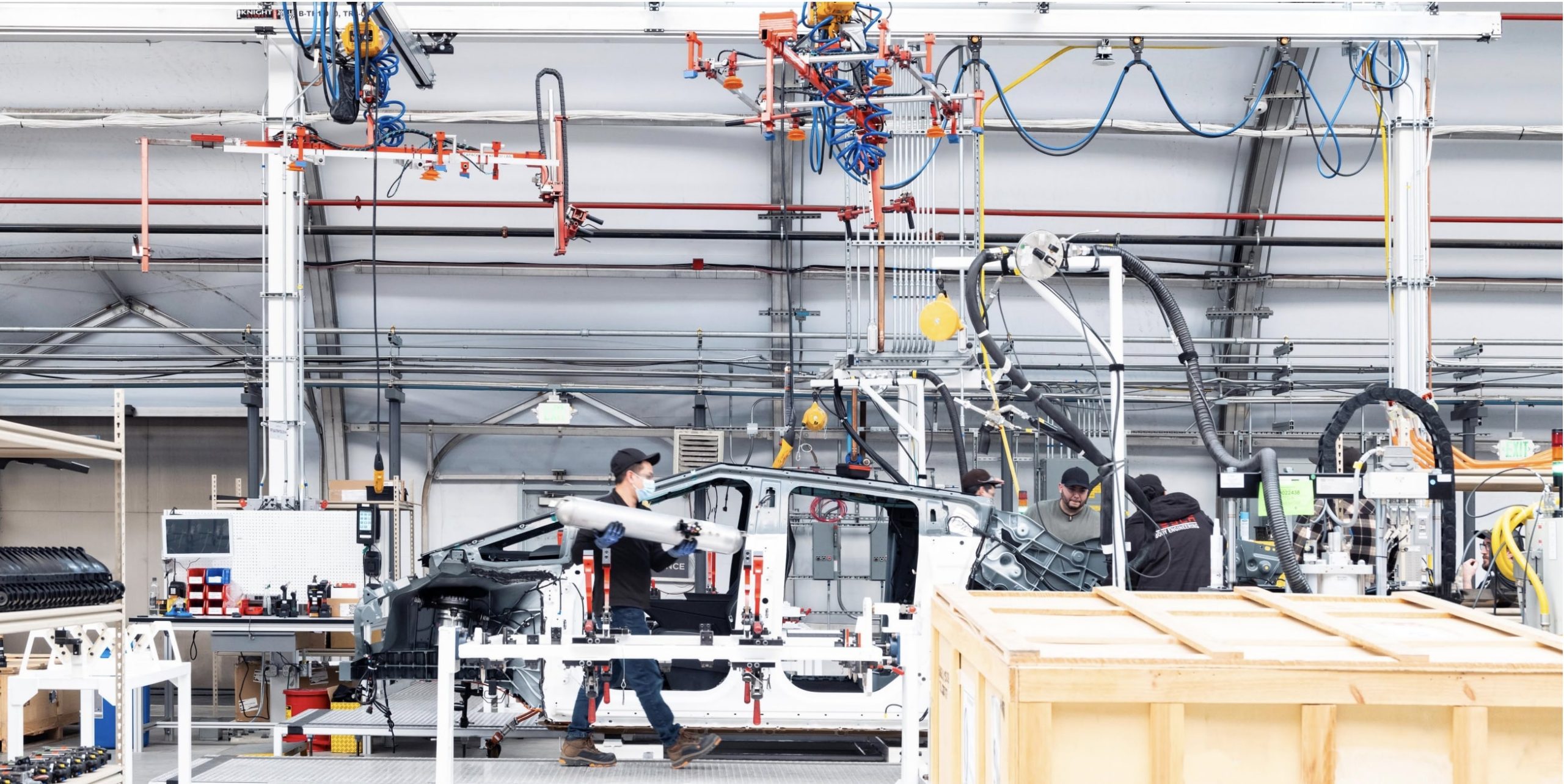
Tesla Cybertruck production is closer than ever, thanks to the delivery of a massive final component of a stamping machine.
The Tesla Cybertruck production project has captivated and occasionally a...[More]Teslas Average Transaction Price Was $54660 In July Down 20 Percent
Posted On: August 15, 2023
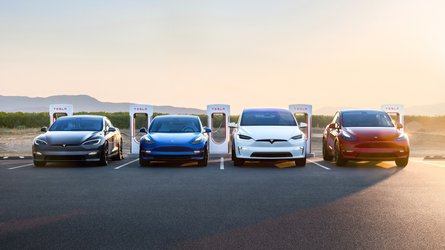
The past 12 months have been wild for electric vehicle prices as Tesla disrupted the market once again with its generous price cuts.
A study from Kelley Blue Book that tracks monthly average transa...[More]Not Even An AK-47 Can Stop This Armored Toyota Land Cruiser
Posted On: June 23, 2022
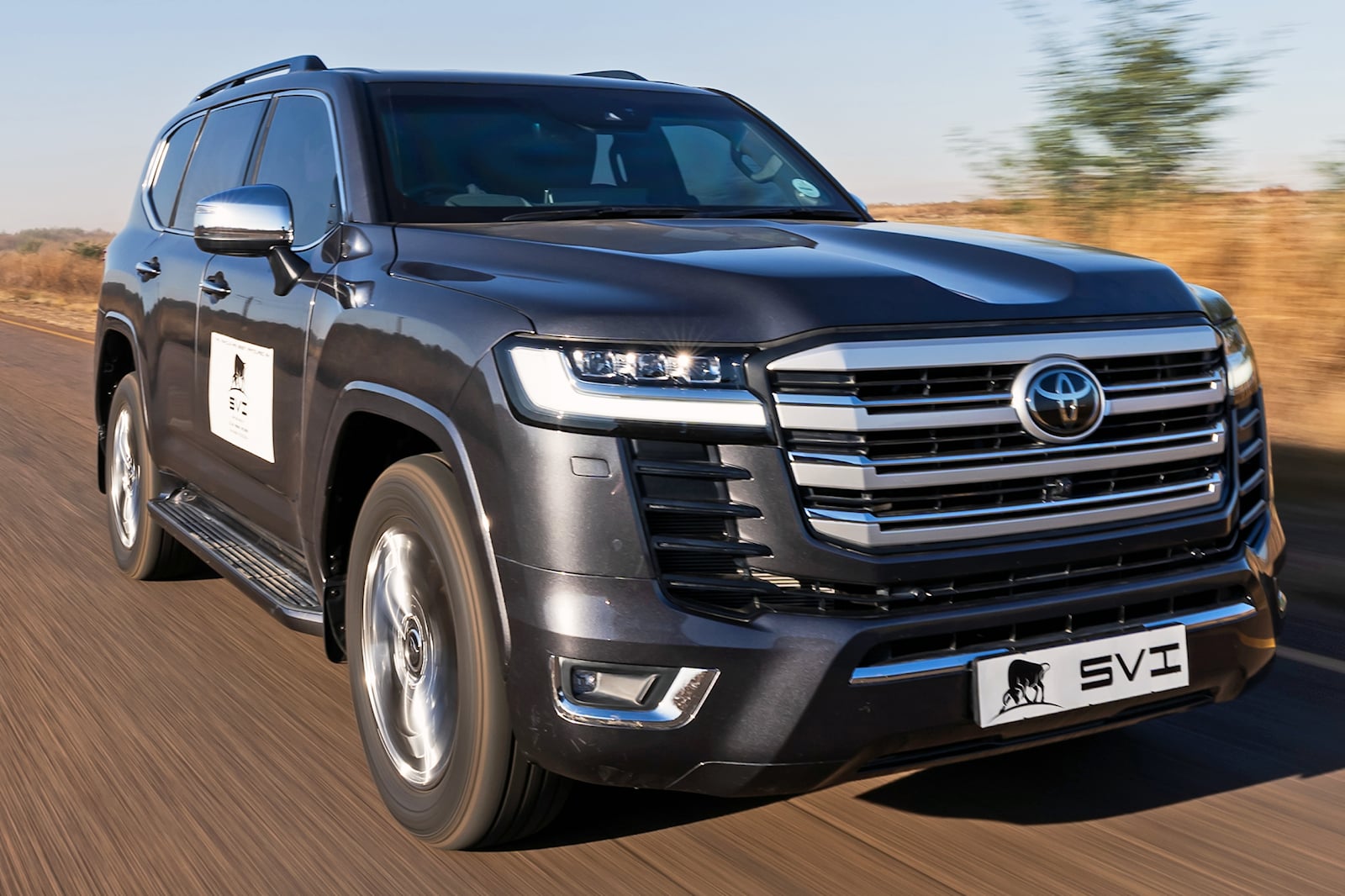
When Toyota announced the Land Cruiser 300 wouldn't make it to the US, we were deeply saddened by the news. Like the Lexus LX, the Japanese brute is considered by many to be the ultimate off-roader. I...[More]Whats Up With Teslas New Engineering Headquarters In California?
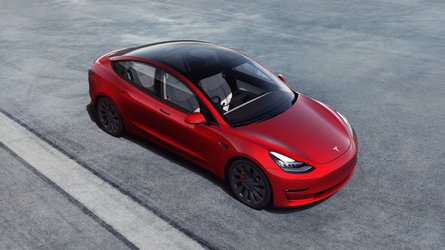
Posted On: March 18, 2023
Tesla officially moved its corporate headquarters from California to Texas in 2021, but in recent weeks, the automaker has debuted another new headquarters in the West Coast state. Not far from the co...[More]Tesla Cybertruck Release Candidates Late August
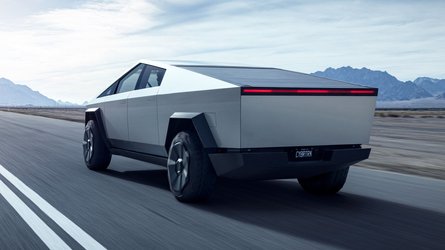
Posted On: June 8, 2023
Recently, Tesla has communicated to its suppliers about their aim to produce 375,000 Cybertrucks per year by August 2023.
With more than 1.5 million reservation holders, the electric pickup has bee...[More]Tesla Expands Universal Supercharger Access to Italy
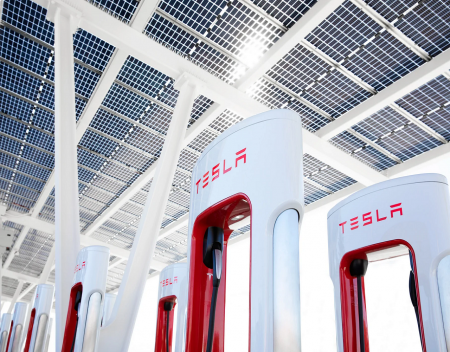
Posted On: December 11, 2022
Little by little, Tesla is moving forward with its plans to open up its Superchargers to non-Tesla EVs. With the recent addition of Italy, the program now covers most of Western Europe.
The pilot b...[More]Teslas $25000 EV Rendered With Futuristic Cybertruck Cues

Posted On: October 6, 2023
With the facelifted Tesla Model 3 already unveiled and the Cybertruck nearing the start of customer deliveries, Tesla could soon free up resources to complete development on what will likely become it...[More]Tesla New Cybertruck Upgrade is Extra Terrestrial
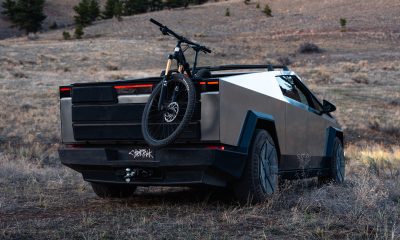
Posted On: August 9, 2025
It took a while, but the Tesla Cybertruck’s rock sliders and battery armor upgrades have finally arrived.
The upgrade was announced by the electric vehicle maker on social media platform X, t...[More]SpaceX Starship Flight 14 is Going into Orbit

Posted On: September 1, 2026
SpaceX has asked the Federal Communications Commission for permission to operate Starlink terminals during Starships fourteenth flight test. The filing describes a genuine trip to orbit something the ...[More]SpaceX turned a heralding moment for Starship into its greatest moment

Posted On: September 28, 2026
SpaceX's Starship reached orbit for the first time on Monday, and for a few nail-biting minutes it looked like it wouldn't. During ascent on Flight 14, one of Ship 41's six Raptor engines shut down ea...[More]