


Types
Brands
- Acura
- Afeela
- Alfa Romeo
- Alligator
- Apollo Automobil
- Aprilia
- Arch
- Arctic Cat
- Aston Martin
- Audi
- Bentley
- BMW
- Bollinger
- Boss Hoss
- Buell
- Bugatti
- Buick
- Cadillac
- CanAm
- Caterham
- Chevrolet
- Chrysler
- Citroen
- Cleveland CycleWerks
- Curtiss
- Dacia
- Dodge
- Ducati
- Ferrari
- Fiat
- Fisker
- Ford
- General Motors
- Genesis
- GMC
- Harley Davidson
- Honda
- Husqvarna
- Hyundai
- Indian
- Ineos
- Infiniti
- Jaguar
- Janus
- Jeep
- Karma
- Kawasaki
- Kia
- Koenigsegg
- KTM
- Lamborghini
- Land Rover
- Lexus
- Lightning
- Lincoln
- Lordstown
- Lotus
- Lucid Motors
- Maserati
- Mazda
- McLaren
- Mercedes
- Mercury
- MG
- Mini Cooper
- Mitsubishi
- Moto Guzzi
- MTT
- Nikola
- NIO
- Nissan
- Pagani
- Peugeot
- Piaggio
- Polaris
- Polestar
- Pontiac
- Porsche
- Ram
- Renault
- Rimac
- Rivian
- Rokon
- RollsRoyce
- Royal Enfield
- Saab
- Saturn
- Scion
- SEAT
- Ski-Doo
- Skoda
- Smart
- Spyker
- Subaru
- Suzuki
- Tesla
- Toyota
- Triumph
- Vauxhall
- Vespa
- VinFast
- Volkswagen
- Volvo
- Yamaha
- Z Electric Vehicle
- Zero Motorcycles
Article Categories
- Acura News
- Alfa Romeo News
- Aston Martin News
- Audi News
- Bentley News
- BMW News
- Buick News
- Cadillac News
- Car News
- Chevrolet News
- Chrysler News
- Dodge News
- Fiat News
- Ford News
- GMC News
- Honda News
- Hyundai News
- Infiniti News
- Jaguar News
- Jeep News
- Kia News
- Lexus News
- Lincoln News
- Mazda News
- Mercedes News
- Nissan News
- Porsche News
- Subaru News
- Tesla News
- Tips and Tricks
- Toyota News
- Volkswagen News
- Volvo News
More Articles
Advent’s Methanol-Based Fuel Cells Set New World Records For Cars Powered By Hydrogen And Electric
[BACK]
Posted On: June 13, 2022
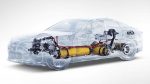
Using Advent’s methanol-based H3 5000 fuel cells, ARM Engineering set the new world record for covering the longest distance driving an electric and hydrogen-powered vehicle without recharging or refueling. According to Business Wire, a team of drivers at ARM Engineering covered more than 2,000km in 40 hours while driving at a speed of 50km/h. ARM Engineering is a French-based company that aims to provide the mobility market with innovative and sustainable solutions.
Recently, the French-based firm developed a renewable synthetic methanol named G-H3. This innovative fuel can power electric and thermal cars, with electric vehicles relying on fuel cells. Advantages of H3 5000 fuel cells include affordable total cost of ownership, strong functionality, low maintenance costs, and long operating time. With that said, it’s clear that while solid-state batteries are a possible future fuel option for electric cars, there are other innovative and sustainable fuels that can power vehicles for longer. Read on to get insights into the future of fueling.
Cars Could be Powered by Algae Biofuel
To lower the rate of greenhouse gases emitted by vehicles, auto manufacturers are looking for greener fuel alternatives, and algae might be a perfect option. Algae biofuel is a third-generation green fuel that guarantees long-term solutions for producing a variety of fuels used in internal combustion engine vehicles. These fuels include ethanol, butanol, biodiesel, and jet fuel.
Besides generating other fuels, algae has little impact on water resources because it’s biodegradable. Because of its ability to convert toxic carbon into useful oxygen, microalgae can combat global warming and its effects. Not to mention, microalgae can produce an oil yield of up to 25 times higher than palm and oil. Unfortunately, algae biofuel is yet to go mainstream because the technologies required to convert microalgae into sustainable fuel aren’t available.
Hydrogen Fuel Cells may Revolutionize Mobility
The increasing need to fight climate change is forcing nations worldwide to reach net-zero emissions in the next few decades. Innovative companies are also at the forefront in providing valuable solutions across the spectrum of energy sources, including electric, petroleum, and other fuel alternatives. One valuable solution emerging as an alternative fuel to fossil fuels is hydrogen fuel cell technology. This technology depends on the chemical energy generated from hydrogen to produce electricity in a sustainable and effective way.
Hydrogen fuel cells offer many benefits when used to power electric vehicles. Besides achieving net-zero emissions, hydrogen fuel cells guarantee energy security, reliability, and scalability. Note that battery electric vehicles and hydrogen fuel cell electric vehicles are not competitors, but complementary technologies. However, hydrogen fuel cells are more eco-friendly because of their renewability and zero emissions.
Biodiesel to Power Diesel Automobiles
Biodiesel is gaining a lot of attention thanks to its ability to power diesel vehicles. Generated from animal fats and vegetable oil, biodiesel is a renewable energy source that could replace non-renewable fossil fuels. The advantages of using biodiesel in vehicles range from reduced carbon emissions to energy security and balance. Biodiesel also offers fuel lubricity, thus improving engine operation and guarantees safety because it’s less combustible.
Today’s consumers are conscious about their impact on the environment. As a result, key stakeholders in the automotive industry are looking for more sustainable fueling options to combat climate change. Promising fuel solutions of the future include algae biofuel, methanol-based fuel cells, biodiesel, and hydrogen fuel cell technology.
Reposted From Source: automotiveaddicts.com
[BACK]
[BACK]Posted On: June 13, 2022
Using Advent’s methanol-based H3 5000 fuel cells, ARM Engineering set the new world record for covering the longest distance driving an electric and hydrogen-powered vehicle without recharging or refueling. According to Business Wire, a team of drivers at ARM Engineering covered more than 2,000km in 40 hours while driving at a speed of 50km/h. ARM Engineering is a French-based company that aims to provide the mobility market with innovative and sustainable solutions.
Recently, the French-based firm developed a renewable synthetic methanol named G-H3. This innovative fuel can power electric and thermal cars, with electric vehicles relying on fuel cells. Advantages of H3 5000 fuel cells include affordable total cost of ownership, strong functionality, low maintenance costs, and long operating time. With that said, it’s clear that while solid-state batteries are a possible future fuel option for electric cars, there are other innovative and sustainable fuels that can power vehicles for longer. Read on to get insights into the future of fueling.
Cars Could be Powered by Algae Biofuel
To lower the rate of greenhouse gases emitted by vehicles, auto manufacturers are looking for greener fuel alternatives, and algae might be a perfect option. Algae biofuel is a third-generation green fuel that guarantees long-term solutions for producing a variety of fuels used in internal combustion engine vehicles. These fuels include ethanol, butanol, biodiesel, and jet fuel.
Besides generating other fuels, algae has little impact on water resources because it’s biodegradable. Because of its ability to convert toxic carbon into useful oxygen, microalgae can combat global warming and its effects. Not to mention, microalgae can produce an oil yield of up to 25 times higher than palm and oil. Unfortunately, algae biofuel is yet to go mainstream because the technologies required to convert microalgae into sustainable fuel aren’t available.
Hydrogen Fuel Cells may Revolutionize Mobility
The increasing need to fight climate change is forcing nations worldwide to reach net-zero emissions in the next few decades. Innovative companies are also at the forefront in providing valuable solutions across the spectrum of energy sources, including electric, petroleum, and other fuel alternatives. One valuable solution emerging as an alternative fuel to fossil fuels is hydrogen fuel cell technology. This technology depends on the chemical energy generated from hydrogen to produce electricity in a sustainable and effective way.
Hydrogen fuel cells offer many benefits when used to power electric vehicles. Besides achieving net-zero emissions, hydrogen fuel cells guarantee energy security, reliability, and scalability. Note that battery electric vehicles and hydrogen fuel cell electric vehicles are not competitors, but complementary technologies. However, hydrogen fuel cells are more eco-friendly because of their renewability and zero emissions.
Biodiesel to Power Diesel Automobiles
Biodiesel is gaining a lot of attention thanks to its ability to power diesel vehicles. Generated from animal fats and vegetable oil, biodiesel is a renewable energy source that could replace non-renewable fossil fuels. The advantages of using biodiesel in vehicles range from reduced carbon emissions to energy security and balance. Biodiesel also offers fuel lubricity, thus improving engine operation and guarantees safety because it’s less combustible.
Today’s consumers are conscious about their impact on the environment. As a result, key stakeholders in the automotive industry are looking for more sustainable fueling options to combat climate change. Promising fuel solutions of the future include algae biofuel, methanol-based fuel cells, biodiesel, and hydrogen fuel cell technology.
Reposted From Source: automotiveaddicts.com
Tesla Signs Korean Olympian to be First Brand Ambassador
Posted On: November 1, 2024
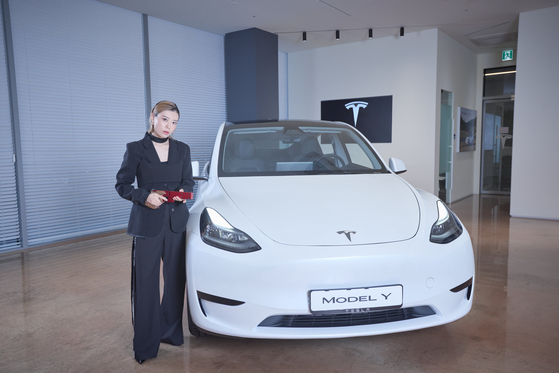
Tesla has made an interesting move by signing Korean Olympic Shooter Kim Ye-ji as its first-ever brand ambassador.
Kim said in a press release announcing the partnership that she hopes to "con...[More]Tesla Bull Argues Model Y Price Cut

Posted On: February 12, 2024
There were a number of notable events that transpired in the electric vehicle sector in the past few days.
Tesla rolled out a minor $1,000 limited-time discount for the Model Y crossover until the ...[More]Failed Tesla Model 3 Theft In San Francisco

Posted On: May 5, 2022
An unfortunate incident that recently took place in San Francisco, California highlights the importance of one of Tesla’s lesser known safety features, PIN to Drive.
The incident took place a...[More]Tesla Sends Production Cybercab With No Steering Wheel to On-Road Testing
Posted On: June 30, 2026
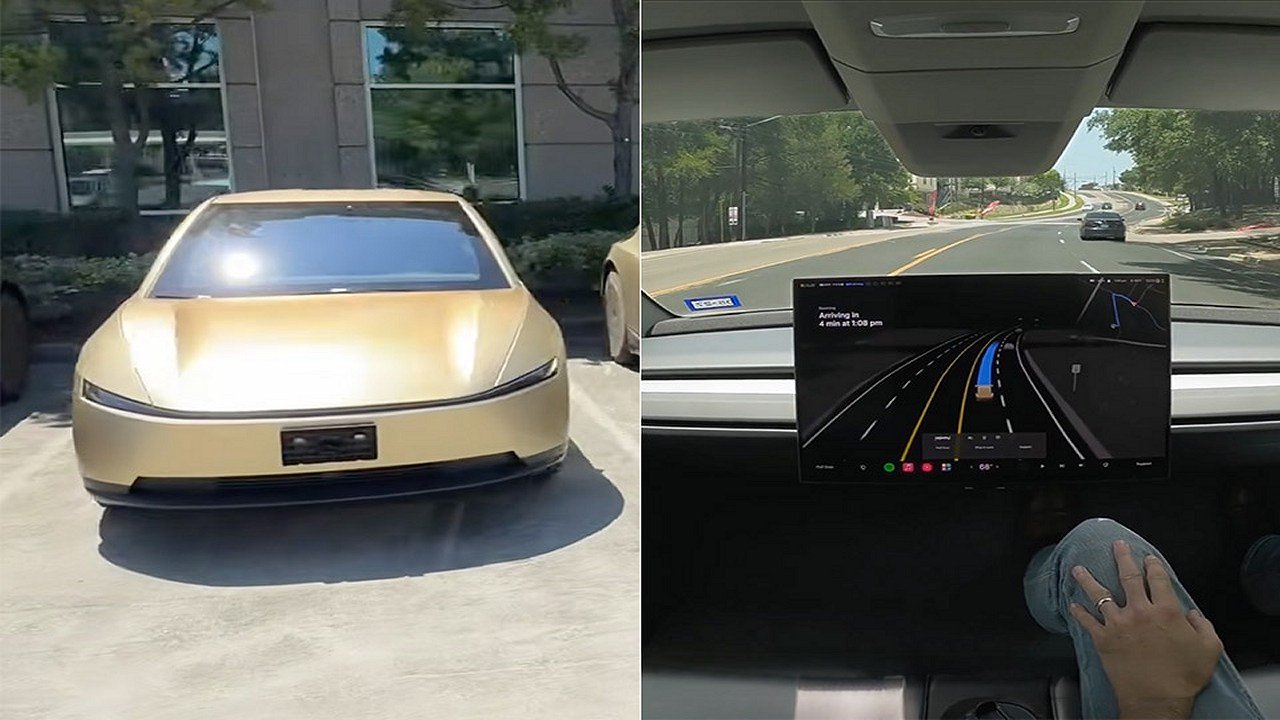
Tesla confirmed this morning that it has sent the first production units, manufactured with no steering wheel or pedals, to on-road testing in Austin, sharing video of the first rides with no human co...[More]Rivian Adds Tesla Plugs To Its Charging Network
Posted On: July 23, 2025
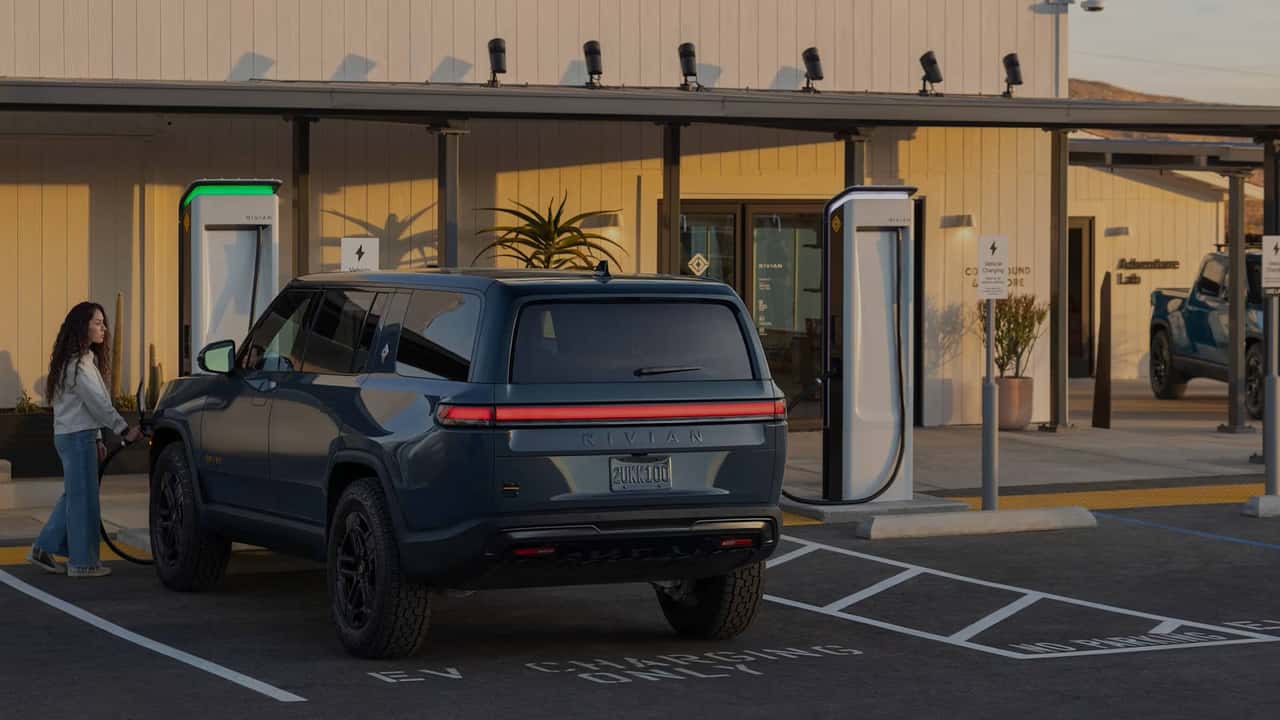
Rivian has started retrofitting Tesla-style NACS cables to its DC fast chargers.
The Rivian Adventure Network has over 400 DC fast chargers in the United States.
The Rivian-branded chargers with...[More]The New Federal EV Incentive Plan In a Nutshell
Posted On: August 23, 2022
Over the past few years, electric vehicles have been among the most difficult vehicles to buy. Tesla has, at times, had lead times many seasons long (longer than multiple months) on the vehicles it bu...[More]Tesla Owner Implants Chip In Hand To Open Car

Posted On: August 22, 2022
A Tesla owner has implanted two scannable chips into his hand in order to store cryptocurrencies and data. The chips also function as a key to his home and as a way of accessing his medical card. One ...[More]Tesla Grew the Number of Supercharger Stations by 33 Percent in Q1 2023
Posted On: April 20, 2023
Tesla increased the number of Supercharger stations by 33% YoY in Q1 2023.
Additionally, the company increased the average number of charging stalls per Supercharger station.
Tesla continues to ...[More]Tesla Model S Owner Nearly Double His Range

Posted On: July 28, 2025
A 2015 Tesla Model S with 470,000 miles had its high-voltage battery upgraded.
The old 70 kWh pack was swapped for a newer, 100 kWh battery.
The job cost about $12,000, but the owner, who did th...[More]Texas Again Delays Vote On Tying EV Charging Funds To Teslas NACS
Posted On: July 12, 2023
Texas has reportedly delayed a vote on grants of federal funds to build EV chargers to August 16 after several charging companies protested the plan to include Tesla's NACS connector in charging s...[More]