

Types
Brands
- Acura
- Afeela
- Alfa Romeo
- Alligator
- Apollo Automobil
- Aprilia
- Arch
- Arctic Cat
- Aston Martin
- Audi
- Bentley
- BMW
- Bollinger
- Boss Hoss
- Buell
- Bugatti
- Buick
- Cadillac
- CanAm
- Caterham
- Chevrolet
- Chrysler
- Citroen
- Cleveland CycleWerks
- Curtiss
- Dacia
- Dodge
- Ducati
- Ferrari
- Fiat
- Fisker
- Ford
- General Motors
- Genesis
- GMC
- Harley Davidson
- Honda
- Husqvarna
- Hyundai
- Indian
- Ineos
- Infiniti
- Jaguar
- Janus
- Jeep
- Karma
- Kawasaki
- Kia
- Koenigsegg
- KTM
- Lamborghini
- Land Rover
- Lexus
- Lightning
- Lincoln
- Lordstown
- Lotus
- Lucid Motors
- Maserati
- Mazda
- McLaren
- Mercedes
- Mercury
- MG
- Mini Cooper
- Mitsubishi
- Moto Guzzi
- MTT
- Nikola
- NIO
- Nissan
- Pagani
- Peugeot
- Piaggio
- Polaris
- Polestar
- Pontiac
- Porsche
- Ram
- Renault
- Rimac
- Rivian
- Rokon
- RollsRoyce
- Royal Enfield
- Saab
- Saturn
- Scion
- SEAT
- Ski-Doo
- Skoda
- Smart
- Spyker
- Subaru
- Suzuki
- Tesla
- Toyota
- Triumph
- Vauxhall
- Vespa
- VinFast
- Volkswagen
- Volvo
- Yamaha
- Z Electric Vehicle
- Zero Motorcycles
Article Categories
- Acura News
- Alfa Romeo News
- Aston Martin News
- Audi News
- Bentley News
- BMW News
- Buick News
- Cadillac News
- Car News
- Chevrolet News
- Chrysler News
- Dodge News
- Fiat News
- Ford News
- GMC News
- Honda News
- Hyundai News
- Infiniti News
- Jaguar News
- Jeep News
- Kia News
- Lexus News
- Lincoln News
- Mazda News
- Mercedes News
- Nissan News
- Porsche News
- Subaru News
- Tesla News
- Tips and Tricks
- Toyota News
- Volkswagen News
- Volvo News
More Articles
What is the recommended maintenance schedule for my car?

The recommended maintenance schedule for your car can vary depending on the make, model, year, and driving conditions. However, most modern vehicles share similar maintenance requirements. It's essential to refer to your car's owner's manual for the manufacturer's specific recommendations. Here are some general guidelines for routine car maintenance:
Oil Change: Typically, oil changes are recommended every 5,000 to 7,500 miles or every six months, whichever comes first. However, some newer cars with synthetic oil may have longer intervals, up to 10,000 miles.
Fluid Checks and Changes: Regularly check and replace engine coolant, brake fluid, transmission fluid, power steering fluid, and windshield washer fluid as needed.
Tire Maintenance: Check tire pressure regularly (at least once a month) and rotate the tires every 5,000 to 7,500 miles to promote even wear. Replace tires when they become worn or damaged.
Brake Inspection: Have the brakes inspected annually and replace brake pads and rotors when necessary.
Air Filter Replacement: Replace the engine air filter every 15,000 to 30,000 miles, or as recommended by the manufacturer.
Cabin Air Filter Replacement: Replace the cabin air filter every 15,000 to 30,000 miles, or as recommended by the manufacturer, to maintain air quality inside the car.
Spark Plug Replacement: Replace spark plugs according to the manufacturer's recommended interval, usually between 30,000 to 100,000 miles, depending on the type of spark plugs.
Battery Maintenance: Inspect the battery regularly for signs of corrosion or damage, and clean the battery terminals as needed. Replace the battery when it shows signs of weakness.
Timing Belt Replacement: For cars with timing belts, replace it at the recommended mileage interval, usually between 60,000 to 100,000 miles.
Suspension and Steering Components: Regularly inspect and replace any worn or damaged suspension and steering components as needed.
Exhaust System Inspection: Have the exhaust system checked for leaks, rust, and damage periodically.
Check Engine Light: Address any Check Engine Light or warning lights promptly by diagnosing and repairing the underlying issue.
Remember, following the manufacturer's recommended maintenance schedule is crucial to keep your car running smoothly, extend its lifespan, and maintain its resale value. Additionally, if you live in extreme weather conditions or engage in severe driving conditions (e.g., towing heavy loads, off-roading), you may need more frequent maintenance.
Always consult your car's owner's manual and consider the advice of a qualified mechanic or dealership for your specific vehicle's maintenance needs.
The recommended maintenance schedule for your car can vary depending on the make, model, year, and driving conditions. However, most modern vehicles share similar maintenance requirements. It's essential to refer to your car's owner's manual for the manufacturer's specific recommendations. Here are some general guidelines for routine car maintenance:
Oil Change: Typically, oil changes are recommended every 5,000 to 7,500 miles or every six months, whichever comes first. However, some newer cars with synthetic oil may have longer intervals, up to 10,000 miles.
Fluid Checks and Changes: Regularly check and replace engine coolant, brake fluid, transmission fluid, power steering fluid, and windshield washer fluid as needed.
Tire Maintenance: Check tire pressure regularly (at least once a month) and rotate the tires every 5,000 to 7,500 miles to promote even wear. Replace tires when they become worn or damaged.
Brake Inspection: Have the brakes inspected annually and replace brake pads and rotors when necessary.
Air Filter Replacement: Replace the engine air filter every 15,000 to 30,000 miles, or as recommended by the manufacturer.
Cabin Air Filter Replacement: Replace the cabin air filter every 15,000 to 30,000 miles, or as recommended by the manufacturer, to maintain air quality inside the car.
Spark Plug Replacement: Replace spark plugs according to the manufacturer's recommended interval, usually between 30,000 to 100,000 miles, depending on the type of spark plugs.
Battery Maintenance: Inspect the battery regularly for signs of corrosion or damage, and clean the battery terminals as needed. Replace the battery when it shows signs of weakness.
Timing Belt Replacement: For cars with timing belts, replace it at the recommended mileage interval, usually between 60,000 to 100,000 miles.
Suspension and Steering Components: Regularly inspect and replace any worn or damaged suspension and steering components as needed.
Exhaust System Inspection: Have the exhaust system checked for leaks, rust, and damage periodically.
Check Engine Light: Address any Check Engine Light or warning lights promptly by diagnosing and repairing the underlying issue.
Remember, following the manufacturer's recommended maintenance schedule is crucial to keep your car running smoothly, extend its lifespan, and maintain its resale value. Additionally, if you live in extreme weather conditions or engage in severe driving conditions (e.g., towing heavy loads, off-roading), you may need more frequent maintenance.
Always consult your car's owner's manual and consider the advice of a qualified mechanic or dealership for your specific vehicle's maintenance needs.
Tesla rolls out FSD Beta 11.3.1 for wide release [Updating]
![Tesla rolls out FSD Beta 11.3.1 for wide release [Updating]](https://www.autohelpers.net/images/BlogImages/tesla-rolls-out-fsd-beta-1131-for-wide-release-updating-3182_1_081003.jpg)
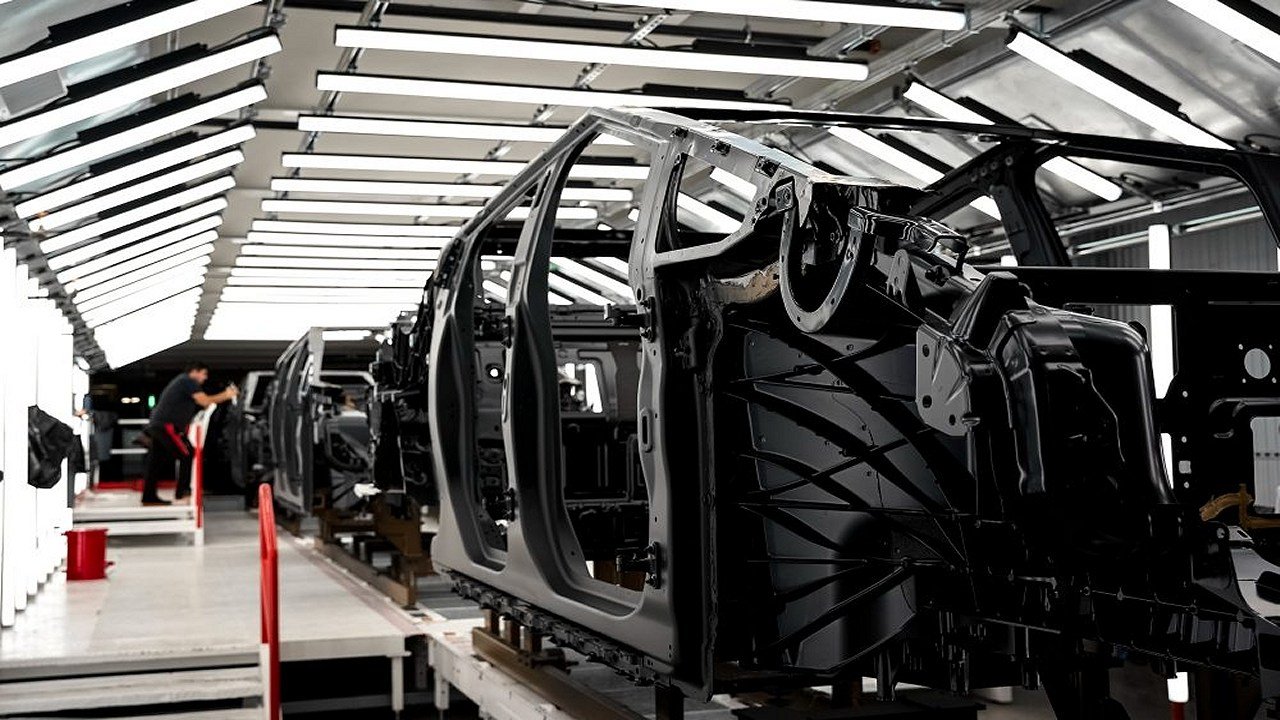
Ford Embraces Tesla Style Gigacastings
Stellantis Citroën developing EV for persons with disabilities

First drive review: 2022 Porsche 718 Cayman GT4 RS writes a love letter to mid-engine design

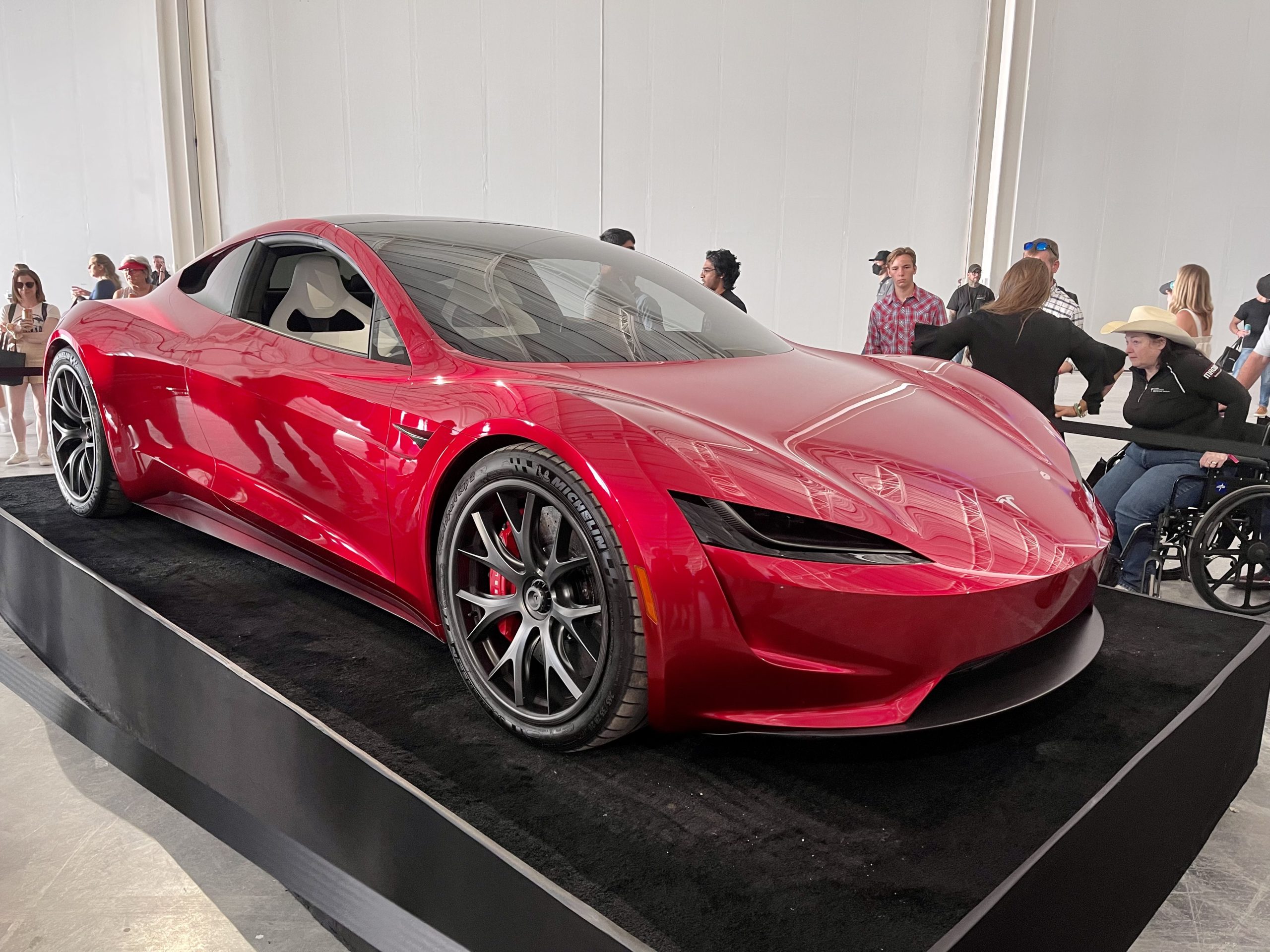
Tesla Roadster Gets an Update May 2026
Tesla Begins Grok AI Chatbot Rollout to Australia and New Zealand

Is Now the Time to Buy Tesla Stock?

Tesla Receives Buy Rating From Canaccord Genuity
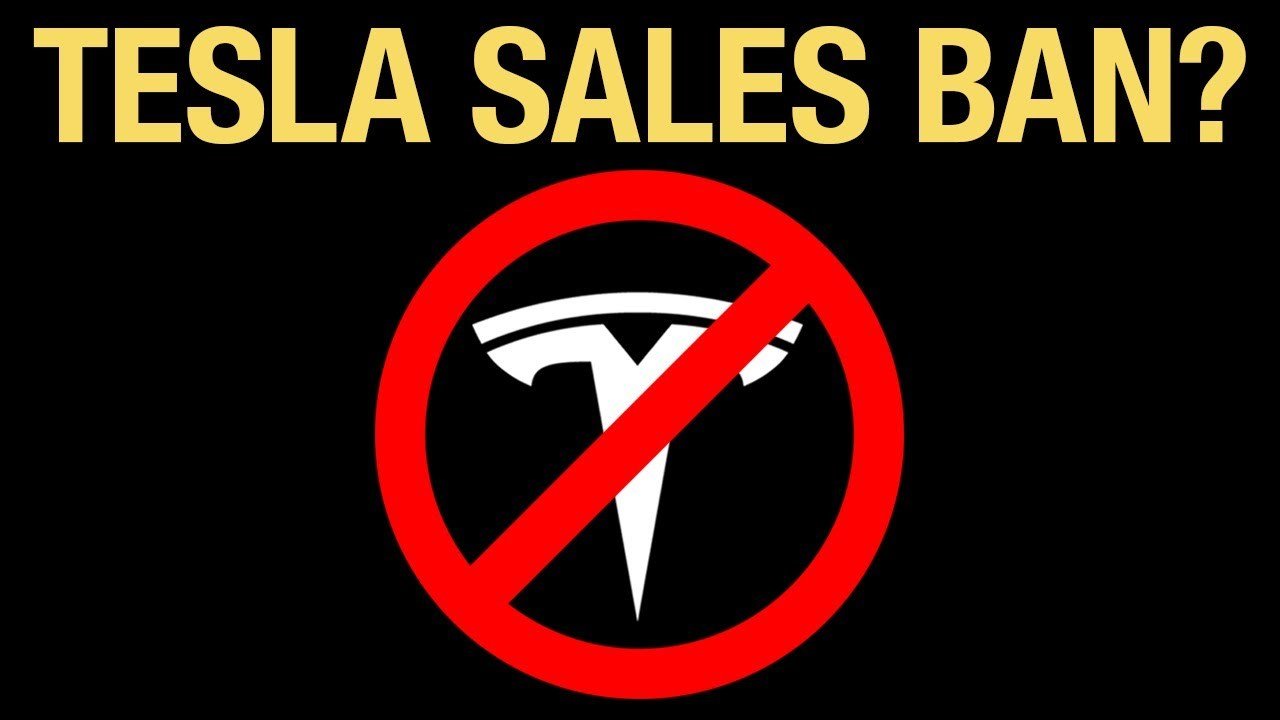
Tesla Sales License is at Risk
Defender special edition marks 75th anniversary of the first Land Rover