
Types
Brands
- Acura
- Afeela
- Alfa Romeo
- Alligator
- Apollo Automobil
- Aprilia
- Arch
- Arctic Cat
- Aston Martin
- Audi
- Bentley
- BMW
- Bollinger
- Boss Hoss
- Buell
- Bugatti
- Buick
- Cadillac
- CanAm
- Caterham
- Chevrolet
- Chrysler
- Citroen
- Cleveland CycleWerks
- Curtiss
- Dacia
- Dodge
- Ducati
- Ferrari
- Fiat
- Fisker
- Ford
- General Motors
- Genesis
- GMC
- Harley Davidson
- Honda
- Husqvarna
- Hyundai
- Indian
- Ineos
- Infiniti
- Jaguar
- Janus
- Jeep
- Karma
- Kawasaki
- Kia
- Koenigsegg
- KTM
- Lamborghini
- Land Rover
- Lexus
- Lightning
- Lincoln
- Lordstown
- Lotus
- Lucid Motors
- Maserati
- Mazda
- McLaren
- Mercedes
- Mercury
- MG
- Mini Cooper
- Mitsubishi
- Moto Guzzi
- MTT
- Nikola
- NIO
- Nissan
- Pagani
- Peugeot
- Piaggio
- Polaris
- Polestar
- Pontiac
- Porsche
- Ram
- Renault
- Rimac
- Rivian
- Rokon
- RollsRoyce
- Royal Enfield
- Saab
- Saturn
- Scion
- SEAT
- Ski-Doo
- Skoda
- Smart
- Spyker
- Subaru
- Suzuki
- Tesla
- Toyota
- Triumph
- Vauxhall
- Vespa
- VinFast
- Volkswagen
- Volvo
- Yamaha
- Z Electric Vehicle
- Zero Motorcycles
Article Categories
- Acura News
- Alfa Romeo News
- Aston Martin News
- Audi News
- Bentley News
- BMW News
- Buick News
- Cadillac News
- Car News
- Chevrolet News
- Chrysler News
- Dodge News
- Fiat News
- Ford News
- GMC News
- Honda News
- Hyundai News
- Infiniti News
- Jaguar News
- Jeep News
- Kia News
- Lexus News
- Lincoln News
- Mazda News
- Mercedes News
- Nissan News
- Porsche News
- Subaru News
- Tesla News
- Tips and Tricks
- Toyota News
- Volkswagen News
- Volvo News
More Articles
How do I diagnose and fix a car with poor acceleration?
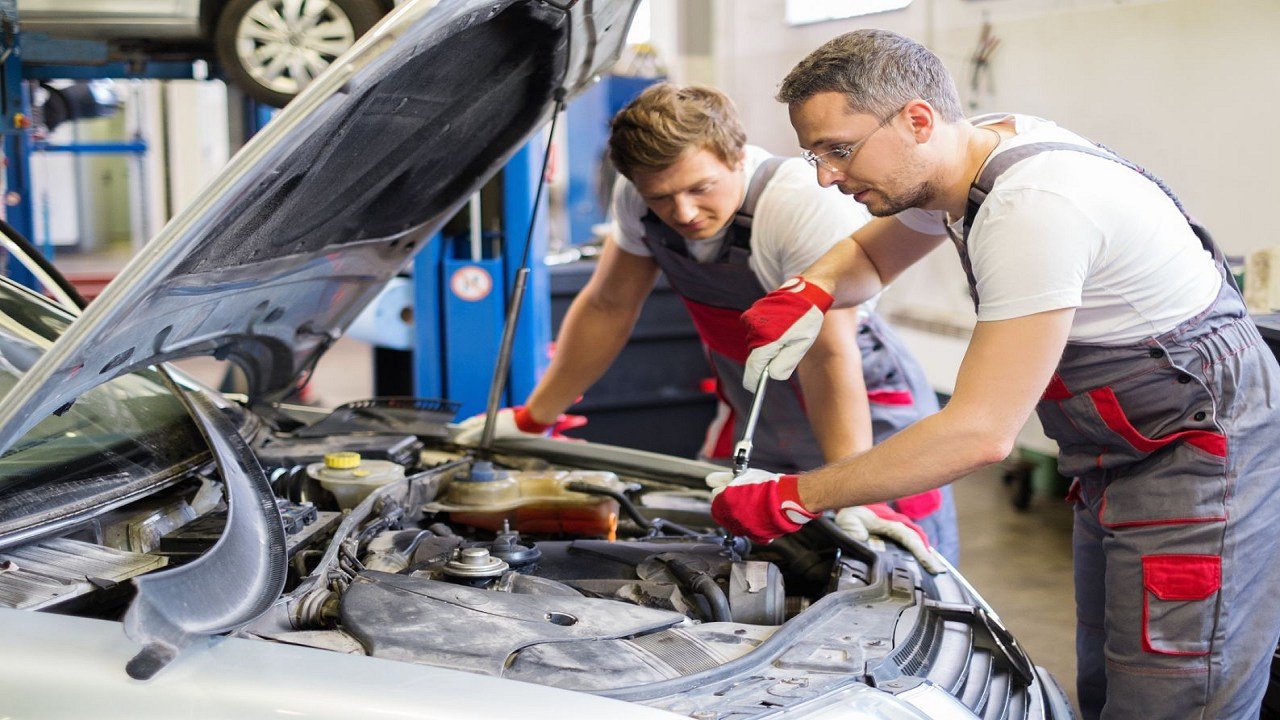
Poor acceleration in a car can be caused by various factors, and diagnosing the issue involves a systematic approach to identify the root cause. Here are steps to help you diagnose and potentially fix poor acceleration in your car:
Check for Warning Lights:
Start by checking the dashboard for any warning lights, such as the check engine light (CEL). If the CEL is illuminated, it indicates that the car's computer has detected a problem, and you should use an OBD-II scanner to retrieve diagnostic trouble codes (DTCs) for further information.
Check for Fuel Delivery Issues:
Poor acceleration can often be attributed to fuel delivery problems. Check the following:
Fuel Level: Ensure you have enough fuel in the tank.
Fuel Filter: A clogged or dirty fuel filter can restrict fuel flow. Consider replacing it if it's overdue.
Fuel Pump: A failing fuel pump can lead to insufficient fuel pressure. Listen for unusual noises coming from the fuel tank when the ignition is on.
Inspect the Air Intake System:
Check for any obstructions or damage in the air intake system, including the air filter and intake hoses. A clogged air filter can restrict airflow and impact acceleration.
Examine the Exhaust System:
A blocked or restricted exhaust system can hinder engine performance. Look for damaged or collapsed sections of the exhaust pipe, catalytic converter, or muffler.
Check for Vacuum Leaks:
Vacuum leaks in the intake manifold or vacuum hoses can disrupt the air-to-fuel ratio. Inspect hoses and connections for leaks and replace damaged components.
Inspect the Throttle Body:
A dirty or malfunctioning throttle body can lead to poor acceleration. Consider cleaning the throttle body and inspecting the throttle position sensor (TPS) for issues.
Check Ignition System:
Poor spark or ignition timing can result in sluggish acceleration. Inspect the spark plugs, ignition coils, and ignition timing.
Test the Mass Airflow Sensor (MAF):
A malfunctioning MAF sensor can affect fuel metering and air intake. Clean or replace the MAF sensor if necessary.
Transmission Issues:
Poor acceleration can also be related to transmission problems. Check the transmission fluid level, condition, and shift quality. Consult a mechanic if you suspect transmission issues.
Tires and Brakes: - Worn or improperly inflated tires can impact acceleration. Check tire pressure and tread depth. - Sticking brake calipers or a parking brake left engaged can cause resistance and hinder acceleration.
ECU Reset: - In some cases, a reset of the car's engine control unit (ECU) may resolve minor issues. Disconnect the car's battery for a few minutes, reconnect it, and see if there's any improvement.
Seek Professional Help: - If you're unable to diagnose or fix the issue on your own, or if the problem persists after attempting repairs, it's advisable to consult a qualified mechanic or automotive technician. They can perform a comprehensive diagnosis using specialized tools and equipment.
Remember to prioritize safety when diagnosing and fixing automotive issues. If you're not comfortable performing any of the checks or repairs yourself, it's best to seek professional assistance. Diagnosing and fixing complex engine and drivetrain issues often require expertise and specialized equipment.
Poor acceleration in a car can be caused by various factors, and diagnosing the issue involves a systematic approach to identify the root cause. Here are steps to help you diagnose and potentially fix poor acceleration in your car:
Check for Warning Lights:
Start by checking the dashboard for any warning lights, such as the check engine light (CEL). If the CEL is illuminated, it indicates that the car's computer has detected a problem, and you should use an OBD-II scanner to retrieve diagnostic trouble codes (DTCs) for further information.
Check for Fuel Delivery Issues:
Poor acceleration can often be attributed to fuel delivery problems. Check the following:
Fuel Level: Ensure you have enough fuel in the tank.
Fuel Filter: A clogged or dirty fuel filter can restrict fuel flow. Consider replacing it if it's overdue.
Fuel Pump: A failing fuel pump can lead to insufficient fuel pressure. Listen for unusual noises coming from the fuel tank when the ignition is on.
Inspect the Air Intake System:
Check for any obstructions or damage in the air intake system, including the air filter and intake hoses. A clogged air filter can restrict airflow and impact acceleration.
Examine the Exhaust System:
A blocked or restricted exhaust system can hinder engine performance. Look for damaged or collapsed sections of the exhaust pipe, catalytic converter, or muffler.
Check for Vacuum Leaks:
Vacuum leaks in the intake manifold or vacuum hoses can disrupt the air-to-fuel ratio. Inspect hoses and connections for leaks and replace damaged components.
Inspect the Throttle Body:
A dirty or malfunctioning throttle body can lead to poor acceleration. Consider cleaning the throttle body and inspecting the throttle position sensor (TPS) for issues.
Check Ignition System:
Poor spark or ignition timing can result in sluggish acceleration. Inspect the spark plugs, ignition coils, and ignition timing.
Test the Mass Airflow Sensor (MAF):
A malfunctioning MAF sensor can affect fuel metering and air intake. Clean or replace the MAF sensor if necessary.
Transmission Issues:
Poor acceleration can also be related to transmission problems. Check the transmission fluid level, condition, and shift quality. Consult a mechanic if you suspect transmission issues.
Tires and Brakes: - Worn or improperly inflated tires can impact acceleration. Check tire pressure and tread depth. - Sticking brake calipers or a parking brake left engaged can cause resistance and hinder acceleration.
ECU Reset: - In some cases, a reset of the car's engine control unit (ECU) may resolve minor issues. Disconnect the car's battery for a few minutes, reconnect it, and see if there's any improvement.
Seek Professional Help: - If you're unable to diagnose or fix the issue on your own, or if the problem persists after attempting repairs, it's advisable to consult a qualified mechanic or automotive technician. They can perform a comprehensive diagnosis using specialized tools and equipment.
Remember to prioritize safety when diagnosing and fixing automotive issues. If you're not comfortable performing any of the checks or repairs yourself, it's best to seek professional assistance. Diagnosing and fixing complex engine and drivetrain issues often require expertise and specialized equipment.
Cadillac to Debut an EV in its V-Series

Elon Musk Decides Not To Join Twitter Board

Tesla’s Head Of Investor Relations Challenges Toyota’s Claims On EV Adoption
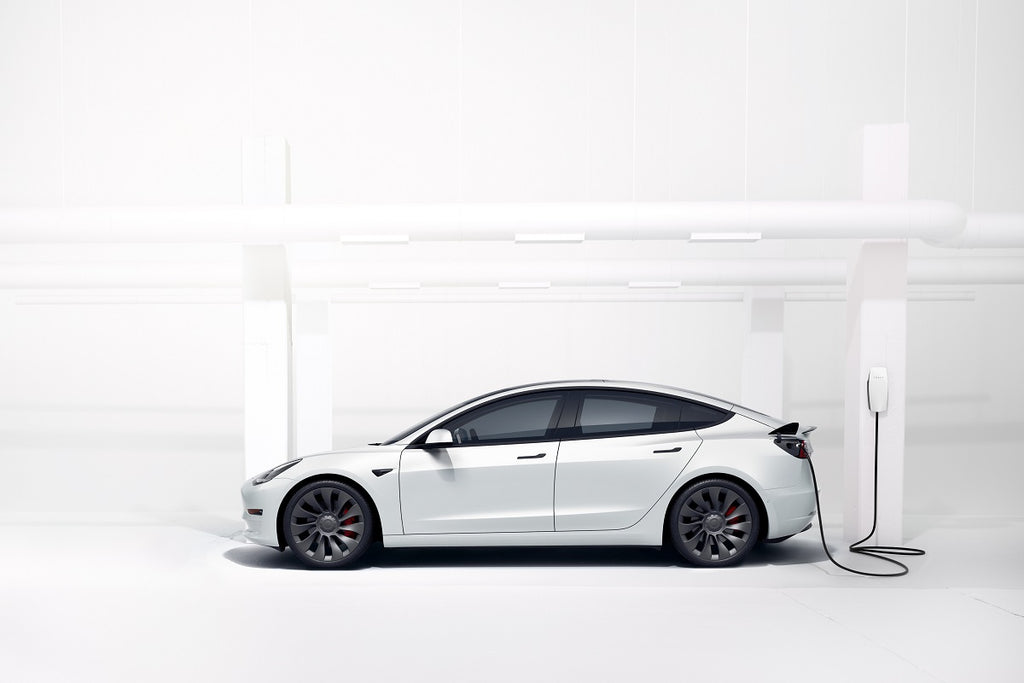
Tesla Model 3 Could Cost Under $20000 in Colorado USA
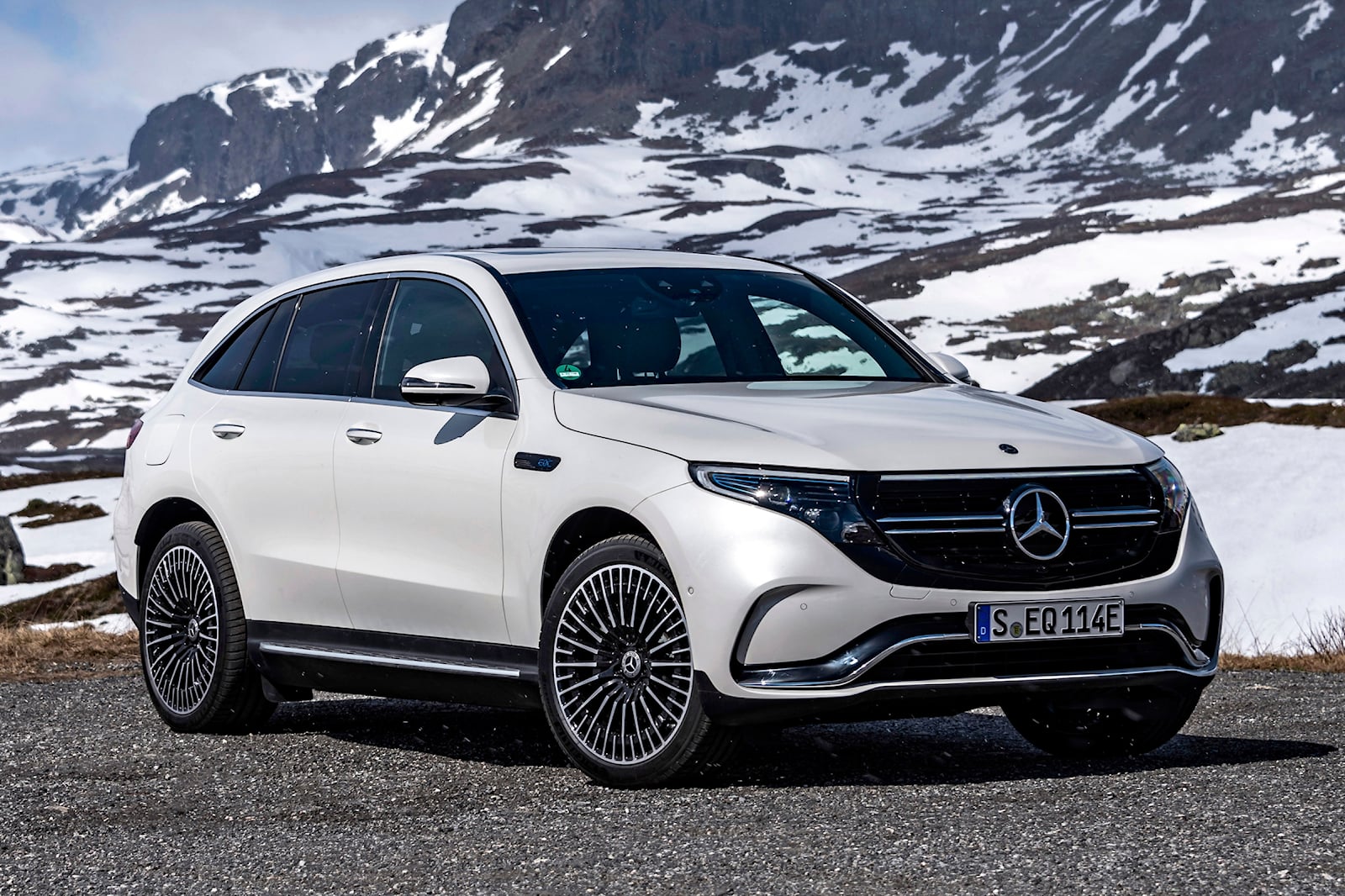
Sorry America Mercedes-Benz Is Killing The EQC
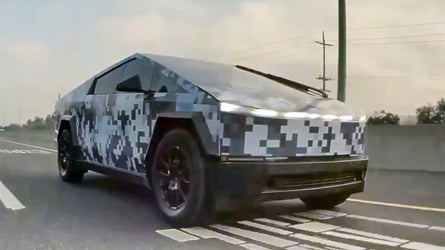
See Tesla Cybertruck Sport New Pixelated Wrap In California Sighting
Tesla Cyberbeast Price Drops to Less Than 100K

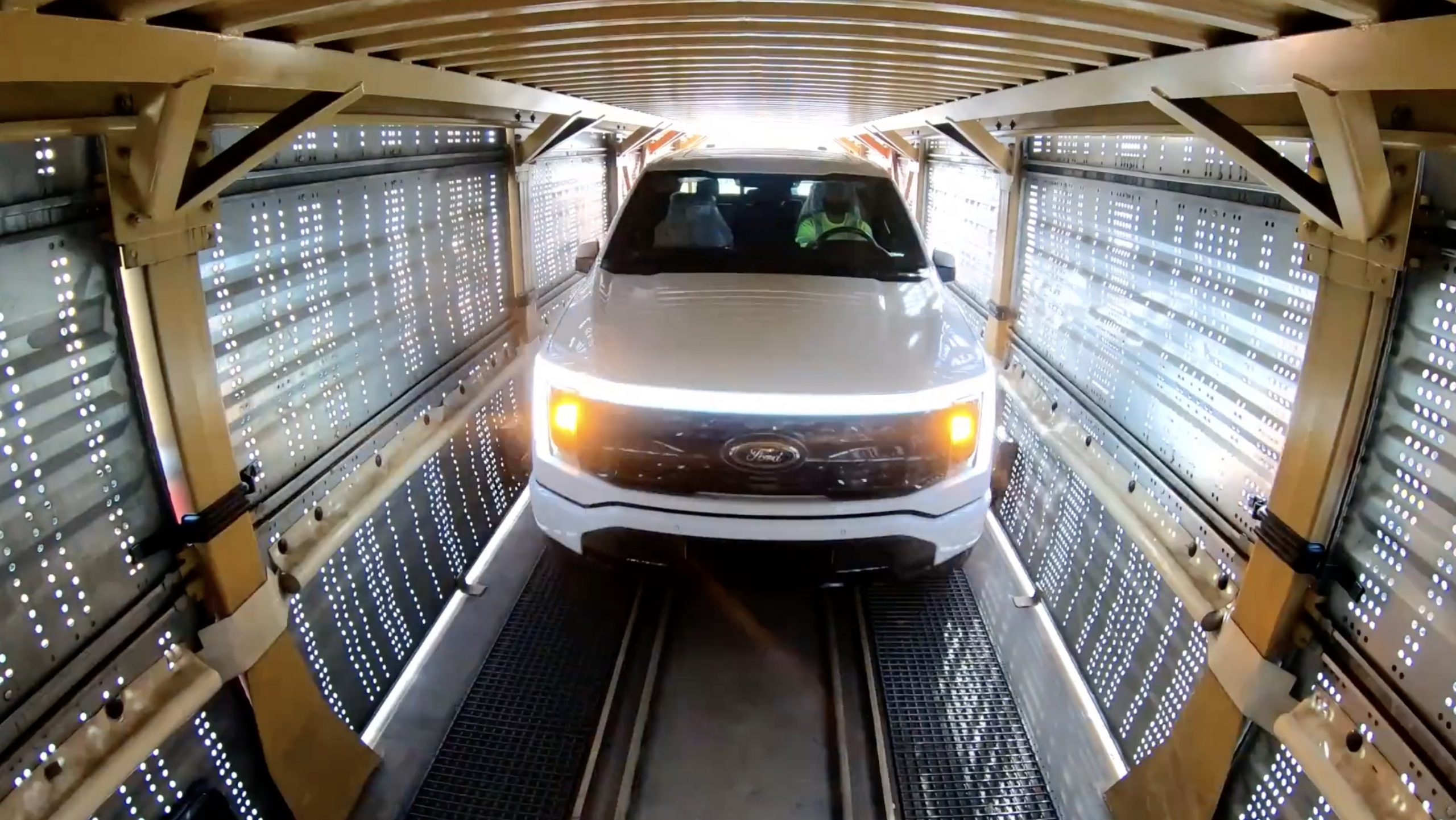
Ford F-150 Lightning Wait Times for XLT Trim Shrink
Tesla Giga Texas Receives New Giga Press

Tesla Celebrates a Seventy Five Thousand Supercharger Milestone