
Types
Brands
- Acura
- Afeela
- Alfa Romeo
- Alligator
- Apollo Automobil
- Aprilia
- Arch
- Arctic Cat
- Aston Martin
- Audi
- Bentley
- BMW
- Bollinger
- Boss Hoss
- Buell
- Bugatti
- Buick
- Cadillac
- CanAm
- Caterham
- Chevrolet
- Chrysler
- Citroen
- Cleveland CycleWerks
- Curtiss
- Dacia
- Dodge
- Ducati
- Ferrari
- Fiat
- Fisker
- Ford
- General Motors
- Genesis
- GMC
- Harley Davidson
- Honda
- Husqvarna
- Hyundai
- Indian
- Ineos
- Infiniti
- Jaguar
- Janus
- Jeep
- Karma
- Kawasaki
- Kia
- Koenigsegg
- KTM
- Lamborghini
- Land Rover
- Lexus
- Lightning
- Lincoln
- Lordstown
- Lotus
- Lucid Motors
- Maserati
- Mazda
- McLaren
- Mercedes
- Mercury
- MG
- Mini Cooper
- Mitsubishi
- Moto Guzzi
- MTT
- Nikola
- NIO
- Nissan
- Pagani
- Peugeot
- Piaggio
- Polaris
- Polestar
- Pontiac
- Porsche
- Ram
- Renault
- Rimac
- Rivian
- Rokon
- RollsRoyce
- Royal Enfield
- Saab
- Saturn
- Scion
- SEAT
- Ski-Doo
- Skoda
- Smart
- Spyker
- Subaru
- Suzuki
- Tesla
- Toyota
- Triumph
- Vauxhall
- Vespa
- VinFast
- Volkswagen
- Volvo
- Yamaha
- Z Electric Vehicle
- Zero Motorcycles
Article Categories
- Acura News
- Alfa Romeo News
- Aston Martin News
- Audi News
- Bentley News
- BMW News
- Buick News
- Cadillac News
- Car News
- Chevrolet News
- Chrysler News
- Dodge News
- Fiat News
- Ford News
- GMC News
- Honda News
- Hyundai News
- Infiniti News
- Jaguar News
- Jeep News
- Kia News
- Lexus News
- Lincoln News
- Mazda News
- Mercedes News
- Nissan News
- Porsche News
- Subaru News
- Tesla News
- Tips and Tricks
- Toyota News
- Volkswagen News
- Volvo News
More Articles
How do I diagnose a check engine light?
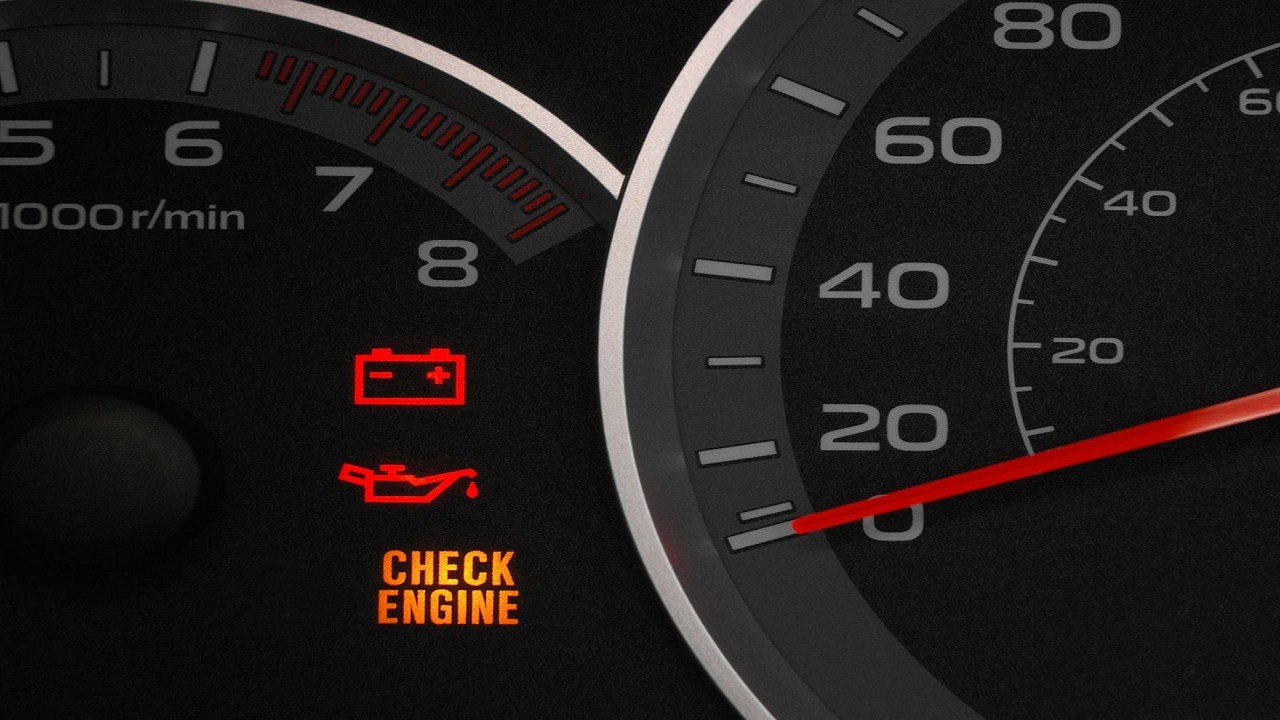
Diagnosing a check engine light can be done using a few steps to help identify the underlying issue. The check engine light, also known as the malfunction indicator lamp (MIL), illuminates on your vehicle's dashboard to indicate that the engine's computer has detected a problem with the engine or emissions system. Here's a step-by-step guide to diagnose a check engine light:
1. Check for Immediate Issues:
If the check engine light is flashing, it indicates a severe issue that requires immediate attention. In such cases, it's recommended to pull over safely and have the vehicle towed to a qualified mechanic to prevent further damage.
2. Check Fuel Cap:
Sometimes, a loose or improperly sealed fuel cap can trigger the check engine light. Make sure the fuel cap is properly tightened and secured. After tightening the cap, the check engine light may turn off after a few driving cycles.
3. Check the OBD-II Code:
The check engine light is triggered when the vehicle's onboard diagnostic (OBD-II) system detects a fault. To identify the specific issue, you'll need an OBD-II scanner or code reader. Many auto parts stores offer free code scanning services.
4. Interpret the Trouble Code:
Once you have the trouble code(s), look up the specific codes in the vehicle's service manual or search online to find the potential cause(s) of the problem. OBD-II codes are alphanumeric and typically start with "P" (e.g., P0420, P0301, etc.).
5. Perform Basic Visual Inspection:
Inspect the engine bay for any obvious signs of issues, such as disconnected or damaged hoses, wires, or loose connectors.
6. Address Basic Maintenance:
Ensure that basic maintenance items, such as oil change, air filter replacement, and spark plug replacement, are up to date, as these can sometimes trigger the check engine light.
7. Consult a Mechanic:
If you cannot identify or address the issue yourself, it's best to take your vehicle to a qualified mechanic or dealership for a proper diagnosis and repair.
Remember that while diagnosing the check engine light can provide useful information, it's not a substitute for a professional mechanic's expertise. A qualified technician can use advanced diagnostic tools and experience to accurately pinpoint and fix the problem with your vehicle. Ignoring a check engine light could lead to more significant issues and potentially costly repairs if not addressed promptly.
Diagnosing a check engine light can be done using a few steps to help identify the underlying issue. The check engine light, also known as the malfunction indicator lamp (MIL), illuminates on your vehicle's dashboard to indicate that the engine's computer has detected a problem with the engine or emissions system. Here's a step-by-step guide to diagnose a check engine light:
1. Check for Immediate Issues:
If the check engine light is flashing, it indicates a severe issue that requires immediate attention. In such cases, it's recommended to pull over safely and have the vehicle towed to a qualified mechanic to prevent further damage.
2. Check Fuel Cap:
Sometimes, a loose or improperly sealed fuel cap can trigger the check engine light. Make sure the fuel cap is properly tightened and secured. After tightening the cap, the check engine light may turn off after a few driving cycles.
3. Check the OBD-II Code:
The check engine light is triggered when the vehicle's onboard diagnostic (OBD-II) system detects a fault. To identify the specific issue, you'll need an OBD-II scanner or code reader. Many auto parts stores offer free code scanning services.
4. Interpret the Trouble Code:
Once you have the trouble code(s), look up the specific codes in the vehicle's service manual or search online to find the potential cause(s) of the problem. OBD-II codes are alphanumeric and typically start with "P" (e.g., P0420, P0301, etc.).
5. Perform Basic Visual Inspection:
Inspect the engine bay for any obvious signs of issues, such as disconnected or damaged hoses, wires, or loose connectors.
6. Address Basic Maintenance:
Ensure that basic maintenance items, such as oil change, air filter replacement, and spark plug replacement, are up to date, as these can sometimes trigger the check engine light.
7. Consult a Mechanic:
If you cannot identify or address the issue yourself, it's best to take your vehicle to a qualified mechanic or dealership for a proper diagnosis and repair.
Remember that while diagnosing the check engine light can provide useful information, it's not a substitute for a professional mechanic's expertise. A qualified technician can use advanced diagnostic tools and experience to accurately pinpoint and fix the problem with your vehicle. Ignoring a check engine light could lead to more significant issues and potentially costly repairs if not addressed promptly.
Rivian Demo Drives Will Be Available in Austin Next Week

Fisker Ocean to ramp production to 300 units per day

Tesla Launches New Ultra Red Paint Color For Model S And Model X


Hyundais New Windshield Wipers Could Save Your Life

What happened to the Tesla Roadster?

Tesla Cybertruck appears at Electrify Expo 2023 in Austin

Tesla Flexes Model Y Achievements In Rolling Advertisement

Did This Tesla Driver Catch a Ghost On His Dashcam?
Tesla Drive-in Movie Theater Diner Approved for Construction